

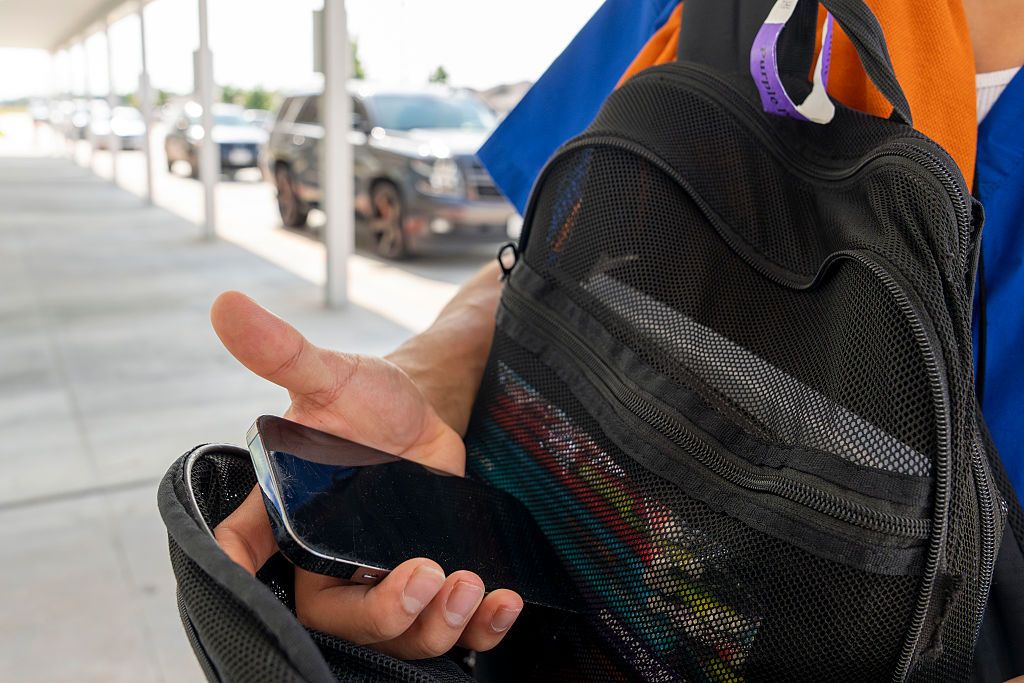
Schools that have limited or banned students’ access to cell phones report clearer classrooms, sharper focus, and fewer behavior problems, offering a straightforward way to improve learning conditions for both students and teachers.
Classrooms with strict phone rules are seeing real changes in day-to-day school life, from calmer transitions between lessons to more consistent student attention. Teachers describe fewer interruptions and less time spent policing screens, which frees them to teach and interact with students instead of managing devices. This shift affects school culture in small but steady ways that add up over a semester.
“It turns out the solution to a widespread problem was simple.” That line has circulated because it captures how unexpectedly effective a basic policy can be when enforced fairly. When phones are out of sight, students are more likely to engage with class material, and the normal rhythm of instruction—questions, discussion, group work—flows without constant digital interference. The policy doesn’t fix every issue, but it removes a major, avoidable distraction that used to eat into instructional time.
On the academic side, teachers report stronger participation during lessons and fewer requests to repeat instructions because students were looking at screens. Administrative data from districts that have tracked the change show improvements in classroom behavior metrics and steadier attention during assessments, though results vary by grade and local context. In practical terms, fewer digital interruptions mean lessons stick and pacing stays on track, which benefits students who need predictability to learn.
For staff, the ban cuts down on time spent on discipline, allowing a shift from reactive management to proactive teaching. Educators say classrooms feel fairer when everyone follows the same rule, and that consistency helps reduce arguments over who can or cannot use a phone. The reduction in screen-based distractions also shortens the gap between teachers’ expectations and students’ behavior, making classroom management less of a daily tug-of-war.
Implementation looks different across schools, but common approaches include collecting phones at the start of the day, designated storage during class, or limited-use windows for specific learning tasks. Success depends on clear communication, consistent enforcement, and alternatives for students who need devices for medical or safety reasons. Where administrators partner with teachers and parents, the policy tends to stick and produce the kind of predictable learning environment educators want.
Parents and guardians react in various ways—some worry about access in emergencies, while others welcome a break from constant connectivity during school hours. Schools that address those concerns with practical solutions, like an accessible front desk phone or teacher-monitored exceptions, reduce pushback and build trust. Over time, communities that support the rules often notice improved classroom tone without sacrificing essential safety or communication needs.
Beyond day-to-day teaching, a sustained reduction in phone use creates quieter hallways, fewer off-task behaviors during study periods, and clearer norms about when screens belong in learning spaces. Students can practice sustained attention more often, and teachers get back hours of instructional time that used to evaporate into device management. Those cumulative gains give a plausible path toward restoring focus in classrooms without complicated interventions or heavy-handed technology bans.

