

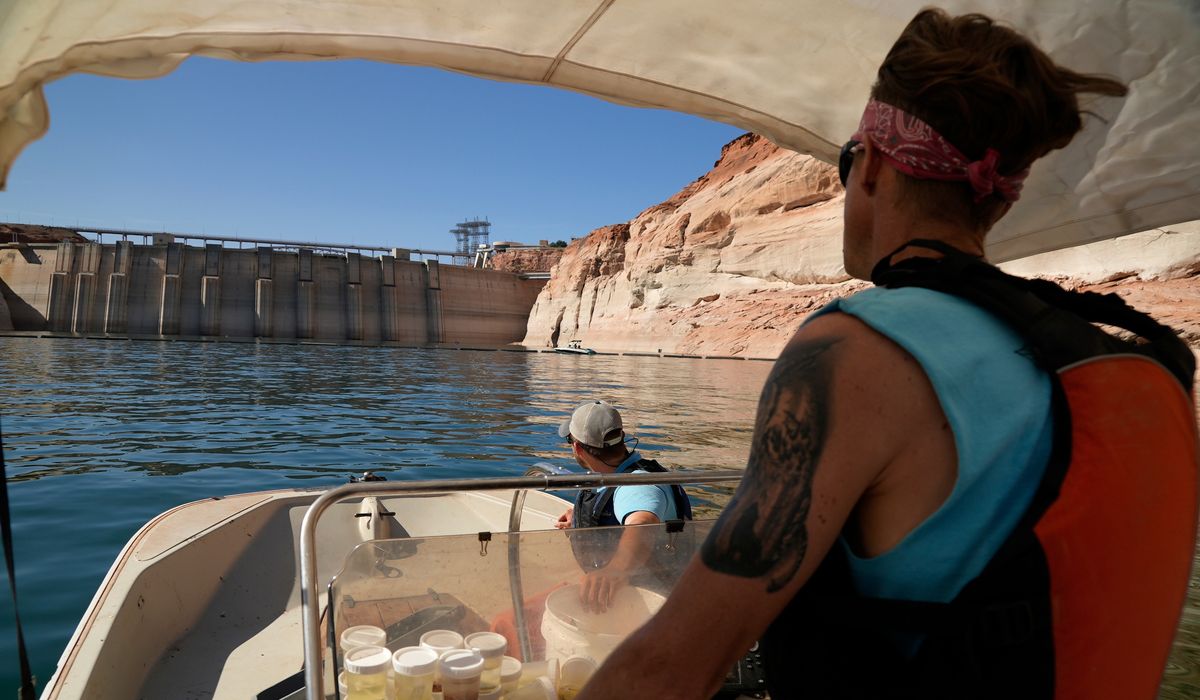
The battle over a single dam in northern Arizona has become a flashpoint where rising electricity costs collide with efforts to keep alive one of the Colorado River’s last native fish, and decisions about releases, power generation, and water temperature are shaping both homes’ bills and a fragile ecosystem.
At the heart of this standoff is a dam whose operations affect the flow and temperature of downstream water, and those choices ripple through communities, power grids, and wildlife habitat. Managers face the tradeoff between producing hydropower to keep electricity affordable and adjusting releases to protect a species that survives in shrinking cold-water refuges. The issue has drawn attention from local residents, conservation groups, water managers, and regulators who all want different outcomes.
Hydropower from the dam helps stabilize rates by supplying predictable electricity during peak demand, but protecting the native fish often requires altering release patterns or keeping colder water stored rather than generating power. Those conservation-driven changes can mean less generation and higher costs passed along to ratepayers at a time when affordability is already strained. Conversations about fairness and responsibility are turning technical reservoir management into a pressing public concern.
Environmental advocates argue that without strategic changes to how water is released, the fish faces an ever-greater risk of local extinction as warm summers and lower river flows shrink its habitat. They point to the downstream sections that depend on cold, steady flows to maintain the life cycle of long-established native species. For them, the dam’s operation is not just about electricity; it is about preserving a living link to the river’s original ecology.
Utility managers and some elected officials counter that sudden shifts in hydropower policy threaten household budgets and economic stability in the region. When generation drops, utilities often rely on costlier alternatives to fill the gap, which can lead to noticeable bill increases for families and businesses. Their stance emphasizes reliability and predictable rates while seeking ways to avoid disrupting power supply during critical periods.
Technically, the tradeoffs come down to timing and temperature: drawing colder water from deep storage can help fish but reduces the head and volume available for turbines, while releasing warmer surface water maintains output but harms cold-water species. Reservoir operations are also constrained by legal water allocations, downstream commitments, and changing hydrology driven by a hotter, drier climate. Those constraints make any solution complex and politically charged.
Tribal nations and local communities have raised their own concerns, highlighting cultural ties to the river and historical stewardship roles that predate modern dams. For many, the river’s health is tied to food sources, traditions, and local economies, so decisions made at the dam carry spiritual and practical weight. These voices have helped elevate the moral dimensions of operational choices alongside the technical and financial ones.
Scientists working on the ground recommend adaptive management approaches: targeted cold-water releases during spawning windows, habitat restoration downstream, and improving tributary flows where possible to create refuges. Such measures can be tailored to reduce harm while trying to limit impacts on power production, but they require coordination, monitoring, and funding. Implementing adaptive plans often leads to negotiations over who pays and how success will be measured.
Policymakers are being pushed to find middle ground through regulatory tweaks, funding for mitigation projects, and incentives for conservation-minded operations. Proposals on the table range from compensating utilities for lost generation to investing in infrastructure that provides both fish habitat improvements and flexible power management. Any policy shifts will need to balance short-term budget pain against long-term ecological and community resilience.
As water levels and temperatures continue to reflect broader climate trends, this dispute over a single dam has become emblematic of the larger choices facing river basins across the West. The decisions made in northern Arizona could set precedents for how other reservoirs manage the tug-of-war between energy affordability and native species survival. Those who sit at the negotiating table know the stakes: every cubic foot of water and every kilowatt-hour generated has consequences for people and the river’s original inhabitants.

