

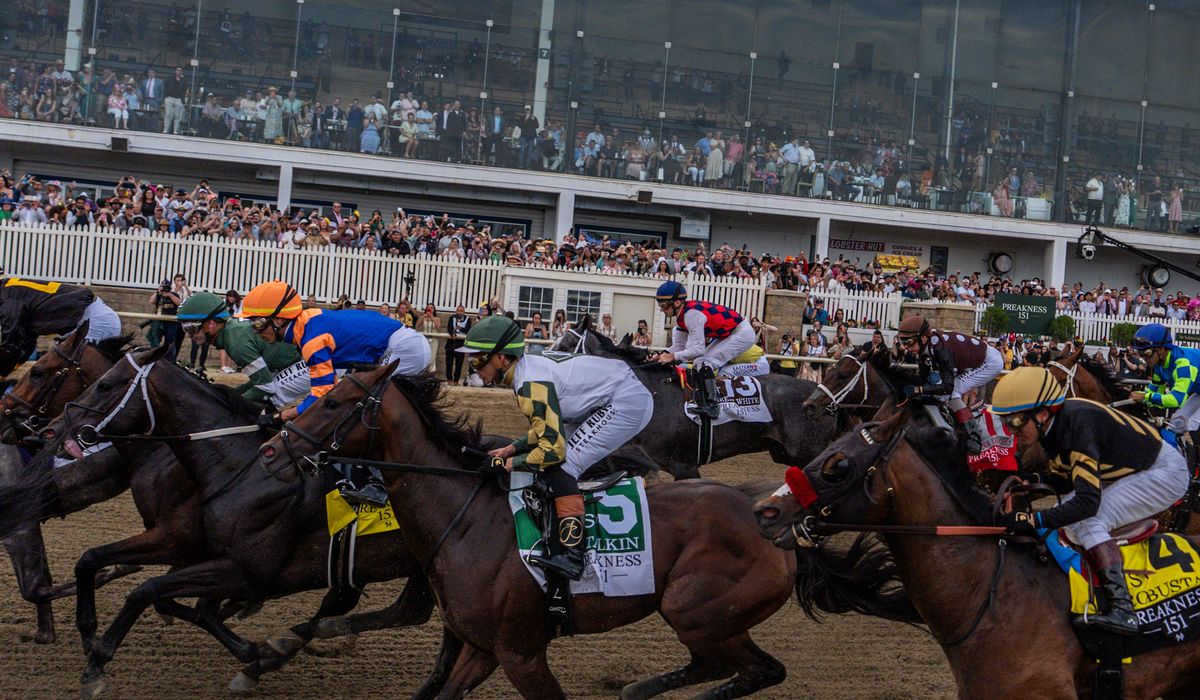
A sweeping restructuring of major American horse racing threatens to push Pimlico off the map and reshape how marquee races like the Preakness Stakes fit into a new championship circuit.
“A new six-race horse championship that excludes Baltimore’s Pimlico Race Course could mean the end of the Preakness Stakes as a premium sporting event.” That plain statement captures the core shock: a long-standing centerpiece of the Triple Crown system may be sidelined by a redesigned calendar. The ripple effects touch local economies, the sport’s traditions, and the business deals that underpin modern racing.
Preakness has been a defining moment for three-year-olds and for Baltimore’s annual sports calendar, delivering national attention and a weekend economy that depends on fans, media, and hospitality. Losing a premium slot or being removed from the highest-profile championship package would strip the event of much of its marketing heft. That matters because prestige drives sponsorships, TV deals, and big purses that attract elite owners and trainers.
Tracks and racing bodies are rethinking how to package top races to maximize broadcast value and stable participation, and that push favors venues with bigger capacity, newer facilities, or more lucrative local deals. Pimlico, sitting in an older urban footprint, faces an uphill climb to match those commercial metrics without heavy investment. Upgrades require capital and political will, and the championship model rewards venues that can quickly deliver big audiences and predictable logistics.
The economic impact on Baltimore could be significant. Beyond gate receipts, the Preakness pumps money into hotels, restaurants, bars, and retail, and it offers seasonal jobs that small businesses count on. If the race loses premium billing, those short-term benefits could shrink or shift elsewhere. Local officials and business owners will be watching every announcement for signs of what the championship means for downtown commerce.
Participants in the racing world see different incentives at play: owners and trainers want consistent, lucrative paths to a championship that justify travel and prep races, while broadcasters and sponsors chase ratings and stable schedules. A six-race championship is built to concentrate attention and money, and that concentration can squeeze out events that sit outside the most marketable package. The result is fewer marquee dates and greater pressure on smaller or older tracks to reinvent their value propositions.
There’s also an institutional angle. Racing regulators, track operators, and national organizers face tough choices about tradition versus modernization, and their decisions will shape where major stakes land. Negotiations over purse splits, date assignments, and broadcast windows are already high-stakes bargaining. Those behind the scenes will push to secure predictable returns, and venues without bargaining chips risk being reprioritized.
The community that surrounds Pimlico has another asset: tradition and identity. The Preakness is linked to rituals, tailgating culture, and a fan base that prizes the race’s history. That cultural capital can be leveraged to make a case for retaining status, but it has limits when measured against TV contracts and national sponsorships that chase scale. Preserving the race’s aura will likely require creative partnerships, targeted investments, and a persuasive business case.
Practically speaking, timelines matter. If the championship rollout follows a tight schedule, decisions about which tracks make the cut will lock in marketing and broadcast plans well ahead of race day. That compresses the window for negotiations and for any public or private funding to alter a venue’s competitiveness. For fans and local stakeholders, that means uncertain months as the industry finalizes its championship map.
The stakes are clear: redefining the horse racing calendar reshuffles money, attention, and legacy across the country. Baltimore’s loss would be someone else’s gain, and that zero-sum pressure will determine who benefits from the new six-race framework. Observers and participants will be parsing each move, because the next contract, renovation plan, or scheduling tweak could decide whether Pimlico remains center stage or becomes a footnote in a retooled sport.

