

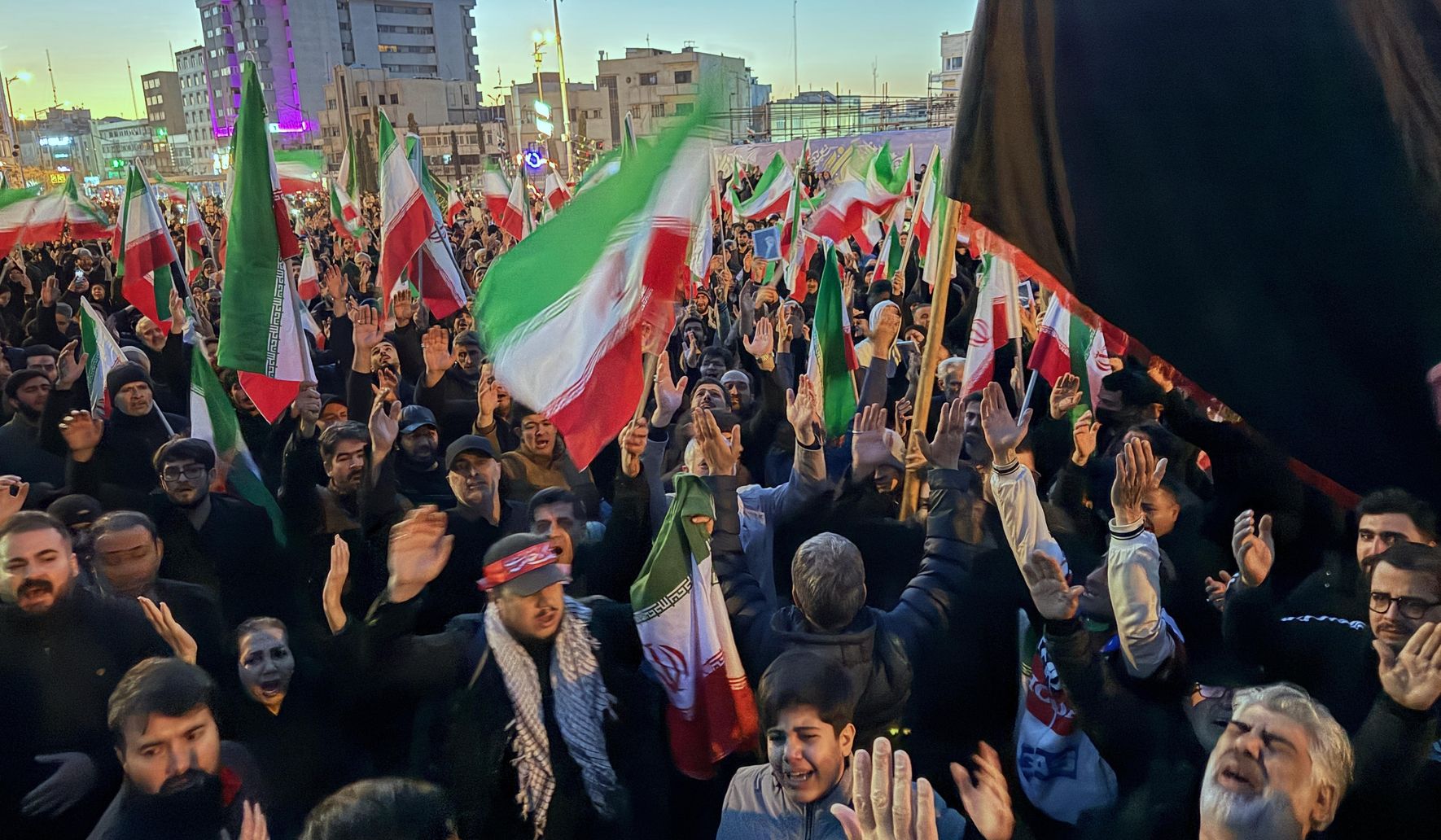
State media in Iran announced early Monday that Mojtaba Khamenei, a son of slain Supreme Leader Ayatollah Ali Khamenei, has been named his father’s successor, a move that reshapes Tehran’s internal balance of power and raises questions about regional stability.
Iranian state outlets reported the succession news with little delay, presenting the decision as settled and final. The announcement names Mojtaba Khamenei as the new supreme leader, repeating a pattern seen in authoritarian systems where power stays within a ruling circle. For outside observers, the speed and formality of the declaration underscore how tightly controlled Iran’s political messaging is.
Mojtaba’s elevation will be read differently inside Iran than it will be abroad. Inside the country, clerical institutions and security networks that have long managed succession calculations will now have a clear figure on whom to rally. From the outside, particularly in Western capitals, this looks like dynastic consolidation more than a transparent transfer of authority.
Viewed through a Republican perspective, the nomination highlights the enduring problem of closed political systems that substitute family ties for legitimacy. When leadership flows through lineage rather than open contest, it diminishes accountability and narrows space for reform. That matters not just as an abstract principle but in how Tehran conducts policy on issues important to U.S. interests.
The regional picture shifts immediately. A new supreme leader with a strong personal stake in maintaining the regime’s continuity is likely to double down on existing strategies rather than moderate them. American allies in the region will read this as a signal that Tehran intends to preserve its networks of influence, projection, and deterrence rather than seek accommodation.
There are also institutional realities to consider. Iran’s political order rests on a mix of clerical authority, security services, and party-like factions that have long jockeyed for influence. Naming a clear successor reduces short-term infighting but also concentrates power in a way that makes abrupt policy changes less likely and hardline continuity more probable.
Internally, different groups within Iran will react based on how the move affects their standing. Hardliners who prioritize regime survival and regional projection will welcome a decisive handover. Reformers and anyone pressing for political openings will face a steeper uphill struggle if governance becomes more centralized under the new leader.
From a policy standpoint, Washington needs to recalibrate expectations. A succession framed as a family succession signals fewer incentives for Tehran to change course on nuclear posture, support for proxies, or pressure on Gulf neighbors. Republican policymakers will view this as a cue to strengthen deterrence, support partners, and keep diplomatic options focused on concrete, verifiable changes.
The human dimension matters too. For Iranians weary of economic strain and political repression, who has real power affects daily life. When leadership transitions in opaque ways, it becomes harder for citizens to hold rulers accountable or to forecast how policy decisions will influence sanctions relief, economic reform, or civil liberties.
Finally, this succession will shape how outside governments interact with Iran for years to come. A leadership change that looks inward-looking and security-focused suggests a Tehran prepared to defend its core interests aggressively. That reality narrows the window for meaningful negotiations unless Iran demonstrates clear shifts in behavior that can be independently verified.

