

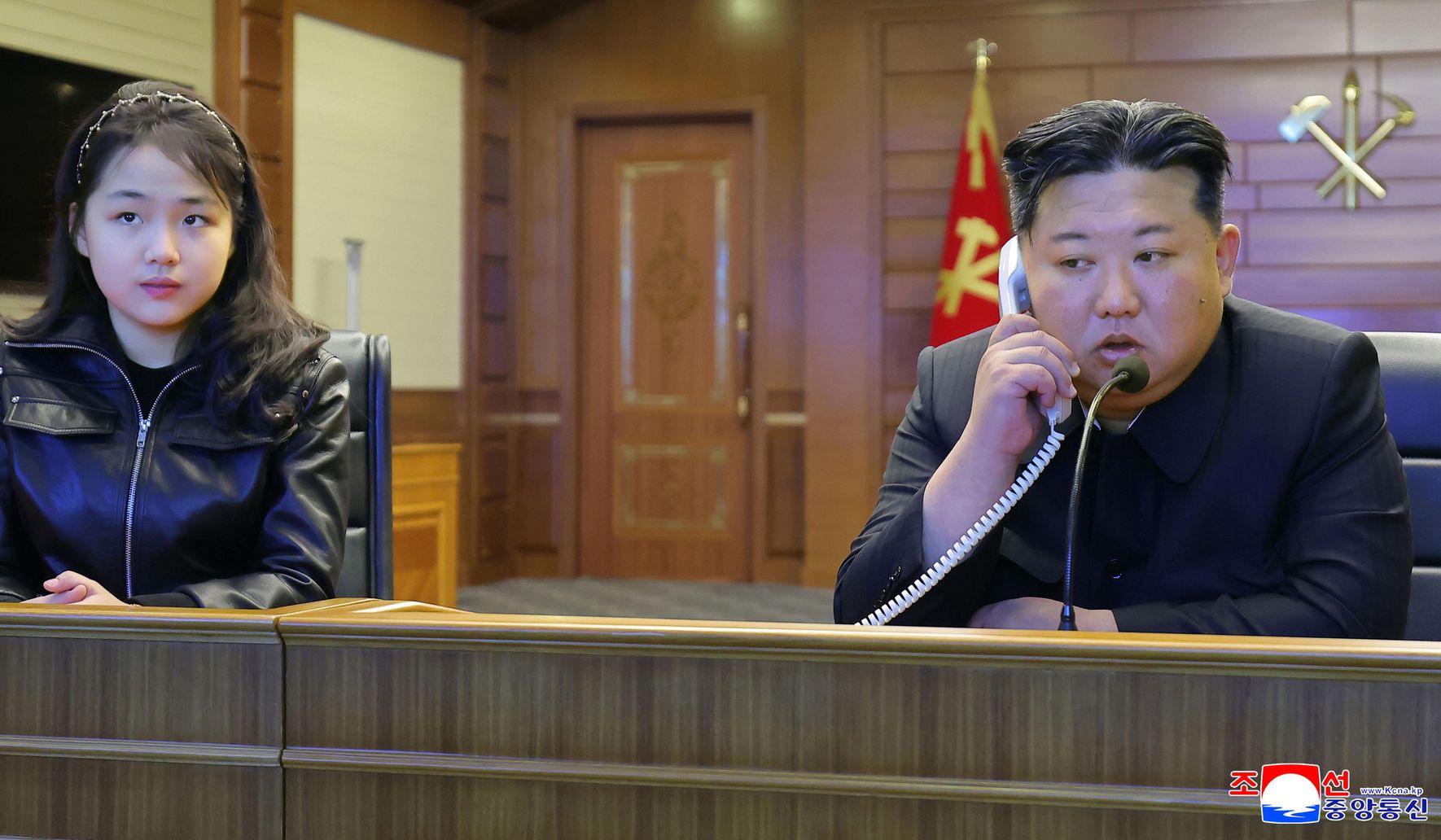
North Korean leader Kim Jong Un was photographed firing a pistol alongside his teenage daughter during an inspection of a light munitions factory, with state media presenting the moment as part of efforts to modernize conventional forces.
State media released photos showing Kim Jong Un and his teenage daughter firing pistols during an inspection of a light munitions factory. The images were framed as evidence that Pyongyang is pushing to modernize its conventional weapons and industry. The presence of his daughter alongside him adds a family-front image to a clearly political display.
The pistols in the pictures are a striking image, meant to send a message both inside and outside North Korea. For a regime that tightly controls imagery, these staged moments are designed to show resolve and continuity. That messaging matters because it shapes how neighbors and rivals read Pyongyang’s intentions.
Putting a young family member in a military setting is a deliberate choice by the regime to project unity and succession planning. It ties personal loyalty to national defense in a way that domestic audiences are meant to accept without question. International observers, however, see it as part of a broader propaganda effort tied to military modernization.
Kim’s inspection took place at a facility described as specializing in light munitions, a category meant for frontline units and local defense forces. Upgrading conventional arms, even small-caliber weapons and related manufacturing, can improve battlefield effectiveness without the dramatic headlines missiles produce. That incremental improvement still changes the tactical balance in the region.
From a Republican viewpoint this image should be a reminder that adversaries keep moving and adapting, often out of view of U.S. voters. North Korea’s focus on modernizing conventional capabilities is not only about missiles and nukes. It is also about making ground forces more lethal and more sustainable over time.
U.S. policy needs to treat these developments as part of a broader threat picture, not as isolated stunts. A strong deterrent posture, close cooperation with allies, and clear consequences for aggression remain essential. Weak reactions or cutbacks only invite further testing of limits.
The optics of a leader firing a pistol with a daughter at his side also underscore how leaders use family images to shore up support. In tightly controlled systems, such displays serve multiple purposes: legitimizing the leader, intimidating opponents, and signaling continuity to the military. For outside governments, saying these photos are merely propaganda misses the operational point that improvements in munitions matter tactically.
Regional neighbors watch these moves closely because even small upgrades can be integrated into larger force plans. Conventional modernization can support asymmetric strategies that complicate defense planning for South Korea and Japan. That reality pushes allies to reconsider readiness and cooperation on closer timelines.
Those in Washington who favor a robust defense budget and stronger posture will see this as justification for staying prepared. Investment in conventional capabilities and missile defenses is not optional if deterrence is to hold. The images from Pyongyang are a blunt reminder that complacency has consequences.
The photos do not exist in a vacuum; they reflect a continuous stream of messaging aimed at multiple audiences. Whether the intent is domestic reassurance or international signaling, the practical effect is the same: North Korea is reminding the region it remains focused on upgrading its forces. Policymakers should read the pictures for what they are and respond accordingly without giving credit to the propaganda value of the display.

