

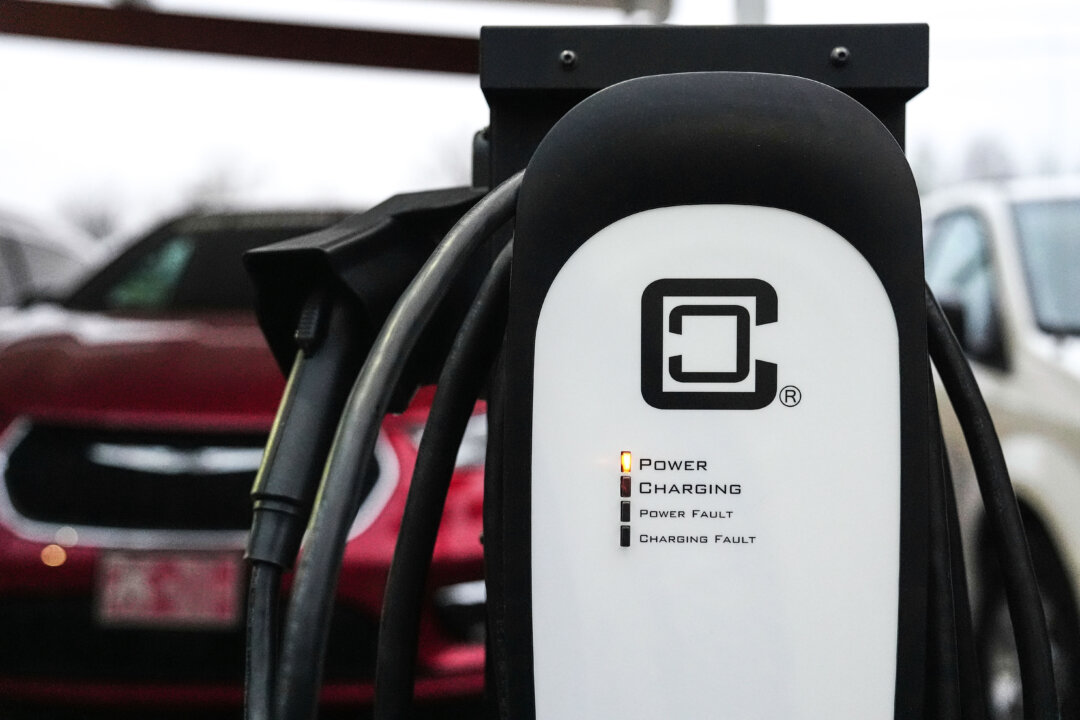
A group of 16 states, along with the District of Columbia, has filed a lawsuit against the Trump administration. They claim it is unlawfully withholding billions in funding meant for electric vehicle (EV) charging stations. This lawsuit, announced on April 7, has been spearheaded by attorneys general from California, Colorado, and Washington, and was brought to the District Court for the Western District of Washington.
The funds in question amount to $5 billion, originally set aside under the National Electric Vehicle Infrastructure (NEVI) Formula Program in 2022. This program was created through the Infrastructure Investment and Jobs Act, also known as the Bipartisan Infrastructure Law. The goal was to support a nationwide push for net-zero emissions by 2050, including the installation of 500,000 publicly accessible EV chargers by the end of the decade.
Congress had stipulated that these funds be distributed among the states from 2022 to 2026. Out of the $5 billion, about $3.3 billion has already been made available, as stated in the lawsuit. However, things took a turn when President Donald Trump, shortly after taking office, issued an executive order titled “Unleashing American Energy.”
Trump’s order directed federal agencies to pause all funds appropriated via the Infrastructure Law, including those for the NEVI program. The order claimed that America has an abundance of energy and natural resources, which have historically powered its economy. However, it also stated that burdensome regulations have hindered resource development, limited electricity generation, reduced job creation, and increased energy costs.
Following this directive, the Federal Highway Administration (FHWA) suspended the commitment of funds under the NEVI program. They also rescinded approval of state plans, pending a review. The lawsuit contends that the FHWA lacks the authority to halt the funding and argues that its actions violate several legal principles, including the Administrative Procedure Act (APA) and the Separation of Powers Doctrine.
The states involved in the lawsuit argue that the infrastructure supported by the funding is critical to their environmental, public health, and transportation initiatives. The legal action seeks to have Trump’s directives declared unlawful and to prevent the administration from withholding the funds. California Governor Gavin Newsom and Attorney General Rob Bonta have voiced concerns about the impact on state programs.
Newsom and Bonta claim the administration’s actions will damage EV infrastructure development, hinder climate change efforts, and harm state economies. They also criticized the decision as a gift to China, suggesting it undermines American innovation and job creation. The lawsuit has been joined by attorneys general from several other states, including Arizona, Delaware, and New York.
The Department of Transportation, along with Transportation Secretary Sean Duffy and Federal Highway Administration Administrator Gloria Shepherd, is named as defendants in the case. News outlets such as Fox News and Newsmax have highlighted the tension between federal directives and state objectives in this ongoing dispute. The outcome of this lawsuit could have significant implications for EV infrastructure and energy policy in the United States.
In the lawsuit, the states argue that the federal government’s actions contradict the intentions of Congress, which actively supported the NEVI Formula Program for environmental and economic reasons. They warn that the harms caused by withholding these funds will worsen if not addressed. The states are pressing the court to vacate the administration’s actions and ensure the funds are distributed as intended.
This legal battle reflects broader debates over federal versus state control in energy policy and infrastructure development. The case underscores the complexities of navigating legal frameworks while advancing technological and environmental goals. It remains to be seen how the courts will interpret the balance between executive orders and legislative mandates in this context.
The lawsuit stands as a testament to the ongoing struggle between different levels of government over energy and environmental policy in the modern era. The plaintiffs are determined to see the Trump administration’s actions reversed, emphasizing the importance of adhering to legislative decisions. As the legal proceedings unfold, stakeholders on all sides will be closely watching for any developments that may reshape the landscape of EV infrastructure in America.

