

Supreme Court pauses Trump’s bid to remove Fed governor Lisa Cook
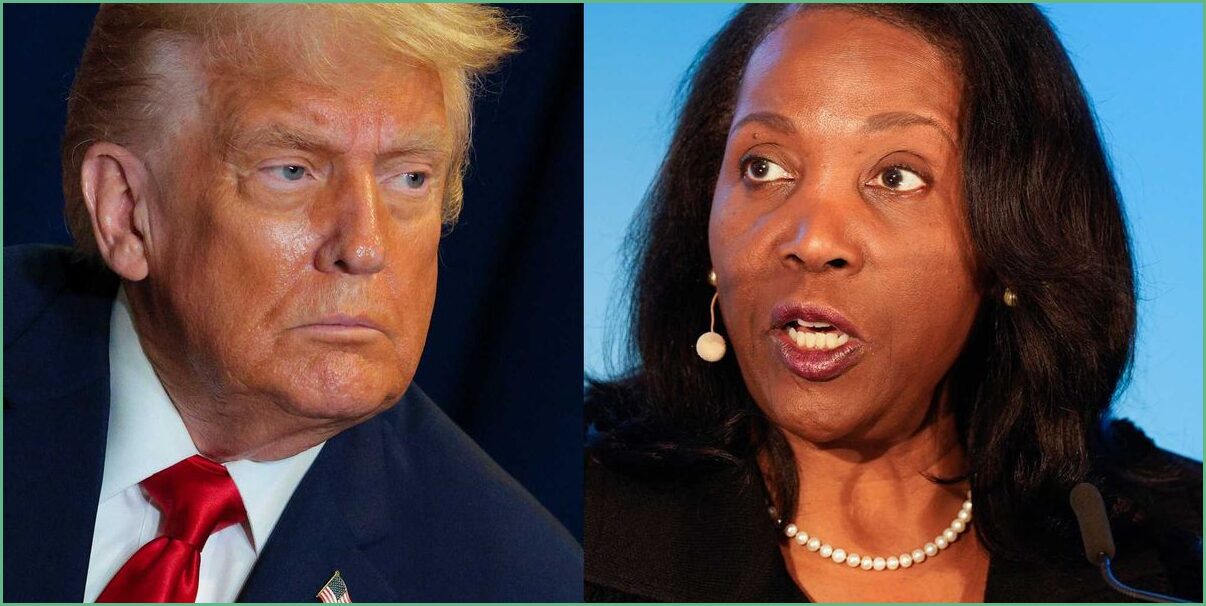
The Supreme Court has put a temporary hold on President Trump’s emergency effort to remove Federal Reserve Governor Lisa Cook and will take up the dispute in January. The court declined the emergency appeal this week and signaled it wants a full argument before making a final call. That buys time for both sides and sets the stage for a high-stakes winter showdown over presidential authority and accountability at the Fed.
Mr. Trump asked the court to let him fire Cook over serious allegations tied to mortgage paperwork, allegations she has denied in full. The emergency request was denied, meaning Cook remains on the Fed for now while the justices prepare to hear the case. Conservatives see this as a procedural pause, not a judgment on the substance of the accusations or presidential authority.
‘I tried being nice to the guy. It doesn’t help. He’s a knucklehead. Stupid guy.’
The Supreme Court offered no public explanation with the administrative denial and did not release any dissents or notes at the moment. That silence leaves both legal teams and the public guessing about the court’s current thinking. Expect vigorous briefing and intense focus when oral arguments arrive early next year.
“President Trump lawfully removed Lisa Cook for cause from the Federal Reserve Board of Governors,” said Kush Desai, a spokesperson for the White House. The administration framed the move as a straightforward exercise of removal authority when wrongdoing is alleged. The White House says it will press for a ruling that clarifies a president’s ability to hold public officials accountable for misconduct.
Cook has been accused of lying on mortgage applications for properties she owns in Michigan and Georgia, charges that she has disputed and that have not led to criminal indictments so far. The dispute over factual claims and investigative follow-up is still unfolding, but the allegation itself has major implications. If proven, such behavior would raise obvious questions about fitness for public office and the integrity expected of senior regulators.
“When someone commits mortgage fraud, they undermine the faith and integrity of our System. It does not matter who you are — no one is above the law,” said Federal Housing Finance Agency Director Bill Pulte in August. The FHFA forwarded a criminal referral to the Department of Justice, asking federal prosecutors to follow the facts wherever they lead. That step turned what might have been an internal personnel debate into a matter for law enforcement and the courts.
The president does have the statutory power to remove Fed governors for cause, though that power has never been exercised in the modern history of the Federal Reserve. No president in the Fed’s 112-year history has removed a governor for cause, making this a constitutional and institutional stress test. Republicans argue that precedent is not a legal straitjacket; if a governor breaks the law or lies under oath, the country’s leadership should be able to act.
Opponents of the removal say the accusations are politically motivated and intended to stack the Fed with loyalists who will bend monetary policy to the president’s wishes. That criticism is politically charged and needs to be weighed against the seriousness of the allegations and the evidence supporting them. Courts will have to sort motive from merit and decide whether the president’s claimed reasons meet the “for cause” standard required by law.
Mr. Trump has publicly pressed Federal Reserve Chairman Jerome Powell to lower interest rates, arguing cheaper credit would help homeowners and businesses across the country. Conservatives sympathetic to the president see a pattern: if a governor is accused of fraud, removing that official changes the balance of power at the Fed and could lead to more rate relief. Critics counter that firing officials for policy disagreements would be dangerous and destabilizing for monetary independence.
“I tried being nice to the guy. It doesn’t help. He’s a knucklehead. Stupid guy. He really is,” said Trump about Powell in July. Those blunt words underscore how personal and public this feud has been and why the conflict has landed at the Supreme Court. The president’s tone underscores the political heat that surrounds Fed independence and presidential influence on economic policy.
The Fed recently voted to trim interest rates by 25 basis points and hinted at further cuts, which some say softened the immediate tension with the White House. That action may have temporarily eased temperature in the dispute, but it did not resolve the underlying legal questions about removal standards and alleged misconduct. Another element in the case is identity and representation: Cook is the first Black woman to serve as a Federal Reserve governor, a fact that adds political and cultural weight to the litigation.
From a Republican perspective, this case is about more than one personnel fight — it is about whether presidents can and must hold public servants accountable when credible allegations arise. The GOP argument stresses the rule of law, not raw partisan advantage; if a governor engaged in fraud, removal is a lawful remedy. Courts should carefully parse the facts, respect due process, and clarify the scope of “for cause” so future administrations and officials know the rules of the road.
The January arguments will be a test of the judiciary’s willingness to define the balance between independence and accountability at a crucial economic institution. Expect partisan lines in public debate but firm legal parsing from the bench, since the stakes touch both constitutional separation of powers and everyday financial stability. Whatever the outcome, the case will reshape how presidential oversight of independent agencies is understood for years to come.

