

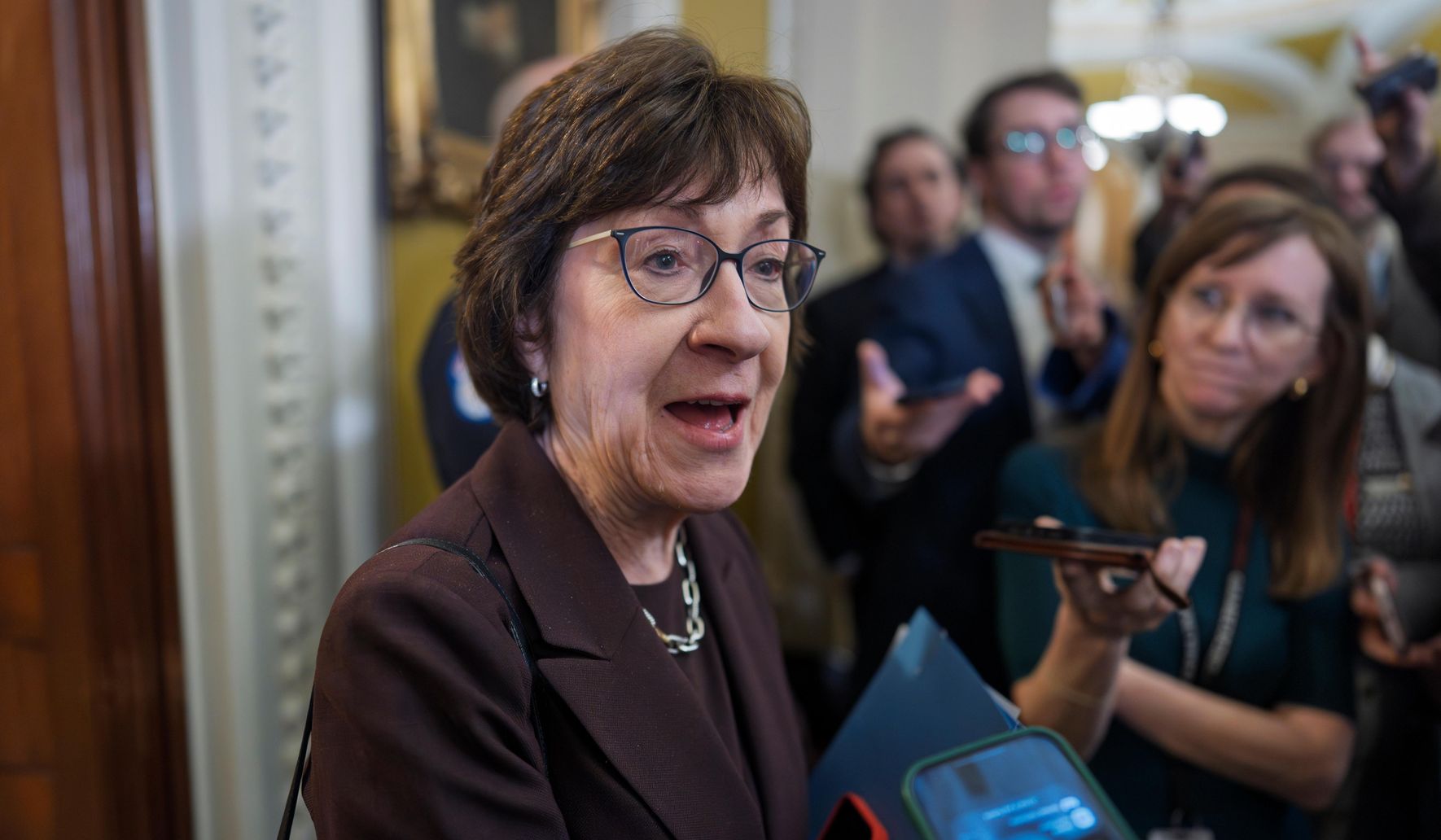
Sen. Susan Collins returned to the small towns near the Canadian border on the first full campaign swing since launching her reelection bid, leaning on long ties to the region and a message of experience and steady leadership in the Senate.
Sen. Susan Collins spent time back where she grew up, visiting communities along the Canadian border to reconnect with voters and neighbors. The trip marked her first substantive campaign swing since she officially opened her reelection effort, and it drew attention to the practical, retail politics that have long defined her style. Locals responded to a familiar face who knows the rhythms and challenges of border life.
Her appearance in those hometown settings underlined a point Republicans like to make: experience matters. Collins emphasized years of public service and the benefits that seniority brings when representing a state with a lot of seasonal businesses, cross-border trade, and rural needs. Voters in the region saw a candidate who can cut through Washington noise and deliver results for Mainers.
The tour wasn’t a glossy media event so much as a hands-on listening session. Collins focused on small meetings, conversations at local storefronts, and stops where constituents could speak freely about jobs, health care access, and infrastructure. That approach let her field specific concerns while reminding voters she is accessible and engaged.
Economic ties to Canada and the seasonal patterns of tourism and trade came up repeatedly during conversations with residents. For communities on the border, policies that affect shipments, customs, and cross-border labor are not abstract; they are daily realities that shape paychecks and local businesses. Collins framed her message around pragmatic solutions rather than party slogans, arguing that steady representation matters for those practical challenges.
Security and infrastructure were also on the agenda, with neighbors pointing to roads, bridges, and services that need attention. Collins has long made constituent services a pillar of her office’s work, helping residents navigate federal agencies and access programs. Her campaign stop reinforced that track record, showing voters how senior senators can use their positions to move things forward for a state with unique geography.
The political rhythm of a first real campaign swing matters, because it sets the tone for messaging and organization. For Collins, it was a chance to return to retail politics and sharpen a clear case for reelection while avoiding the overproduced stops that can feel distant from voters. Those one-on-one exchanges are where details get aired and where trust is built or eroded.
From a Republican perspective, her visit highlighted a core argument for incumbency: continuity and competence in a polarized capital. Supporters see her as a steady hand who can protect local interests without getting lost in national theatrics. That practical appeal plays well in towns where folks care more about ferry schedules and hospital access than headline-grabbing fights.
As the campaign moves forward, Collins’ early swing will be remembered for putting local concerns front and center and for demonstrating the kind of constituent-first campaigning that resonates in Maine’s border communities. She left the trail with conversations still ongoing, voters still weighing choices, and a message centered on experience, accessibility, and results rather than rhetoric.

