

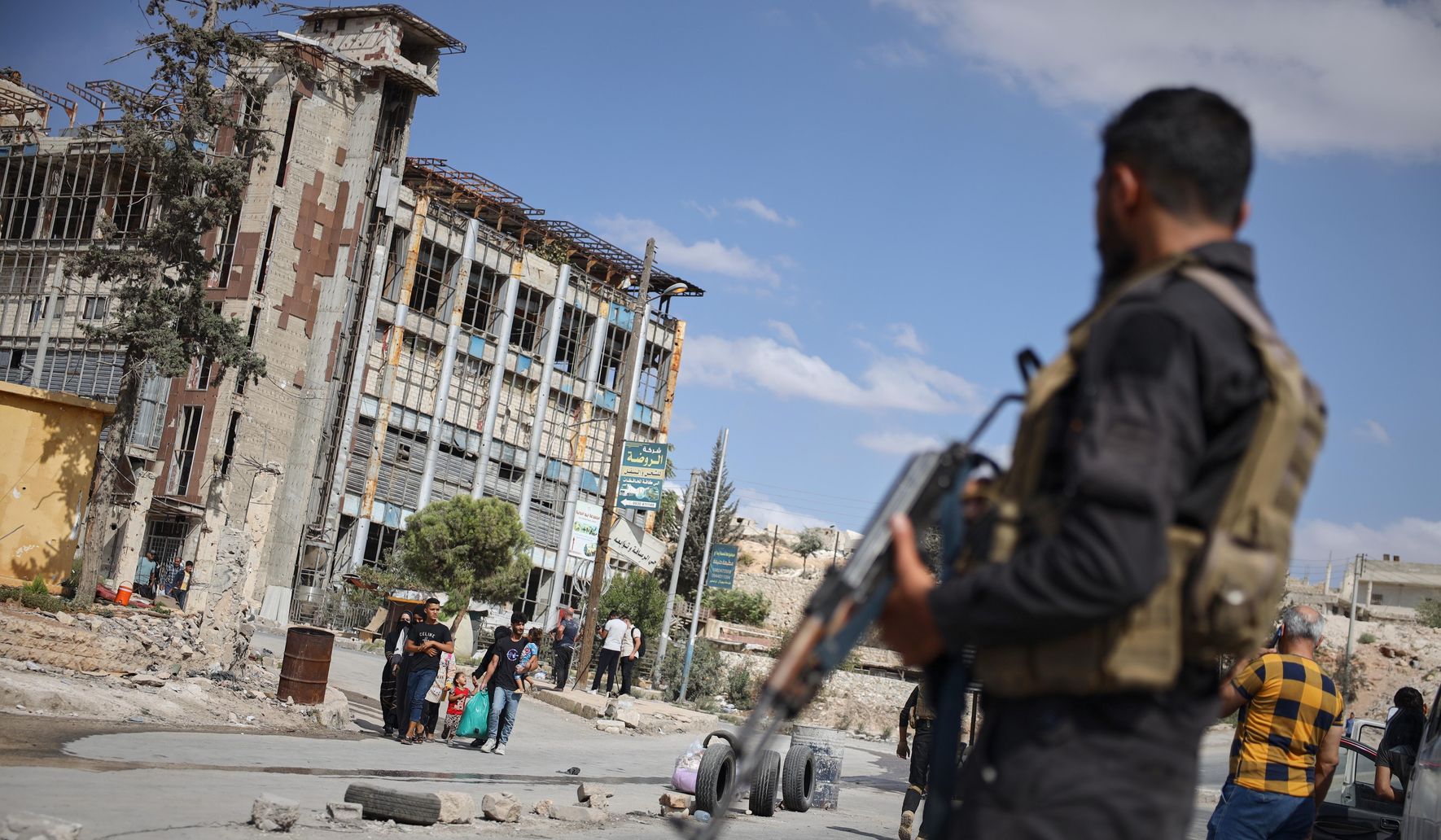
Talks between Damascus and the Kurdish-led Syrian Democratic Forces have stalled, a Syrian government official said Friday, prompting fresh worries about whether the SDF will be folded into Syria and what that means for security and regional influence.
The reported breakdown of negotiations leaves a familiar vacuum that other powers are ready to fill. Moscow and Tehran already hold leverage in Damascus, and any gap in a political settlement gives them room to expand their foothold while the West watches.
From a Republican perspective, that dynamic is alarming because it rewards bad actors and sidelines American interests. We see a pattern: when Washington retreats from clear policy goals, regional rivals step in to redraw the map and secure long-term advantages at our expense.
The Kurdish-led Syrian Democratic Forces control territory and fighters who helped beat back ISIS, but their political future remains uncertain. Integration into Assad’s centralized state has been on the table at various points, yet trust is thin and guarantees are vague, leaving local populations anxious about rights, representation, and security.
Any negotiation that simply reassigns control without safeguards risks worse outcomes than the status quo. If Damascus absorbs SDF areas without power-sharing, those communities could face reprisals, forced conscription, and the loss of hard-won local governance structures that helped keep extremists in check.
There’s also the practical security angle: a failed political settlement makes it easier for ISIS to reconstitute and for militias backed by outside patrons to operate freely. Republicans argue that stability requires more than talks on paper; it requires enforceable arrangements, credible deterrence, and accountability for actors who violate cease-fires or abuse civilians.
Turkey’s stance complicates matters further, because Ankara views an empowered Kurdish administration on its border as an existential threat. That pressure pushes the SDF toward compromises that may not serve local civilians and can produce new lines of conflict between Turkey, Syria, and their outside backers.
Washington’s role is crucial yet ambiguous: limited military presence can deter aggression, but U.S. policy must be clear about objectives and red lines. Republicans typically favor tying any negotiations to measurable outcomes—such as counterterrorism guarantees, protections for minorities, and mechanisms to verify demobilization—rather than vague promises that collapse under pressure.
Humanitarian and reconstruction needs are another piece of the puzzle, because rebuilding will dictate who benefits on the ground. Absent transparent aid channels and reconstruction oversight, resources flow to those aligned with Damascus, Moscow, or Tehran, deepening dependencies that undercut genuine reconciliation.
Diplomacy remains relevant, but it must be backed by leverage that aligns with long-term security goals. From this viewpoint, any settlement should be conditional, enforceable, and tied to a timeline that prevents foreign powers from exploiting a moment of Syrian fragility to entrench their influence.
The stalled talks are not just a local quarrel; they are a test of whether the international community can combine pressure, incentives, and verification to produce a stable outcome. If that balance is missing, the region will continue to drift toward entrenched spheres of influence and recurring instability.

