

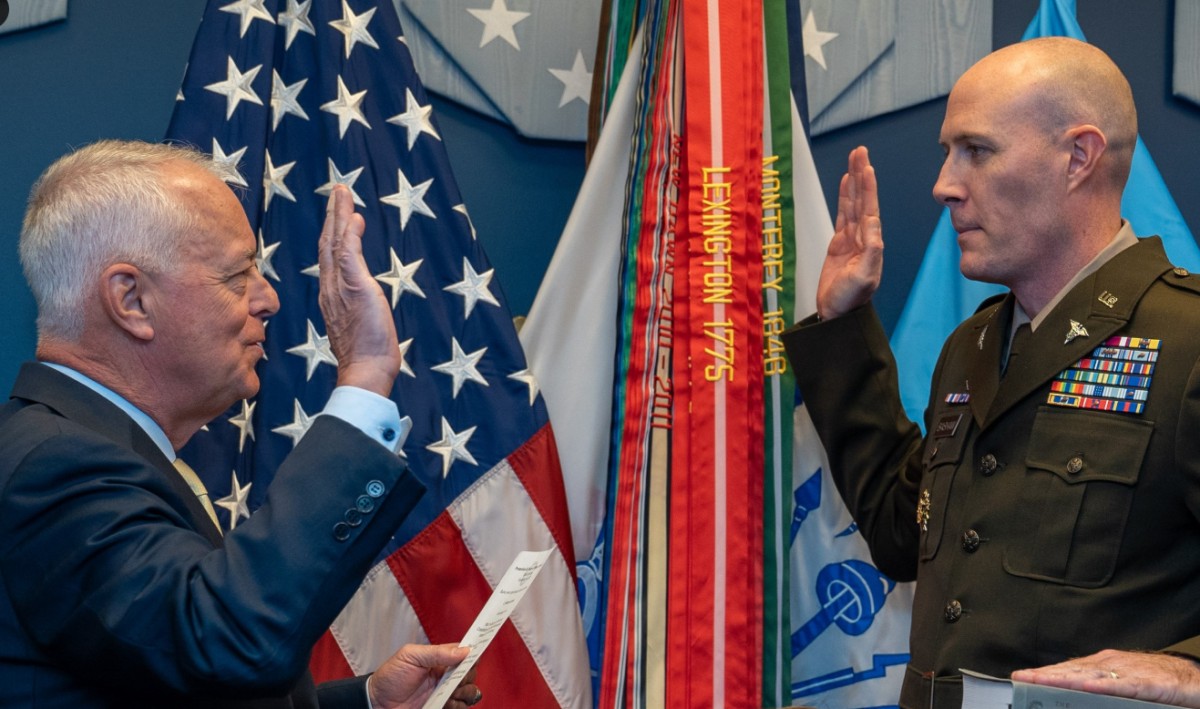
This piece examines a senior Defense official’s direction to the services on how service members should be treated, outlines the expectations set for military leadership, and explores the implications for morale and accountability within the armed forces.
The message from senior Pentagon leadership was blunt and direct, aimed at correcting how the services handle personnel issues. It underscores a need for consistent treatment across branches and a recommitment to standards that protect dignity and honor. For many veterans and commanders, this is not just policy talk; it is a call to restore proper order and respect in uniformed life.
‘I tasked in no uncertain terms to the services that they will treat each of the members with the dignity that they deserve,’ War Undersecretary Anthony Tata said. That line landed with weight because it already reflects broader frustrations about how the military enforces rules and cares for its people. When a senior official speaks like that, units expect follow-through and results rather than vague assurances.
From a conservative perspective, this moment reinforces what citizens expect from their military: clear leadership, accountability, and fair treatment. The goal is not to micromanage but to make sure commanders uphold standards without political interference. Troops fight and sacrifice based on trust in leadership, and when that trust frays, readiness suffers.
Practical steps follow naturally from the instruction: review current processes, hold commanders accountable, and correct bad practices quickly. These are not radical ideas; they are the backbone of a disciplined force. When implementation is left fuzzy, the burden falls on individual service members who bear the consequences.
Morale is a strategic concern, not an emotional one, and dignity in treatment plays directly into retention and recruitment. Young people deciding whether to serve look for institutions that treat them fairly and predictably. If the military sends mixed signals about who it protects and how it enforces standards, those recruits will look elsewhere.
Leaders must also balance enforcement with compassion, recognizing real human needs while maintaining order. That means transparent processes for adjudication and an accessible path for appeals or redress. Soldiers and sailors deserve mechanisms that work, not endless bureaucracy that erodes faith in the system.
Accountability should be swift and public when failures occur, and praise should be just as visible when leaders do right by their people. Public confidence in the military is tied to how well it polices itself, and conservatives argue that robust internal discipline strengthens civilian trust. Oversight that respects the chain of command will help avoid politicized interference and preserve mission focus.
This direction also places responsibility on Congress and the defense department to fund and support the systems that protect personnel. Proper training, legal support, and mental health resources are not extras; they are mission-critical investments. Denying that reality costs lives, undermines performance, and wastes taxpayer dollars.
Finally, the conversation about dignity and treatment should encourage honest self-assessment within the services. Culture change is hard, but it starts with clear expectations and steady enforcement from the top. When leaders act decisively and fairly, the rest of the force follows, and the country gets the disciplined, respected military it expects and deserves.

