

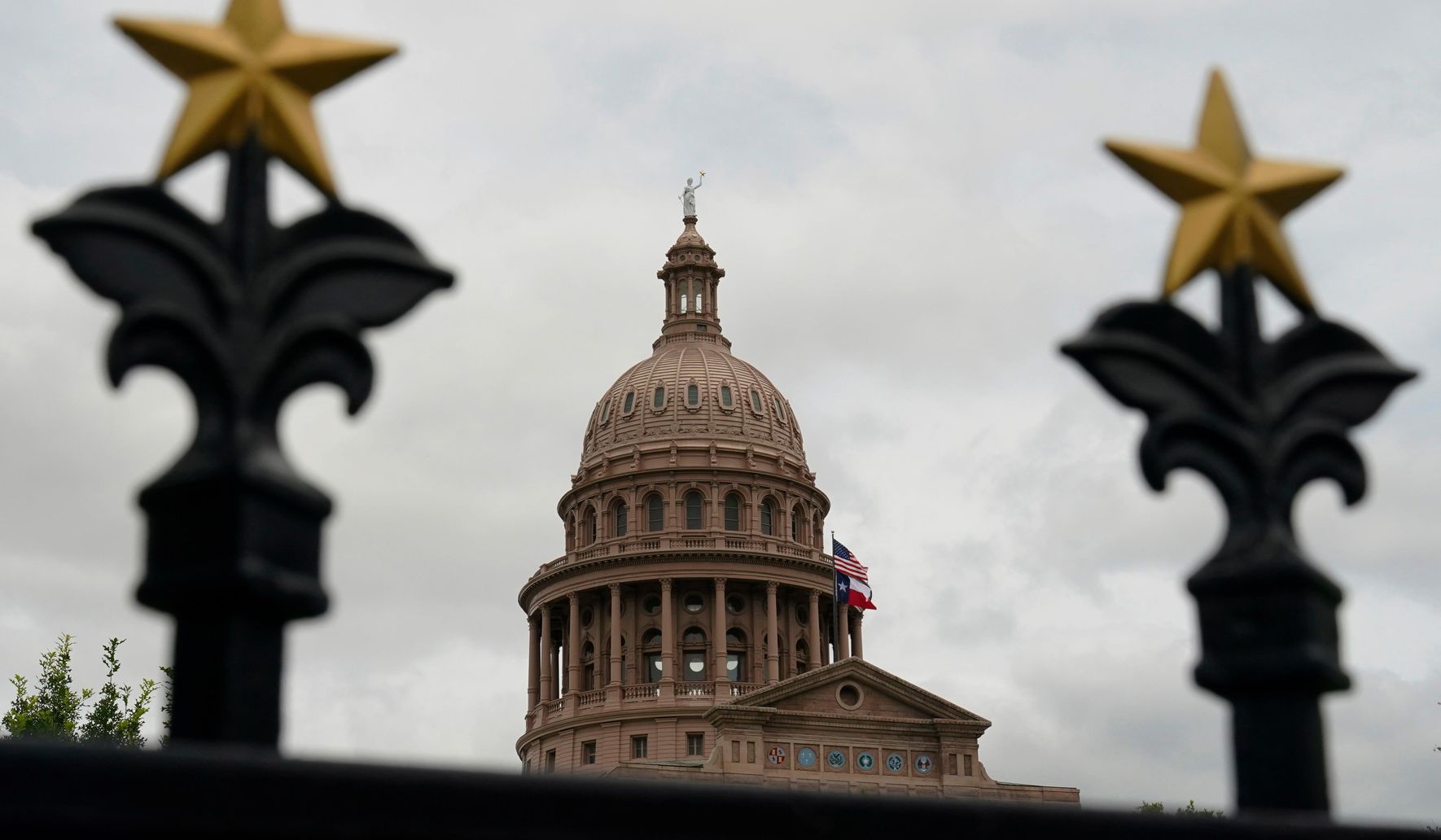
Texas has asked the Supreme Court, in an emergency filing, to allow the state to use its new GOP-friendly congressional map in the 2026 elections.
Texas filed an emergency request with the Supreme Court on Friday asking justices to let the state deploy its new congressional map for the 2026 cycle. The move puts voting-rights litigation and redistricting authority directly before the high court. State leaders argue the map reflects legal and demographic realities in Texas.
The request follows lower-court rulings and pre-election litigation that challenged the map as discriminatory. Texas officials maintain the challenge is politically driven and that courts should not substitute their judgment for the legislature’s. From a Republican perspective, the legislature acted within its constitutional role to redraw districts after population changes.
Supporters say the plan preserves Texas voters’ power and respects state sovereignty over elections. They point out that redistricting is a legislative task carried out after the census and that courts should respect elected lawmakers’ choices. The emergency filing asks the Supreme Court to step in quickly so election calendars and candidate filing deadlines are not disrupted.
Opponents argue the map dilutes minority voting strength and violates federal protections, prompting federal judges to intervene. That contest is familiar in recent redistricting fights, where legal standards for racial gerrymandering and vote dilution are disputed. The Republican argument emphasizes that changes reflected population movements and lawful political considerations rather than unconstitutional discrimination.
Texas officials also highlight the practical consequences of delays, noting that implementing court-ordered maps late in the cycle creates confusion for election officials, candidates, and voters. They warn that uncertainty could complicate candidate filing, campaign planning, and ballot preparation. The emergency petition frames timely resolution as necessary for orderly elections in 2026.
The Supreme Court now faces a choice between deference to the state legislature and further judicial intervention in district lines. For conservatives, deference maintains the separation of powers and prevents ad hoc court-drawn maps that lack democratic legitimacy. The petition asks the justices to uphold the state’s authority and let the map stand for the upcoming cycle.
Legal analysts expect the court to weigh precedent on racial gerrymandering, federal oversight, and what constitutes an acceptable remedy when a map is found unlawful. The Republican viewpoint here stresses consistent standards and finality so states can plan elections without ongoing litigation. Quick resolution would also reduce the incentive for repeated last-minute challenges that unsettle electoral calendars.
Beyond the courts, the dispute underscores how redistricting remains a high-stakes political tool that shapes control of the U.S. House for years. Texas has gained seats and influence in recent censuses, making its congressional map a nationally consequential matter. The emergency filing signals that state leaders will press their case forcefully and seek a clear ruling before 2026.
Whatever the court decides, the filing makes clear Texas intends to defend its map and the legislature’s authority to draw district lines. Republicans argue that elections should proceed on maps enacted by the people’s representatives unless a clear legal violation is proven. With 2026 on the horizon, both legal teams and political operatives will be watching how the justices respond to this urgent request.

