

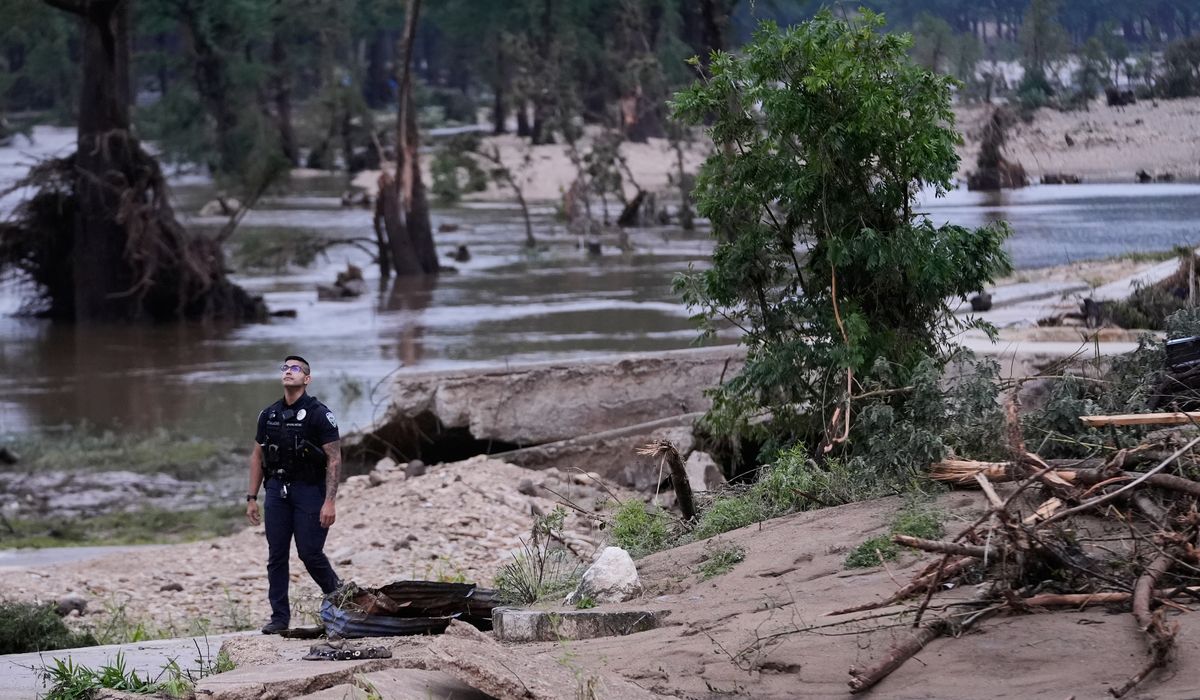
New flood sirens and alert systems in Texas helped save lives this week, but some residents still missed warnings and were caught by rising water.
The new sirens and alert systems activated during a sudden flood event, giving many people time to move to safety and avoid trapped vehicles. At the same time, uneven coverage and timing gaps meant not everyone heard or received the warnings. Emergency teams credited the upgrades with preventing worse outcomes, while officials quickly flagged where the system still needs work.
Sirens are loud and immediate, designed to wake people up and push them outside the screens and delays of phones. In several neighborhoods, the audible alerts cut through the noise and got people moving before streets turned into fast-flowing hazards. Yet sirens depend on placement and maintenance, and coverage maps revealed pockets where the sound never reached.
Cellular and text alerts filled other roles by delivering location-based warnings to phones, but those alerts arrived inconsistently for some users. Network congestion, dead batteries, and phones on silent left gaps that sirens were supposed to backstop. The result was a mixed performance where redundancy helped many but did not cover everyone.
Officials pointed out that flooding often escalates faster than a single system can track, especially in flash-flood scenarios where water levels rise within minutes. Local topography, drainage bottlenecks, and urban surfaces all accelerate runoff, catching residents by surprise. That reality makes layered warning systems essential, and it also raises questions about how to prioritize upgrades.
Community response varied, with neighbors helping neighbors and first responders focusing on high-risk zones. In some cases, people who heard the sirens checked on those who did not, moving them to higher ground or coaxing them out of cars stalled in water. Those hands-on actions underline how technology and community action must work together when seconds count.
Problems identified included gaps in siren placement, outdated wiring or controls, and inconsistent testing regimes that left some equipment unproven under stress. Funding and logistical challenges mean rural or sparsely populated areas are often last in line for upgrades. Officials are now weighing where to allocate limited resources to maximize life-saving reach.
Experts recommend a practical mix: robust siren networks, regular testing that mirrors real emergencies, reliable cellular alerting, and public education on what to do when alarms sound. Simple household planning, like keeping a charged phone and a grab-and-go kit, can make a big difference when alerts are delayed. Local governments can also map flood-prone corridors and focus outreach on residents in those locations.
Installation of new systems was a clear step forward, and emergency managers noted immediate benefits in lives saved. Still, this week’s experience made it plain that no single fix solves every threat, and remaining blind spots must be addressed. Communities that pair hardware improvements with outreach and routine drills will be better prepared for the next sudden flood.

