

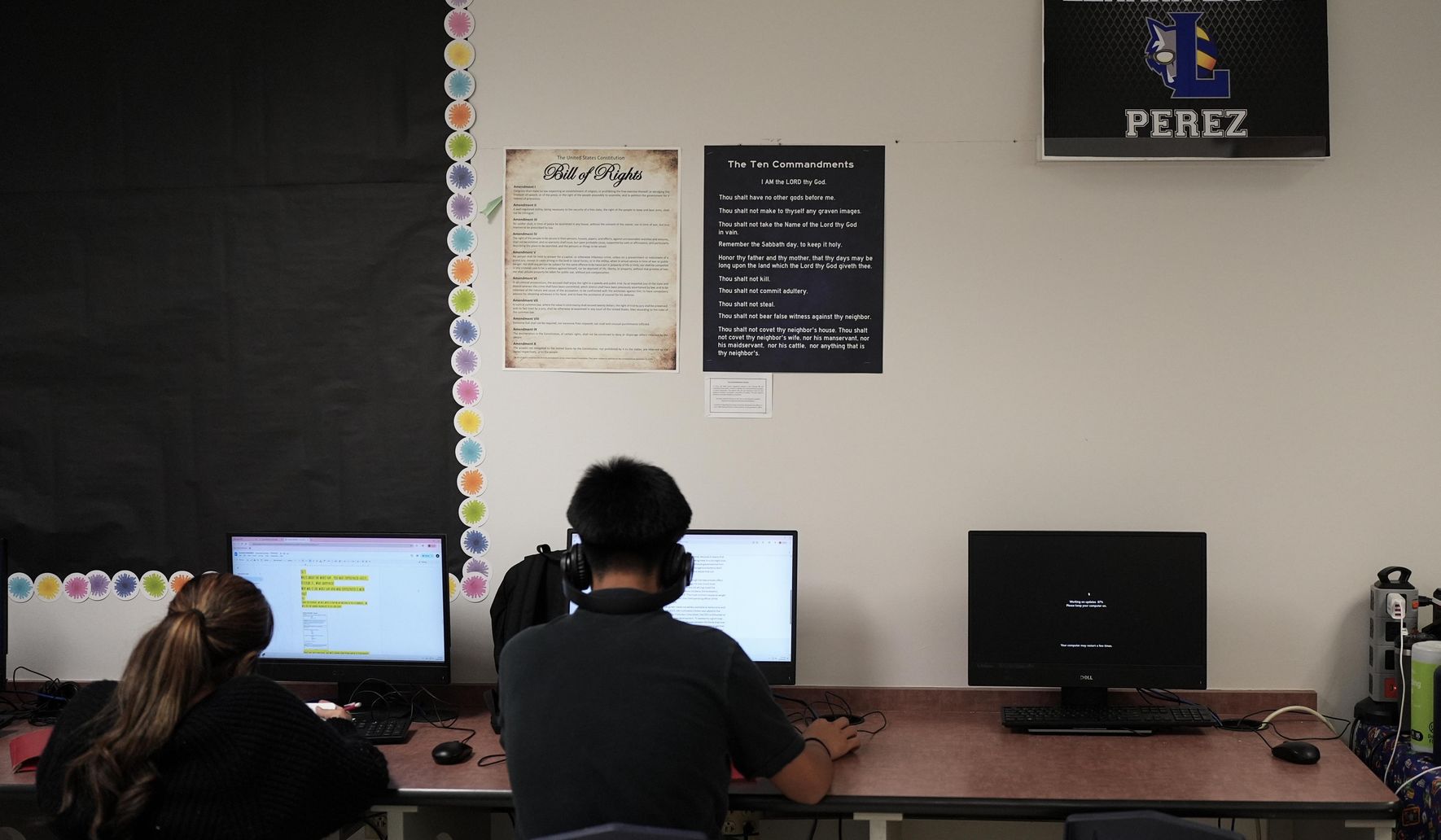
A Bible-infused curriculum that Texas approved in 2024 will be corrected to address hundreds of errors teachers and education officials identified after the material was released.
The Texas decision to approve a Bible-infused curriculum in 2024 sparked immediate debate, and now the material is being revised to fix hundreds of documented errors. Teachers and education officials flagged numerous problems that demanded a formal review and corrective action. The process highlights the tension between introducing faith-based content and maintaining high academic standards in public schools.
Supporters of the curriculum argued it offers cultural and moral context students can benefit from, while critics warned of factual mistakes and doctrinal slant. Those concerns were not dismissed; rather, they triggered a correction process intended to restore accuracy and clarity. For Republicans, the priority is clear: religious perspectives can be included, but only if the work is reliable and respectful of public education duties.
Teachers on the ground were the first to spot many of the errors, and their reports drove the response from education officials. That teacher-led scrutiny is a vital check on materials before they become entrenched in classrooms. It also shows why local input and classroom feedback matter more than top-down mandates when a curriculum touches on sensitive cultural and religious subjects.
Fixing hundreds of errors will require a sustained, transparent effort that includes subject-matter experts and classroom-tested revisions. The state must avoid a rushed patchwork that leaves more issues unaddressed, because shaky content undercuts student confidence in school materials. Republican voices calling for accuracy insist that introducing faith-adjacent material should never excuse sloppy scholarship.
Accountability is part of the solution: editors, reviewers, and state officials need to be identified and held responsible for quality control. That does not mean canceling the idea altogether; it means setting higher standards and clear expectations for content accuracy. Conservatives who favor school choice and parental involvement also favor rigorous review to protect students and taxpayers alike.
Training and guidance for teachers using the revised curriculum will be essential, since classroom application determines how students experience the material. Professional development can help educators present sensitive topics neutrally and in line with constitutional limits, while still acknowledging historical and cultural influences. A better-prepared teacher workforce reduces the chance that future materials will produce the same level of complaint and correction.
Transparency about the corrections and the review process will be crucial to rebuilding public trust and preventing politicized attacks from derailing improvements. Publishing redlines and explaining why changes were made reassures parents and community leaders that the corrections are substantive, not cosmetic. A clear, public record of revisions also protects the state against accusations of clandestine content manipulation.
At the end of the day, Texans who supported adding Bible-infused content want it done right, not recklessly, and opponents who raised red flags should be satisfied that their concerns produced action. The balance Republicans should advocate is straightforward: defend the right to include religious perspectives where appropriate, while insisting on rigorous review, teacher involvement, and transparent corrections when errors are found. That approach respects both faith and facts in public education.

