

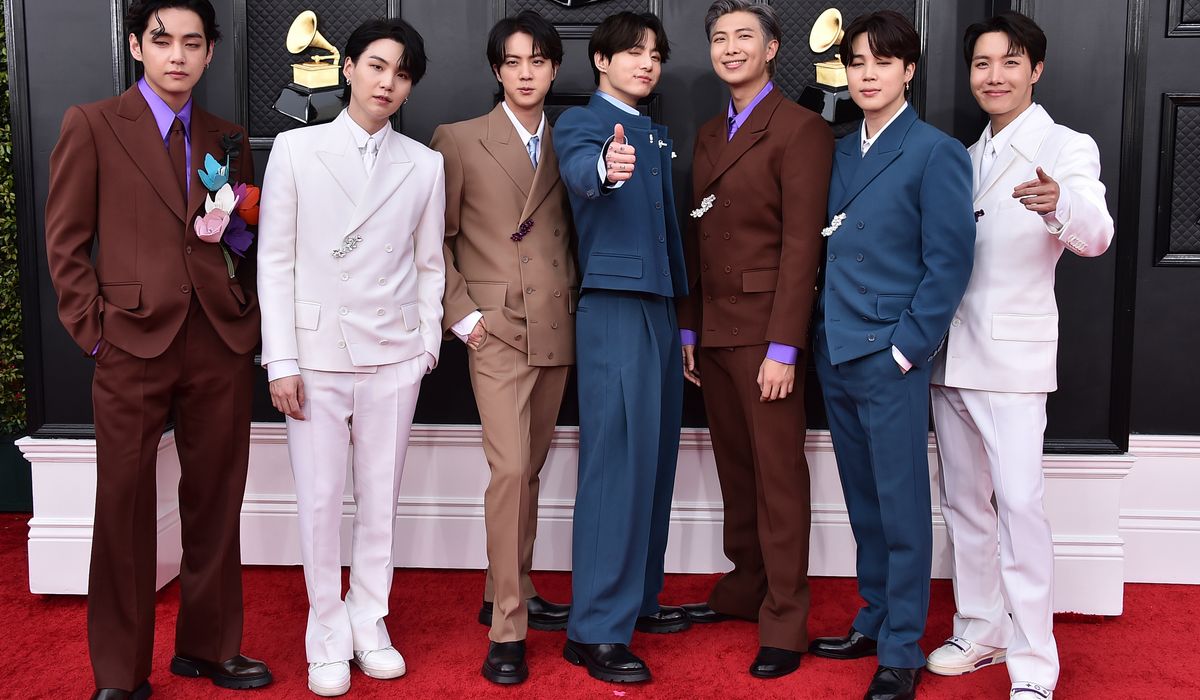
Three songwriters have sued Hybe, accusing the company of lifting BTS’ chart-topping single “Swim” from an unpublished work.
The lawsuit centers on claims by three songwriters that Hybe used material from their unpublished composition when producing the BTS single “Swim.” The plaintiffs say the similarities go beyond coincidence and that their unpublished work formed the basis for the hit. The case throws a spotlight on how rights and credits are handled in today’s global pop machine.
At the heart of a dispute like this are two questions courts look at closely: access and substantial similarity. Access asks whether Hybe or anyone on the BTS production team could realistically have heard or seen the unpublished song. Substantial similarity examines whether the parts of “Swim” that are in dispute match protectable elements of the plaintiffs’ work, not just general musical ideas.
Unpublished works are still protected by copyright law, so the plaintiffs don’t need a public release to make a claim. What matters is whether their song was fixed in a form that can be evaluated and whether the core elements that are claimed as copied are original. Courts parse melody, harmony, rhythm, structure, and sometimes production cues when deciding if copying occurred.
Proving copying is rarely straightforward in pop music, where similar chord progressions and rhythmic patterns are common. Plaintiffs often rely on musicologists to map out precise overlaps and to argue that what’s shared between two songs is specific enough to be protected. Defendants, meanwhile, typically point to genre conventions and independent creation to push back.
High-profile suits can hinge on a handful of musical phrases or a distinctive hook, and those small parts can carry big stakes when a song performs strongly on the charts. Since “Swim” is described as chart-topping, any finding of improper copying could affect royalties and crediting long after the single’s release. That’s why both sides sometimes prefer settlement to the unpredictability of a trial.
The industry has a history of resolving melody disputes out of court, often with adjustments to credits and revenue splits. When cases do go to trial, judges and juries must balance technical musical analysis with the legal standards for originality and copying. The burden on plaintiffs is significant: they must show both that copying occurred and that the copied material is protected by copyright.
For songwriters, this is also a reminder to document their work thoroughly, from recording demos to registering compositions. Proper documentation helps establish the chain of creation and can be decisive when questions of who wrote what come up. In cross-border situations involving K-pop and Western songwriters, those records matter even more because different collaborators and intermediaries can complicate the trail.
From a marketplace perspective, disputes like this can influence how labels, publishers, and artists handle demos and submissions. Rights management gets more cautious after litigation hits the headlines, and parties often tighten contracts around credits and clearances before releasing major singles. That ripples through how new music is vetted and how songwriters are credited going forward.
The outcome will likely depend on detailed musical analysis and whatever evidence exists showing how the disputed material moved from one set of creators to another. Whether the case ends with a settlement, credit adjustments, or a court ruling, it underscores the tension between collaborative songwriting and protecting original work. For now, the filing puts Hybe and the BTS single “Swim” at the center of a copyright fight that could have wider effects on how pop music is made and managed.

