

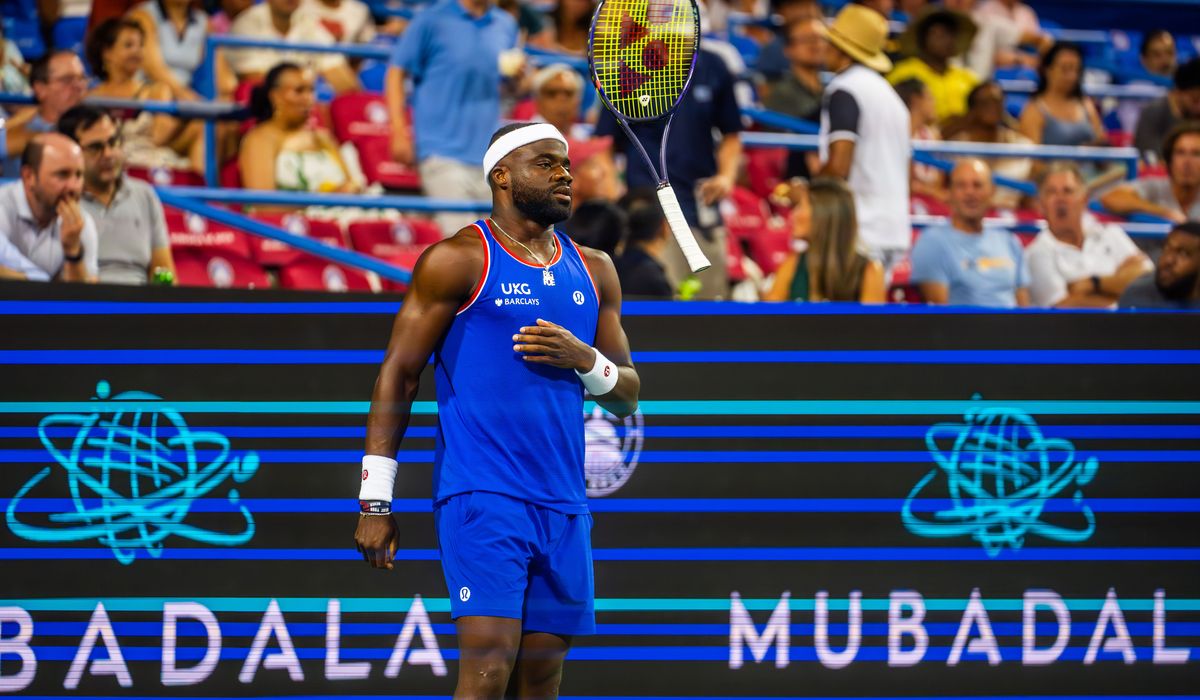
Frances Tiafoe’s run at his hometown event ended abruptly with a first-round loss late Monday, leaving expectation and frustration in its wake.
Another promising opportunity for Frances Tiafoe to shine in his hometown tournament ended in stunning and disappointing fashion in the first round late Monday. The sudden exit was a blunt reminder that even crowd favorites can run into trouble on any given day. Fans who packed the stands hoping for a charged performance left surprised and searching for answers.
Coming into the match, local optimism and the weight of hometown support made the stage feel momentous. That combination can lift a player or pile on pressure, and in this case it seemed to tilt the balance toward the latter. Tiafoe’s early defeat turned an anticipated celebration into a sober moment for reflection.
From a tactical standpoint, early-round losses often expose a player’s short-term lapses rather than deep structural problems. Slower starts, unforced errors, and a few missed opportunities at critical moments can be enough to swing a match. Those are fixable things, but they must be addressed quickly to prevent a slide through the calendar.
Physically, tennis at this level demands both precision and endurance, and a lapse in either can be costly. Whether it was timing, movement, or an off day with the serve, the result was the same: an unexpected exit. The scoreboard ignores reputation and hometown status, and it records only what happens in the moment.
Emotionally, losing in front of home fans is a unique sting; the cheers you want can turn into a palpable disappointment. Players learn to process that, but it rarely happens overnight. Handling the aftermath becomes part of the season’s narrative, and how a player responds can define the next stretch of tournaments.
For Tiafoe, the practical side is straightforward: regroup, adjust the practice plan, and plan the next few events with purpose. Coaches and support teams will comb through video, patterns, and routines to isolate the difference between an off day and a critical trend. The immediate goal is to convert lessons into quick improvements rather than overreacting to a single result.
Fans and media will dissect every angle, but the most useful reaction is professional and measured work behind the scenes. The tour moves fast and offers plenty of chances to reset confidence and form. When a player of Tiafoe’s caliber catches the right rhythm, a short loss like this becomes a blip, not a verdict.
The broader picture is that sport is cyclical: highs and lows alternate, and public expectation often forgets that basic truth. Players who endure and adapt write better chapters afterward, and the coming weeks will show whether this loss becomes fuel or a distraction. The season continues, and the next matches will tell how the lessons are applied.

