

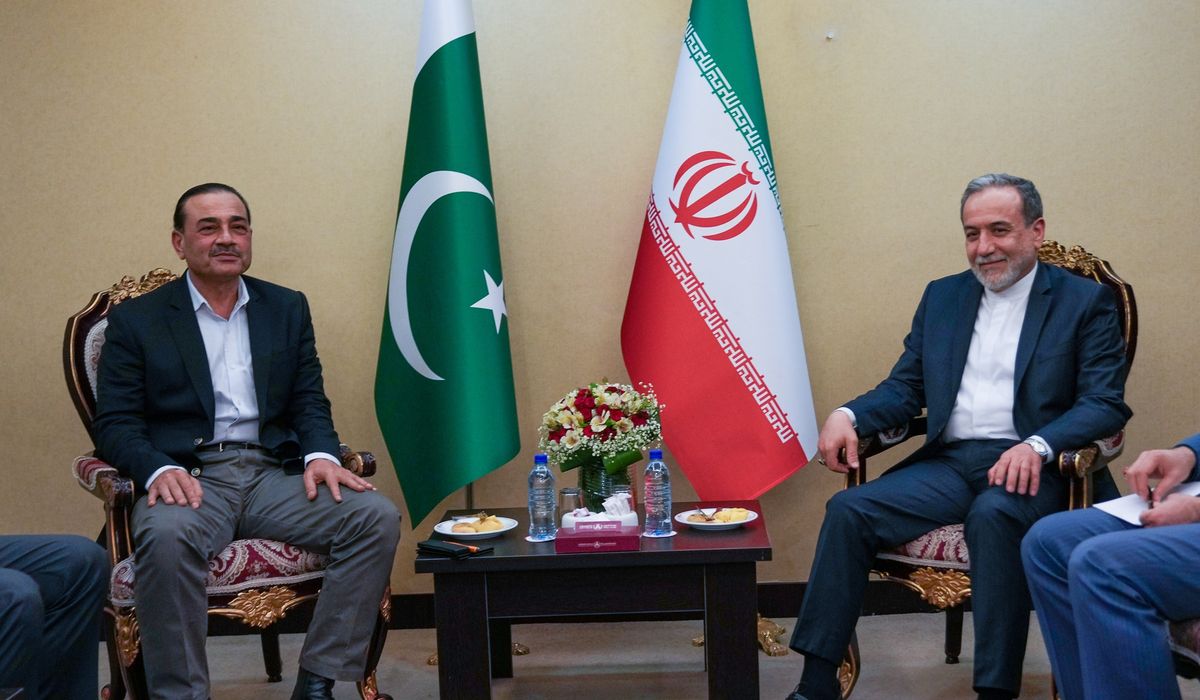
A top Iranian official is heading to Pakistan, raising the prospect of a new round of peace talks with the U.S.
Diplomacy is moving again in a volatile region, and this trip matters because Iran, Pakistan, and the United States all have strategic calculations at stake. The visit could reopen channels after years of tension, but it also raises questions about sincerity and leverage. Observers are watching how Pakistan positions itself as a go-between, and what Washington will demand in return for engagement.
The announcement that an Iranian emissary will travel to Pakistan comes amid a swirl of regional uncertainty and shifting alliances. Iran has been active through proxies and regional influence, so any diplomatic outreach deserves close scrutiny. From a conservative perspective, talks should not be mistaken for concessions without concrete verification.
“A top Iranian official is heading to Pakistan, raising the prospect of a new round of peace talks with the U.S.” That sentence captures both the action and the risk: movement toward diplomacy, and the very real chance that Tehran is buying time. The optics can look constructive, but the substance matters far more than appearances.
Pakistan’s role is complicated. Islamabad has worked with Tehran on limited security issues in the past and has its own regional priorities that do not always align with U.S. interests. Acting as an intermediary gives Pakistan influence, but it also exposes Islamabad to pressure from both Tehran and Washington.
For Republicans focused on national security, three immediate issues stand out: verification, sanctions relief, and the behavior of Iranian proxies. Any conversations that reduce pressure on Tehran without hard guarantees would be a strategic mistake. Negotiations must be built on durable, enforceable steps, not goodwill gestures that evaporate.
Verification is the backbone of credible diplomacy. If talks restart, the United States should demand independent inspections, transparency on enrichment programs, and real limits on ballistic missile development. These are the kind of measures that prevent surprise escalation and protect American interests and allies.
Sanctions have been a central lever of U.S. pressure on Iran, and their calibration deserves careful thought. Lifting sanctions for vague promises would undercut leverage and reward bad behavior. Any relief should be phased, reversible, and tied to measurable Iranian actions verified by international monitors.
Proxy activity across the Middle East complicates the picture. Iran’s relationships with militias and allied forces in Iraq, Lebanon, Syria, and Yemen have security consequences for American partners. Talks that ignore the proxy network will not produce lasting stability, because Iran often uses indirect methods to project power.
Political credibility at home matters too. A Republican viewpoint emphasizes that engagement must not signal weakness to adversaries or abandon allies. Congress and voters expect strong oversight and clear benchmarks when diplomacy is on the table, not secret deals that leave the region more dangerous.
Pakistan can help facilitate dialogue, but the United States must drive the agenda and set the terms. Negotiations should prioritize verifiable denuclearization steps, an end to support for militant proxies, and safeguards for regional security. Pakistan’s utility lies in opening doors, not writing the script.
Timing is another factor. Tehran often times diplomatic moves to exploit fractures among Western partners or to win concessions when attention is divided. Washington should coordinate with allies and maintain a unified front to avoid giving Iran opportunities to play actors against one another.
Any renewed engagement will be judged by tangible outcomes, not promises. For those skeptical of Tehran’s intentions, the default position should be cautious engagement paired with continued pressure and a clear set of benchmarks. That approach preserves leverage while keeping the door open for real, verifiable progress.
In short, the trip to Pakistan is a moment to test Iran’s intentions and to reaffirm American resolve. Diplomacy can work when backed by strength and smart verification, but it fails when it becomes a shortcut to relieving pressure without securing meaningful change. The coming days should reveal whether this is a constructive opening or another tactical move by Tehran.

