

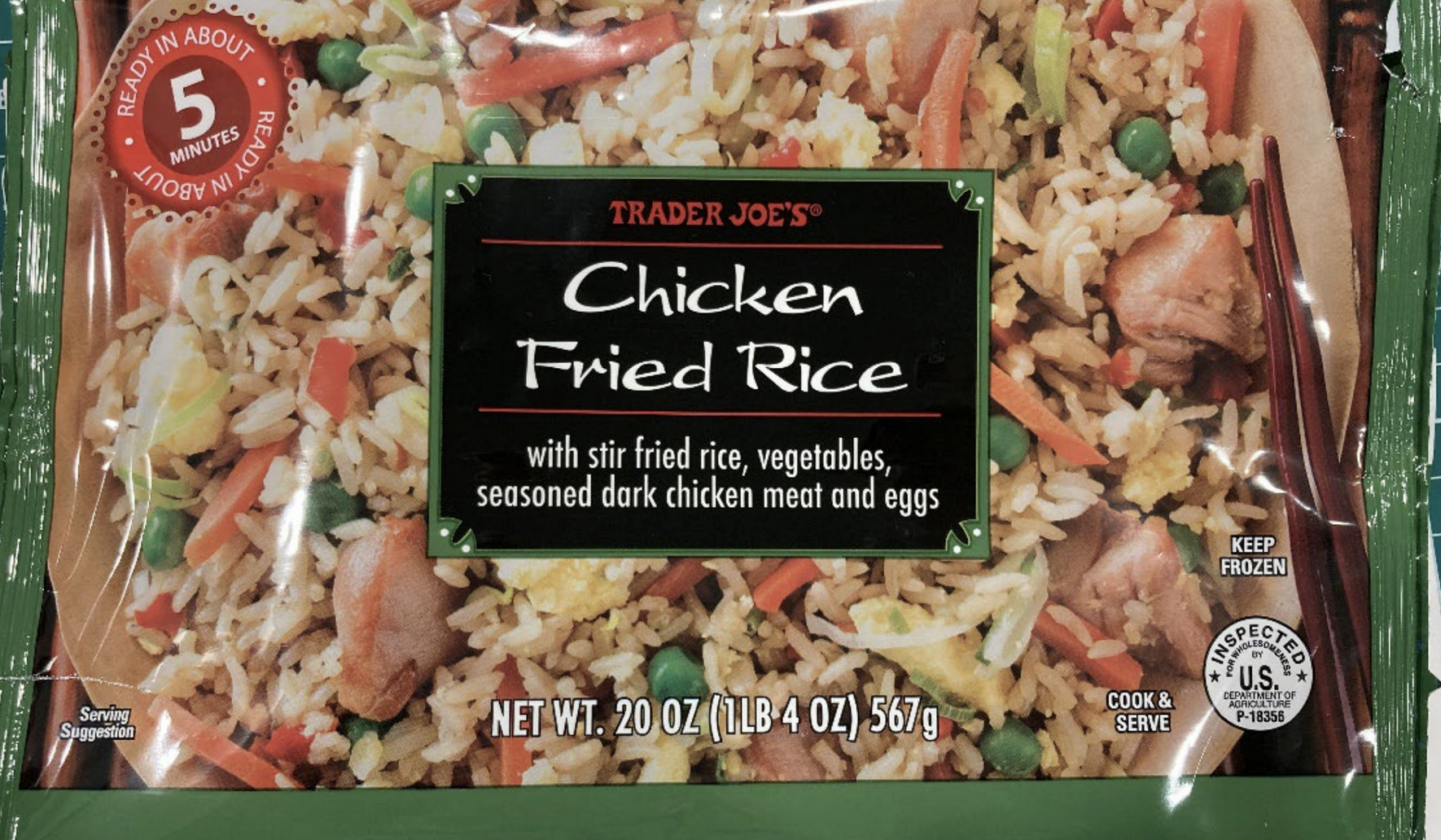
Trader Joe’s Chicken Fried Rice has been pulled in a big recall, affecting more than 3.3 million pounds of frozen product, and consumers are being urged to check what’s in their freezers and follow safe handling steps.
If you bought Trader Joe’s Chicken Fried Rice recently, it’s worth a quick freezer check. The product is part of a massive recall that involves more than 3.3 million pounds of frozen chicken fried rice, and stores and regulators are responding to the situation.
Start by finding any Trader Joe’s Chicken Fried Rice packages in your freezer and comparing the packaging details you have on hand to official recall notices or the information your retailer provides. Keep the package until you confirm whether your lot is affected, since the label, UPC and production date are often needed for a return or refund.
Do not eat any product you suspect is part of the recall until you know it is safe, and avoid cross-contaminating other foods while handling it. If you’ve already prepared or served the product and notice anything off—unusual smell, texture, or if people feel sick—seek medical advice and save packaging for testing or inspection.
Retailers typically offer refunds or exchanges for recalled food even without a receipt, and many encourage customers to bring back the product to the store for a prompt refund. Keep your interactions simple: hold onto the package, note where and when you bought it, and talk to customer service at the place of purchase to find out the quickest route to a refund.
Regulators and the company will usually publish specific batch numbers, UPCs and production dates so consumers can compare those details against their packages. If you don’t see that information posted where you shop, ask staff for guidance so you can verify whether your item is included in the recall.
When disposing of recalled frozen food, seal it in a double bag and tie it off, then place it in the trash outside the home to prevent accidental consumption by others or animals. Clean any surfaces or utensils that touched the item with hot, soapy water; drying and sanitizing counters helps reduce any lingering risk around the kitchen.
Keep records of any communications about the recall and note any symptoms or reactions if someone ate the product before the recall was announced. That documentation can be helpful if a health department or retailer requests information as they investigate, and it’s useful for your own records when seeking reimbursement.
For people who rely on frozen dinners, this kind of recall is inconvenient and frustrating, but acting quickly and following guidance protects your household and helps retailers and regulators narrow the scope. Checking freezers, keeping packaging handy, and contacting the seller for return or refund will resolve most situations cleanly and get you back to your regular grocery routine.

