

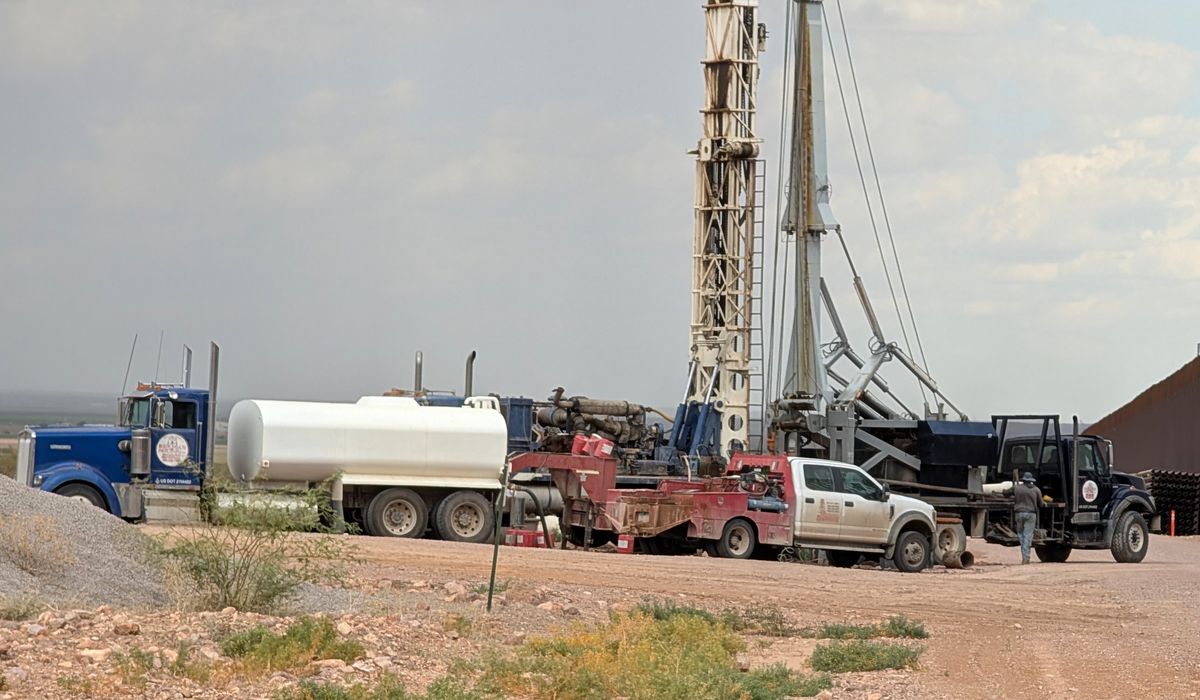
The Trump administration paused drilling for wells tied to border wall construction in drought-stricken New Mexico after ranchers warned that pumping groundwater for concrete could threaten local water supplies.
The decision to halt drilling came after ranchers raised alarm about the impact of extracting groundwater to mix concrete near their properties. Officials ordered construction crews to stop while concerns about water availability and local wells were reviewed. The move landed squarely at the intersection of border security and scarce water resources in a region already under stress.
New Mexico is suffering from drought conditions that make every drop of groundwater critical for people and livestock. Ranchers told federal authorities that drawing water for concrete could reduce well levels and harm their operations. Those complaints prompted the administration to pull back and reassess the plan before more drilling went ahead.
From a Republican perspective, the goal of securing the border is real and important, but it does not mean bulldozing past legitimate local concerns. You can support construction and insist on responsible use of resources at the same time. This pause shows a willingness to listen to property owners while keeping the larger mission in view.
Contractors and crews now face delays that could push timelines and costs. Stopping drilling affects scheduling and may require rerouting work or finding other water sources for concrete mixing. At the same time, federal teams will need to document usage, consider permits, and ensure they are not violating state water rules or harming private wells.
Ranchers described practical fears about declining well output, the health of their livestock, and long-term damage to their livelihoods. Those are not abstract complaints in a dry county where wells can be the difference between staying in business and shutting down. Local voices carry weight, and their reports prompted the administration to act quickly.
This situation highlights the federal role in coordinating big projects with local realities. The government must secure the border while also respecting property rights and water rights that matter to communities. A sensible approach balances national security needs with the duty to avoid undue harm to residents who rely on scarce groundwater.
There are practical fixes worth exploring, like using hauled water, treated wastewater, or engineered concrete options that reduce freshwater demand. Managers can also map aquifer stress, monitor well levels, and set clear thresholds for when pumping must pause. Those steps let construction proceed responsibly without leaving ranchers and families dry.
Political opponents will likely use the pause to score points, but the core issue is straightforward: federal projects must be accountable and operationally smart. If border security is a priority, planners should also build trust with neighbors and follow the rules that protect local resources. That approach keeps the focus on delivering results while respecting the communities that live on the front lines of the project.

