

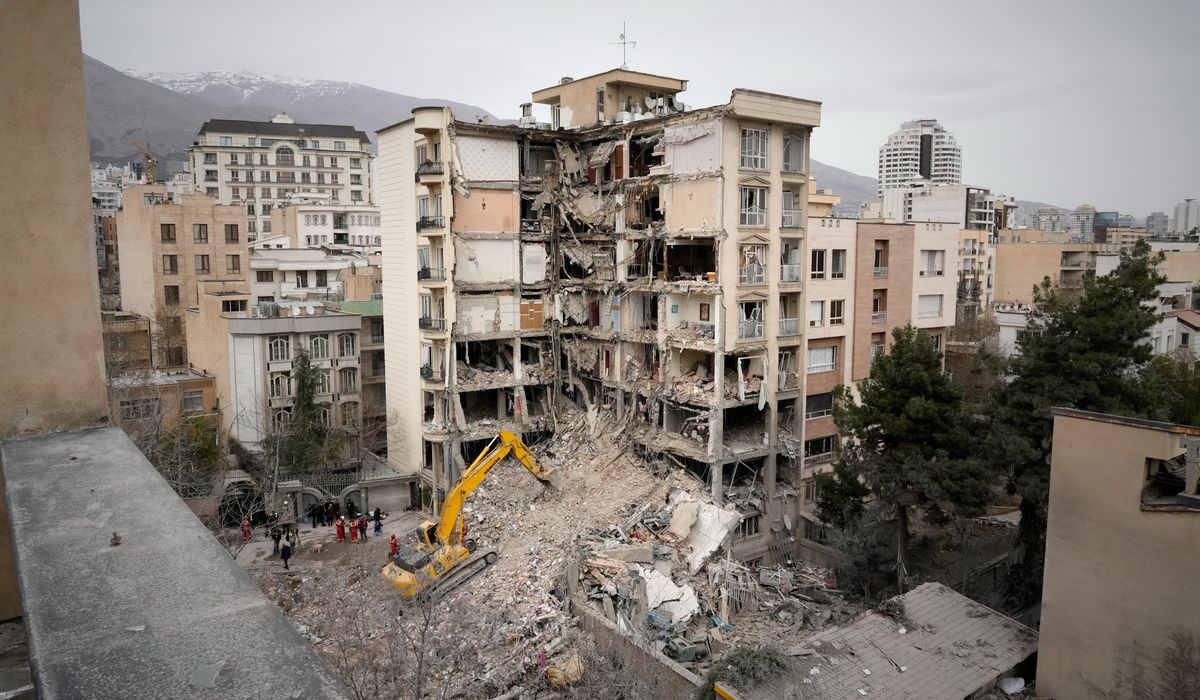
The Trump administration reportedly presented a 15-point ceasefire plan to Iran, a proposal described by a person briefed on the contours of the plan who was not authorized to speak publicly about it.
The Trump administration has offered a 15-point ceasefire plan to Iran, according to a person briefed on the contours of the plan but who was not authorized to speak publicly about it. That line is the core fact driving this coverage and it sets the terms for how Washington and Tehran might move forward. Republicans will focus on whether the plan protects American interests and holds Iran accountable.
From a Republican viewpoint, any ceasefire must be anchored in verifiable steps and real consequences for violations. Vague promises won’t cut it; the United States should require inspection, monitoring, and immediate penalties for breaches. Lawmakers will want clear mechanisms so the plan does not simply buy Iran time to regroup.
The plan’s 15 points reportedly reflect a mix of diplomatic and security measures rather than a single sweeping concession. That blend makes sense if the aim is to stabilize the region while preserving leverage. Republicans see leverage as the core bargaining chip that prevents future aggression.
Signaling to allies and partners in the Middle East is another critical component here. Israel, Gulf states, and NATO partners will watch closely to ensure their security needs are met. Republican leaders argue the U.S. should coordinate any deal tightly with regional allies before final commitments are made.
Enforcement and verification are where deals live or die, and Republicans will press for robust oversight. That means independent observers, access to suspected sites, and real-time reporting. Without those things, a ceasefire becomes a pause that favors bad actors.
Economic pressure remains a tool Republicans insist must be part of the equation, not something to be lifted prematurely. Sanctions should be tied to verifiable Iranian behavior, and relief should come only after concrete, sustained compliance. Otherwise, lifting sanctions becomes a reward for bad behavior.
Military readiness and deterrence are also part of the mix from a Republican standpoint. Diplomacy should be supported by credible force if needed, so adversaries understand that violations have immediate costs. Maintaining a credible deterrent reduces the chance of future escalations.
Congressional oversight will be an inevitable part of this discussion, and Republicans will demand a seat at the table. Any agreement touching national security must pass through scrutiny and appropriate approvals. That ensures democratic accountability and prevents unilateral deals that undercut U.S. interests.
Intelligence assessments will be examined closely to determine whether the plan deals with the full scope of Iran’s activities. Republicans will push for scrutiny on missile programs, proxy networks, and nuclear-related work. Policy must be comprehensive, not a narrow ceasefire that ignores broader threats.
Regional diplomacy should be forward-leaning, not backward-looking, and Republicans favor leveraging relationships with Sunni partners to isolate Iranian aggression. The aim is to build a coalition that shares burden and intelligence. A united regional front strengthens any enforcement regime that follows a ceasefire.
Transparency about the plan’s terms matters politically and strategically for Republicans who worry about hidden concessions. Public clarity reduces the risk that elements of the deal will be contested or reversed later. That kind of openness also reassures allies and citizens that national security is protected.
Legal frameworks should back the plan to make enforcement cleaner and more predictable, and Republicans will highlight the need for clear legal hooks. That means tying actions to statutes, authorizations, and international law where possible. Strong legal bases prevent ambiguity and ensure consequences are enforceable.
Exit strategies and contingencies deserve attention; Republicans will want spelled-out triggers for rolling sanctions back on if Iran cheats. A plan without firm fallback options is vulnerable. Contingency planning is practical, not paranoid, and it preserves American leverage.
Military-to-diplomatic sequencing is another area Republicans scrutinize, preferring diplomacy that follows credible deterrence. Force in reserve can propel better diplomacy at the bargaining table. This sequence reduces the chance that concessions are negotiated under duress.
Timing of any moves matters, and Republicans will be wary of quick fixes that aim for optics over outcomes. Negotiations should proceed only when they advance security, not when they simply produce headlines. Patience can yield long-term stability rather than temporary calm.
Finally, Republicans will evaluate any plan by asking whether it strengthens American power and protects allies. The measure of success will be reduced Iranian aggression and clearer rules of the road. The coming debates will hinge on whether this 15-point outline meets that test.

