

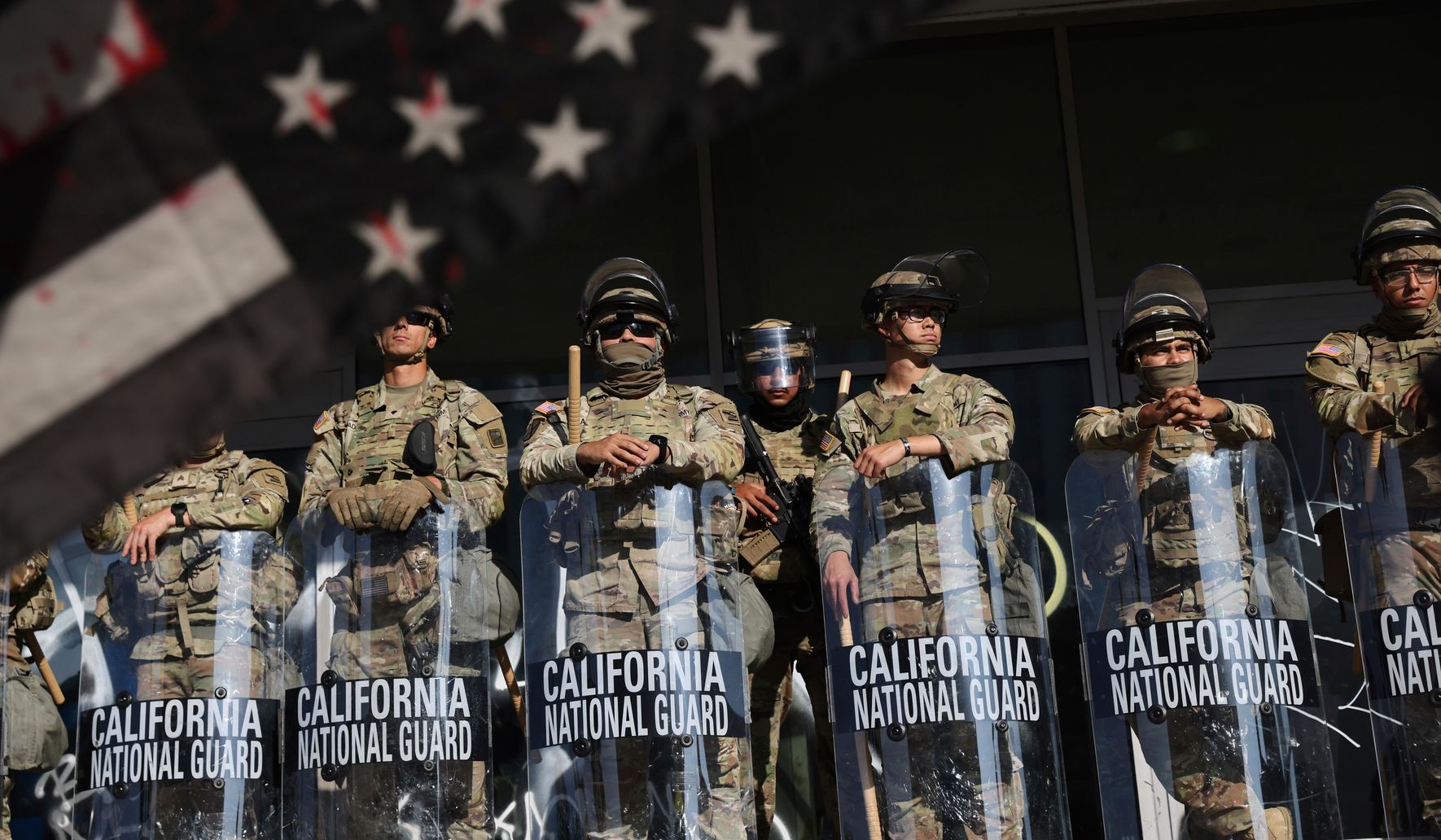
After a Supreme Court setback, President Trump announced Wednesday that he is abandoning his efforts, for now, to deploy National Guard troops to Chicago, Los Angeles and Portland, Oregon; the move reflects a pause in federal plans to send uniformed personnel into those cities while legal and political battles play out.
Washington’s intervention in city policing has become a flashpoint between the federal government and local authorities. From a Republican viewpoint, the goal was straightforward: use federal resources to restore order where local officials seemed unable or unwilling to control surging crime and street unrest. The Supreme Court setback changed the legal landscape and forced a tactical retreat rather than a policy surrender.
Deploying National Guard troops across municipal lines raises constitutional and practical questions about federal authority and local control. Republican supporters argue that when city leaders fail to protect residents, the federal government has not just the power but the duty to help. Critics on the left and some courts see such deployments as overreach and a threat to civil liberties.
The decision to pause deployments is a reminder that governance depends on courts as well as executive action. For now, the administration is recalibrating tactics to fit available legal options, preserving resources and avoiding unnecessary confrontation. That pragmatic choice allows time to build stronger legal grounding and to coordinate with willing state officials and governors.
Crime statistics and community safety concerns are central to this debate, and Republicans emphasize that failing to act would only embolden criminals. Federal presence can provide immediate manpower, intelligence sharing and logistical support to overwhelmed local forces. The alternative—leaving cities to struggle alone—has real human costs in lives, businesses and basic public order.
There is also a political angle: voters want results, not legalistic posturing. From this perspective, pausing the deployments is tactical, not an admission that the underlying problem is any less urgent. Republican leaders will likely press other avenues—legislation, conditional funding, and partnerships with state authorities—to achieve the same ends without running afoul of court rulings.
Intergovernmental cooperation matters here. Successful operations depend on clear chains of command and legal authority, which means the White House needs allies in state capitals and city halls. Where governors and mayors are receptive, a federal boost can be scaled up quickly and legally. Where political resistance is strong, the federal government must choose different tools.
Another consideration is optics: images of uniformed troops in American streets raise passions on all sides and can complicate community policing efforts. Republicans who back federal assistance say that well-planned, temporary deployments that target violent offenders and protect critical infrastructure win public support. The key is focus and transparency so deployments do not look like punitive occupation.
Looking ahead, the pause gives the administration time to refine legal strategies and rally public opinion around practical safety measures. That includes emphasizing targeted operations, better intelligence sharing, and support for local prosecutors who will actually bring charges. Republicans will argue for flexible federal support that respects constitutional limits while prioritizing law and order.

