

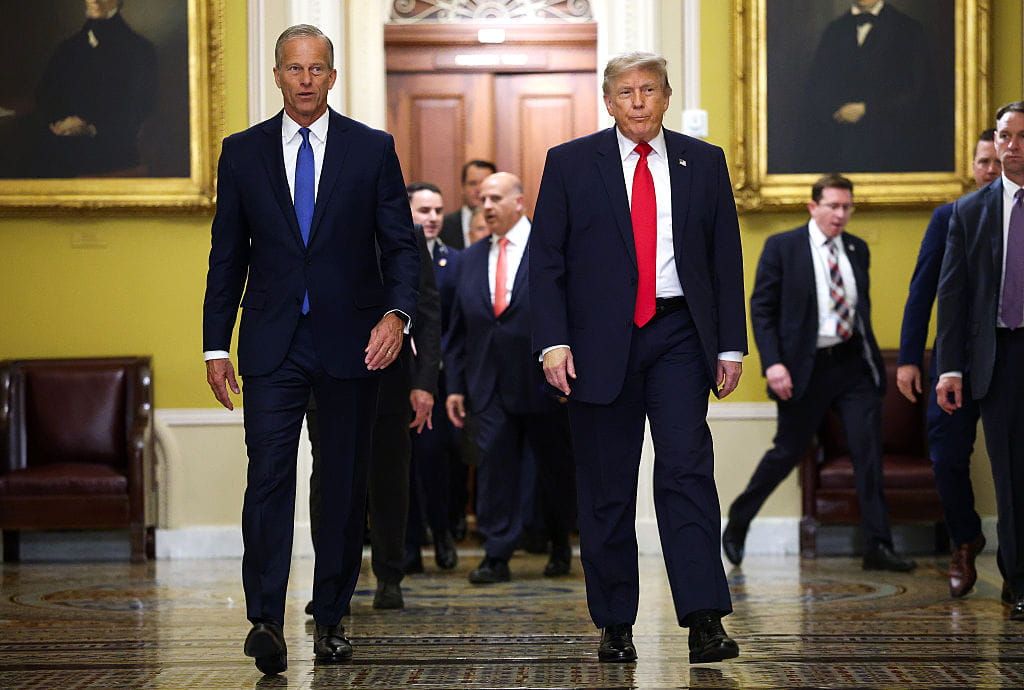
This article traces the stop‑start saga of housing policy as President Trump and Congress trade promises, pause, and new proposals, with the back-and-forth intensifying around zoning, federal power, and incentives for builders on Jun 27, 2026.
“He will, he won’t, he might? A different day, a different answer.” That line fits the current scene on housing, where headlines shift faster than policy. One day the president signals support for a federal push, the next he pivots to urging Congress to act, leaving stakeholders guessing. That uncertainty is shaping decisions in statehouses, city halls, and boardrooms across the country.
Republicans argue the core problem is supply, not subsidies, and want policies that clear the way for more homes to be built. Builders, planners, and many voters say restrictive zoning and red tape choke construction and drive prices up. The party’s preferred toolkit leans toward regulatory relief, tax incentives for new construction, and protections for private property owners rather than heavy-handed federal mandates.
On the Hill, lawmakers have circulated a mix of proposals that show the usual partisan split and some uneasy crossovers. Some bills aim to incentivize local zoning reform and unlock underused land near transit, while other measures would steer federal dollars toward specific affordable housing projects. Floor calendars and committee schedules have bounced these items around, making it hard to predict which ideas will clear both chambers and reach the president’s desk.
There’s a real tension between national rhetoric and what actually moves the needle. White House statements can set expectations, but durable change often requires Congress to write clear, limited laws that respect state authority. That’s where conservative lawmakers insist on guardrails: any federal role should be narrow, targeted, and temporary, avoiding open-ended programs that shift decision-making away from local governments and private developers.
Rent control remains a flashpoint. Democrats in some cities push it as an immediate relief for tenants, but Republican opponents note long histories of unintended consequences, like reduced investment and housing shortages. Instead of price controls, the Republican message leans on supply-side fixes and streamlining approvals to bring more units online, arguing that more inventory is the sustainable way to ease rent and housing costs.
Tax policy and financing are also under debate. Proposals to expand credits or change mortgage interest rules surface alongside calls to reform how federal funds are targeted to states. Conservatives worry that poorly designed subsidies simply socialize housing costs without addressing the zoning and regulatory bottlenecks that prevent supply from catching up. The partisan chorus is loud, but the technical details will determine winners and losers in any final package.
Politics is inseparable from policy here. With 2026 on the horizon, messaging matters as much as substance, and both the White House and congressional leaders are mindful of how voters feel about housing prices and eviction fears. That pressure can push negotiators to chase quick fixes rather than enduring solutions, which is why some Republicans are pressing for clear, pro-growth language that keeps local control central to any federal role.
The result is a legislative rollercoaster where announcements and reversals have become routine, and stakeholders must plan for volatility. Builders and local officials adjust to shifting incentives, tenants follow headlines for promises that may or may not materialize, and lawmakers juggle competing demands in committee markup sessions. (Photo by Kevin Dietsch/Getty Images)
What comes next will depend on whether Congress can translate competing priorities into narrow reforms that boost supply, preserve private property rights, and avoid open-ended federal expansion. Expect more bargaining, headline-grabbing reversals, and patchwork proposals before any durable law takes shape; the political stakes are high and the policy choices will matter for millions of Americans trying to find stable, affordable housing.

