

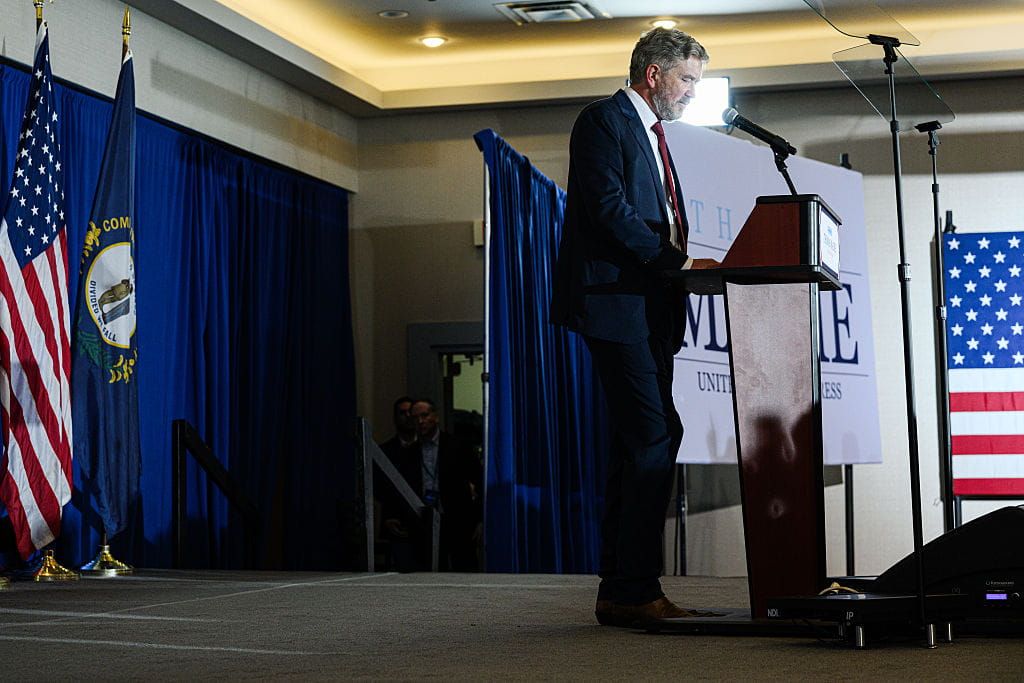
A strong night for Trump-backed Republicans on May 20, 2026 shifted the landscape in several key primaries, with veteran congressman Thomas Massie failing to advance while other endorsed candidates notched notable firsts that signal an assertive direction for the party.
The primaries delivered clear outcomes that conservatives notice and talk about. Voters pushed forward candidates aligned with former President Trump’s agenda, and those wins carried weight beyond local districts. The president again put his brand on the GOP with a string of firsts in Tuesday’s primaries.
Thomas Massie, long known for his independent streak and libertarian instincts, did not survive the latest round of voting. For years he was a recognizable voice on fiscal restraint and civil liberties, but this cycle’s dynamics favored challengers tied more closely to the party’s current leadership. That shift was plain to see at the ballot box.
Republicans should read the results as a demand for unity around clear priorities. Voters signaled they want candidates who will defend borders, cut spending where it matters, appoint constitutionalist judges, and stand firm against media-driven narratives. Endorsements that translate into wins show that a focused message and loyal base still move elections.
It’s fair to say the GOP is sorting its identity in plain view. Some longtime officeholders have had success by carving out niche positions, but primaries are where the party decides its future path. This round favored those promising tangible results and allegiance to the broader conservative project rather than purely iconoclastic independence.
Critics of the new direction will say it narrows the tent. That’s a talking point, but voters ultimately choose who represents them, and the message from Tuesday was clear: discipline and deliverables matter. Candidates who tie their campaigns to a concrete agenda and a recognizable leader enjoyed measurable advantages at the polls.
Looking ahead, these outcomes change the terrain for general elections and legislative fights. A slate of nominees who rally around shared goals simplifies coordination on strategy, messaging, and policy. It also raises expectations that nominees will follow through on promises once in office, which is a fair demand from voters who just cast decisive ballots.
The political aftermath will include fresh debates over strategy, personnel, and priorities inside the party. Some will push for broader outreach and coalition building, while others want to double down on the winning formula that resonated this cycle. Either way, what happened on May 20 will shape candidate selection and campaign tactics in the months ahead.

