

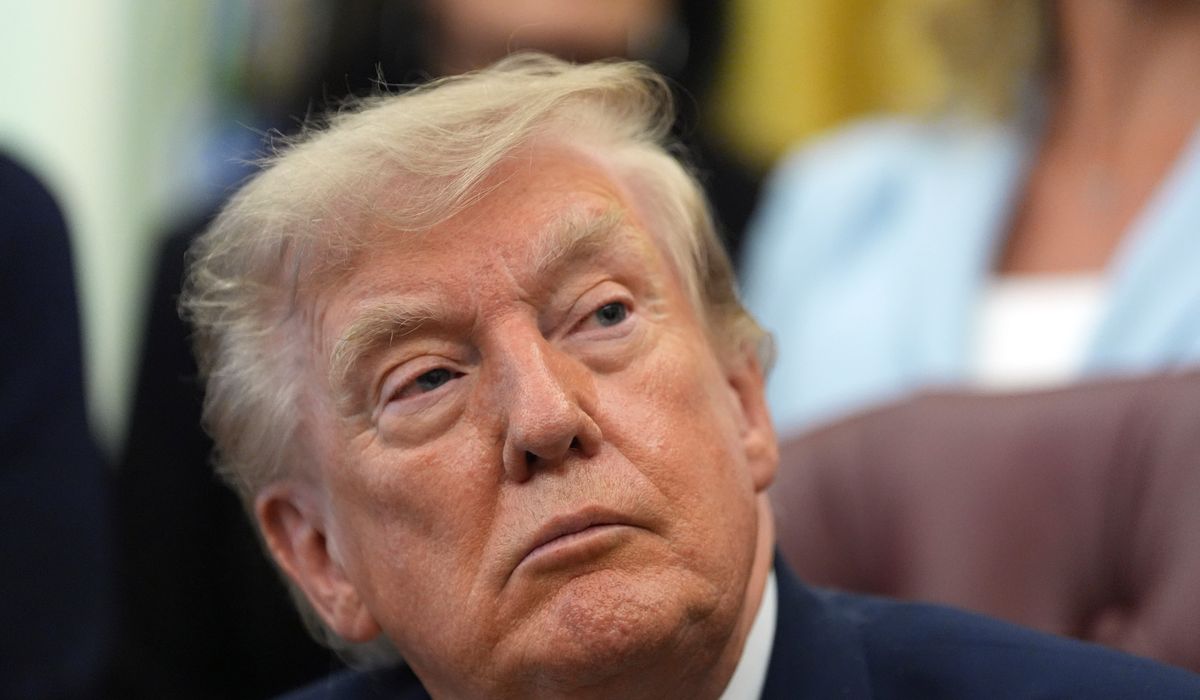
President Trump pushed back after the Justice Department withdrew a proposed $1.8 billion fund meant for people who said they were victims of political prosecutions, expressing clear frustration at the move.
The Justice Department recently pulled back a plan to create a $1.8 billion fund meant to compensate people who claimed they were targeted in politically motivated prosecutions. The decision drew swift criticism from former President Trump, who framed the rollback as another sign that the system is protecting political insiders instead of ordinary Americans. Republican lawmakers and conservative commentators quickly seized on the announcement as evidence of misplaced priorities at the DOJ.
The proposed fund had been pitched as a way to make people whole after what they say were politically driven investigations and prosecutions. Supporters argued it would be a tangible acknowledgment that the legal system had been weaponized against political opponents. Critics on the left said the idea risked rewarding baseless claims and undermining institutional norms.
From a Republican vantage point, rescinding the fund looks like a capitulation to a process that too often shields powerful actors from accountability. Many conservatives see the announcement as one more instance of an establishment that protects itself and punishes outsiders. That narrative fed into broader concerns about unequal justice and selective enforcement.
Trump’s reaction focused on fairness and the need to restore confidence in the justice system. He framed the fund as a necessary step to correct abuse and to reassure Americans that political retribution would not be tolerated. The rescindment, in his telling, signals that powerful interests still get preferential treatment in Washington.
Legal experts were divided on the practical mechanics of such a fund, pointing to questions about eligibility, proof standards, and precedent. Some warned that setting up a compensation program could create a flood of claims and politicize the claims-review process. Supporters countered that careful rules could limit abuses while delivering relief to people genuinely harmed by targeted prosecutions.
The political stakes are straightforward: Republicans can use the rescindment to argue that the current Justice Department does not prioritize accountability for politically motivated actions. That message resonates with voters who feel the system favors connected elites. On the other hand, Democrats and institutionalists warn that creating compensation mechanisms tied to political claims could weaponize policy for partisan gain.
Public trust in justice institutions is a core issue behind the debate, and both sides point to different fixes. Conservatives often press for reforms that increase transparency and hold prosecutors accountable for misconduct. Liberals emphasize safeguards against frivolous accusations and insist on preserving prosecutorial discretion to pursue legitimate crimes without interference.
Whatever the outcome, the episode reinforces how legal decisions now function as political signals. Republican leaders will likely keep pushing for mechanisms that remedy perceived political persecution, while opponents will resist changes they see as partisan payoffs. The conversation will continue to shape messaging and priorities heading into future elections.
At its center, the fight over the $1.8 billion proposal is about competing views of fairness. One side wants concrete restitution for those it says were wronged by politicized prosecutions, and the other worries about undermining legal standards and creating partisan incentives. The dispute will remain a flashpoint as both parties fight to define what justice looks like in a divided country.

