

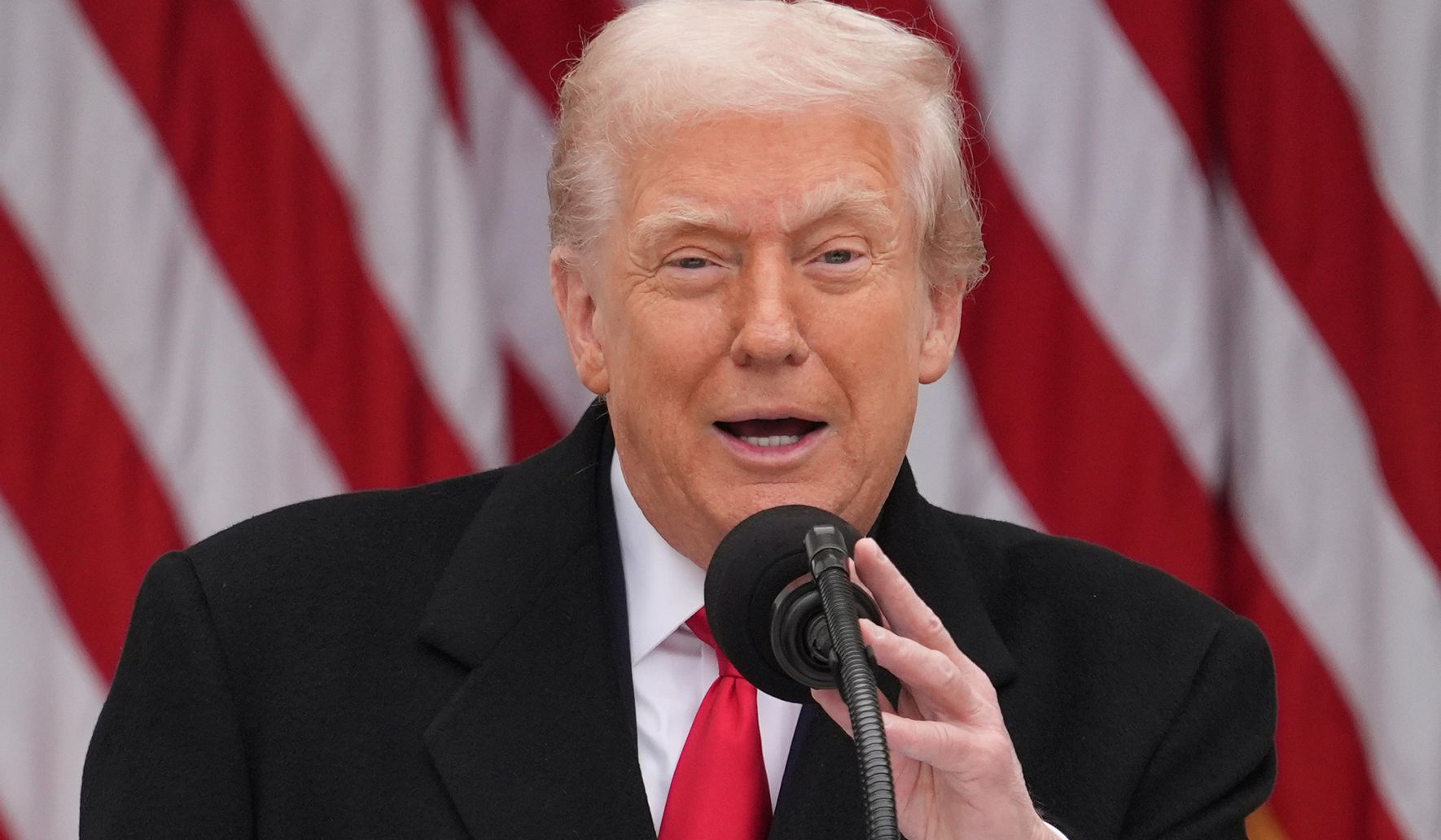
President Trump late Tuesday disputed reports that he wants to temporarily extend enhanced Obamacare subsidies for two years, but he also left the door open to negotiating an extension as part of a broader deal.
Late Tuesday, the president pushed back on coverage suggesting he favored a straight two-year extension of enhanced Obamacare subsidies, while also indicating some willingness to bargain. His statement undercut some headlines but did not slam the door on a compromise that could move Congress. That mix of denial and openness is shaping how lawmakers on both sides read his intentions.
The subsidies in question refer to the temporary enhancements that drove down premiums for many enrollees after a series of federal actions and pandemic-era measures. Democrats want to lock those enhancements in place, arguing people depend on them. Republicans, including many in the president’s orbit, view permanent extensions as costly and prone to expanding entitlement-style spending.
From a Republican viewpoint, the priority should be durable, market-driven solutions that lower costs without creating ongoing fiscal commitments. Conservatives worry a two-year fix can become a longer-term expectation that is hard to unwind. That is why any talk of a temporary extension is met with skepticism unless paired with reforms or offsets that protect taxpayers.
Trump’s choice to dispute the narrative and yet leave room for a deal is a classic negotiating posture: deny the headline to keep leverage, then suggest flexibility to prod Congress toward concessions. For Republicans in Congress, the useful question is what concessions would make a short-term extension acceptable. Lawmakers will test whether guarantees on spending limits, work incentives, or regulatory relief are offered in return.
Practical politics matters here. Democrats see a two-year extension as a straightforward win for voters worried about health costs, while Republicans see risk of long-term spending growth and policy drift. That divide explains the intense back-and-forth and why negotiators keep circling back to how any extension would be paid for. The negotiation is less about the abstract idea of help and more about the long-term rules and fiscal guardrails attached to it.
Republican strategists also point to alternatives they say would deliver better results: targeted subsidies for those truly in need, competition across state lines, and aggressive moves to increase price transparency. They argue those approaches address premiums and access without locking in open-ended federal subsidies. The pitch is that smart reform beats a temporary patch that could become permanent.
On messaging, the president’s stance threads a narrow needle: reassure voters who might benefit from a short-term fix, while signaling to conservative allies that he won’t automatically embrace open-ended spending. That balancing act can satisfy different audiences for a while, but it also raises the stakes for negotiators who must translate vague flexibility into concrete legislative language. Lawmakers will want clarity on timelines, offsets, and whether any extension is paired with structural changes.
Capitol Hill math is unforgiving. A temporary extension may be small politically but large on the ledger unless offsets or reforms are included. For Republicans, maintaining discipline means insisting on budget offsets or policy swaps that limit future liabilities. For Democrats, the political cost of rejecting an extension for low- and middle-income voters could be steep, which gives them leverage to press for a clean extension unless Republicans extract reforms.
The next step will be whether congressional leaders translate the president’s ambiguous posture into a formal bargaining position. Committees will parse legislative language, and negotiators will press for precise terms rather than general promises. That is where the debate over duration, scope, and fiscal treatment will get resolved or break down.
In short, the current stance is a tactical blend: public denial of an outright preference for a two-year extension combined with a hint of willingness to use an extension as bargaining chip. Republicans will push to turn any temporary solution into a vehicle for market-oriented reforms, while Democrats will push to preserve near-term relief for voters. How those forces collide will determine whether there’s a short-term stopgap, a broader compromise, or another stalemate.

