

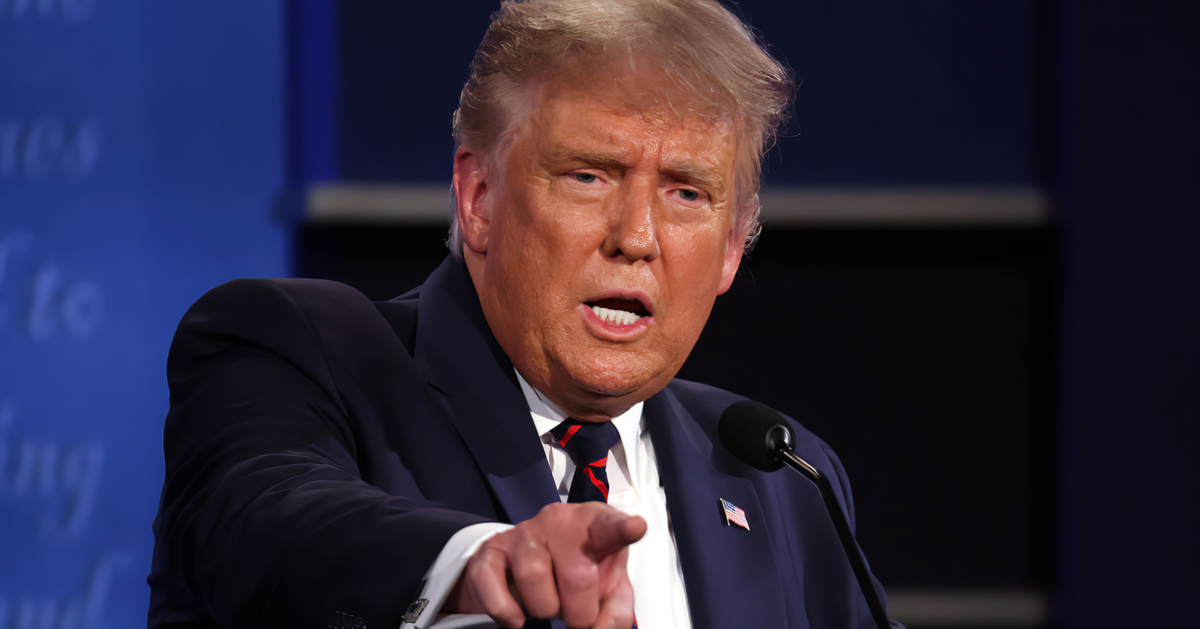
President Donald Trump pulled back a planned federal surge into San Francisco after conversations with local contacts and Mayor Daniel Lurie, surprising Washington and stirring debate about federal intervention in high-crime cities. Trump had already staged a buildup of federal agents and National Guard troops as part of a broader strategy that has been used in other cities with rising crime, and local leaders braced for protests and logistical headaches. The exchange between the president and the mayor, and the involvement of prominent local figures, became the deciding factor in pausing the operation. The move illustrates the tense balance between federal power and local authority when restoring public safety in major cities.
The administration’s push to send extra federal forces reflected a pattern: when city crime spikes, Washington steps in to remove violent actors and drugs off the streets. That strategy has drawn fierce criticism from some city leaders who argue federal troops are unnecessary or heavy handed, while others say swift federal action is the only reliable option to protect residents and businesses. In San Francisco’s case the operation was announced, agents were already en route, and then plans changed after calls and assurances from local officials and business leaders.
In a public post Trump explained his decision and named the people who persuaded him to pause the surge. “The Federal Government was preparing to ‘surge’ San Francisco, California, on Saturday, but friends of mine who live in the area called last night to ask me not to go forward with the surge in that the Mayor, Daniel Lurie, was making substantial progress. I spoke to Mayor Lurie last night and he asked, very nicely, that I give him a chance to see if he can turn it around,” Trump wrote. That line framed the choice as pragmatic and conversational, not a retreat under pressure.
The president also made clear he still believed federal involvement would be faster and more decisive at removing criminals who local law enforcement could not. “I told him I think he is making a mistake, because we can do it much faster, and remove the criminals that the Law does not permit him to remove. I told him, ‘It’s an easier process if we do it, faster, stronger, and safer but, let’s see how you do?'” This keeps the option on the table and underscores the administration’s belief in strong, immediate action where needed to protect neighborhoods.
Trump additionally pointed to a coalition of civic and business leaders saying the city can recover with the right momentum. “The people of San Francisco have come together on fighting Crime, especially since we began to take charge of that very nasty subject. Great people like Jensen Huang, Marc Benioff, and others have called saying that the future of San Francisco is great. They want to give it a “shot.” Therefore, we will not surge San Francisco on Saturday. Stay tuned!” Those names signal the kind of private-sector confidence Republicans often cite as crucial to urban revival.
Local authorities had been preparing for large demonstrations and a heavy enforcement presence once federal assets were announced, so the sudden change required quick adjustments on the ground. City and state agencies had planned crowd control and coordinated with federal partners just in case, and that logistical choreography now needs to be reworked. The pause gives Mayor Lurie breathing room to demonstrate progress while keeping federal options available if problems spike again.
The mayor weighed in publicly about his conversation with the president and stressed a collaborative approach focused on recovery and partnerships with federal law enforcement. “Late last night, I received a phone call from the President of the United States. I told him the same thing I told our residents: San Francisco is on the rise. Visitors are coming back, buildings are getting leased and purchased, and workers are coming back to the office,” he wrote, in part. His tone emphasized optimism and local control as the path forward.
Lurie also outlined areas where federal help would still be welcome while rejecting a military-style response on city streets. “We have work to do, and we would welcome continued partnerships with the FBI, DEA, ATF, and U.S. Attorney to get drugs and drug dealers off our streets, but having the military and militarized immigration enforcement in our city will hinder our recovery. We appreciate that the president understands that we are the global hub for technology, and when San Francisco is strong, our country is strong.” That stance asks for focused federal law enforcement support without full-scale troop deployments.
This episode shows the federal government’s willingness to intervene when cities face spikes in violent crime, and it also shows the political and public-relations pressures that can alter those plans. The president framed his decision as both strategic and responsive to local voices, keeping a national law-and-order posture while deferring to local leadership for a chance to act. Only time will tell if Lurie follows through on his promise to make the city great again.

