

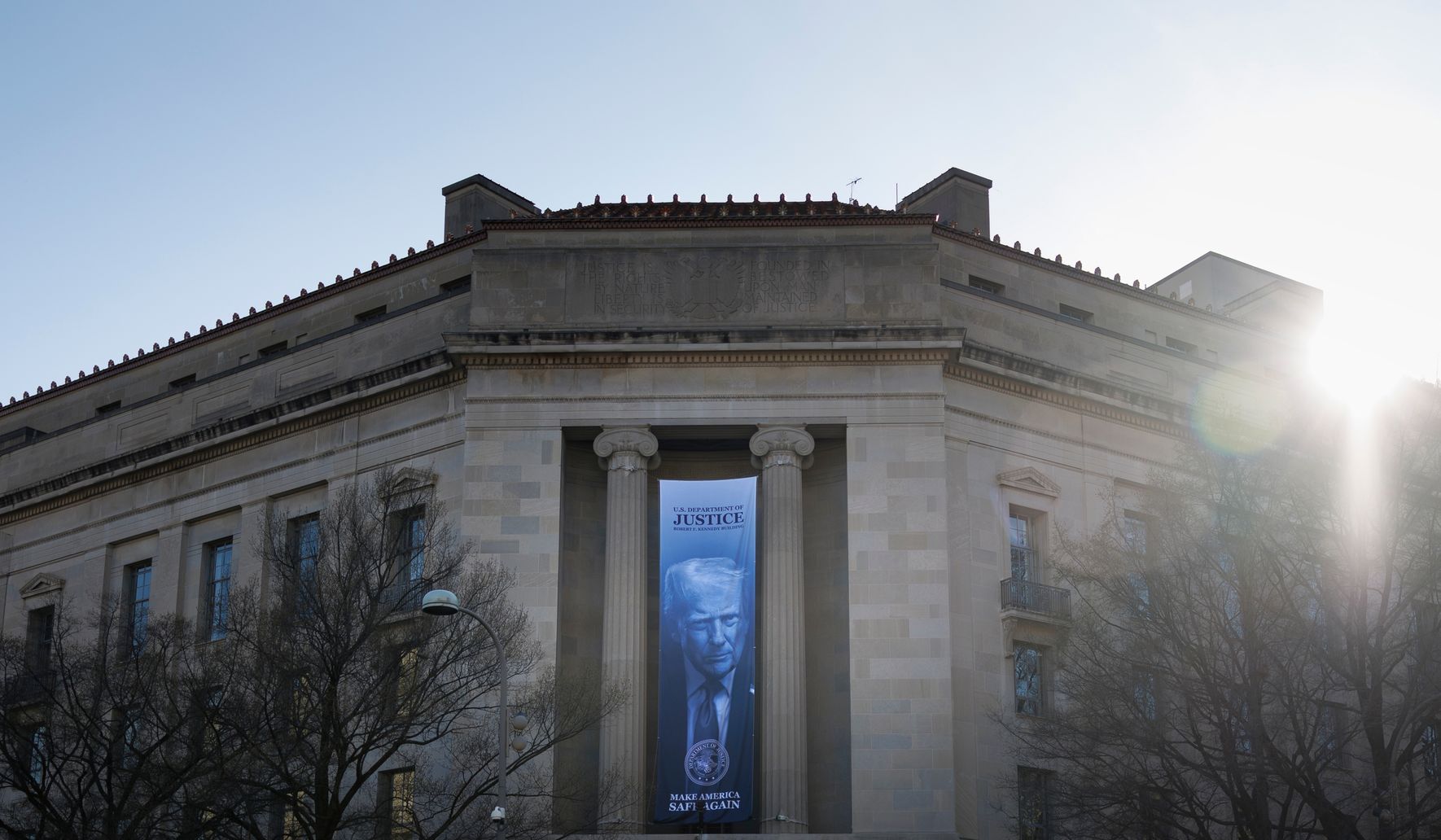
The Justice Department’s recent record shows operational strain and political heat, and the debate over competence and priorities is only getting louder.
From a Republican perspective, the legal stumbles at the Justice Department are not just technical mistakes; they reflect deeper problems of priorities, staffing, and political interference. The department is being pushed into high‑stakes fights at the same time it must keep basic casework moving, and that mismatch creates openings for error. That tension matters because the public expects evenhanded enforcement, not headline-driven chaos.
“The Trump Justice Department has experienced a string of embarrassing legal blunders, raising questions about the department’s capacity to handle its swelling caseload while simultaneously defend” This exact line has been repeated in coverage and it underscores a core point: when the docket grows faster than resources and discipline, mistakes follow. Republicans point to the pattern as proof that leadership and focus matter more than aggressive rhetoric.
One problem is a genuine caseload crunch. Complex investigations, multiple special counsels, and sprawling civil litigation demand senior lawyers, careful staffing, and time for quality control. When politicians push the department into headline cases without matching resources, junior attorneys are put on the front lines and procedural errors become more likely.
Another issue is the politics layered over routine work. Career prosecutors used to long-term, steady practice are now dealing with politically charged assignments and amplified media coverage. That environment invites second-guessing and can produce rushed filings or defensive decisions meant to avoid criticism rather than serve the law.
The types of blunders reported so far are familiar: missed deadlines, poorly supported filings, inconsistent legal positions, and summary judgment errors that give defense teams leverage. Republicans argue these are not isolated slips but symptoms of an office stretched too thin and steered by political calculation instead of sound prosecutorial judgment. Each mistake chips away at the department’s credibility and gives opponents material to argue selective enforcement.
Those consequences are real and practical. Court losses and vacated rulings waste taxpayer dollars and create legal precedents that hamper future prosecutions. From a conservative standpoint, accountability matters: the Justice Department should be a nonpartisan instrument of law, not a political cudgel or a casualty of chaotic case management. That means better oversight, clearer priorities, and personnel choices that emphasize courtroom experience.
Fixes from a Republican angle focus on prioritization and accountability, not theatrics. Narrow the docket to prosecutable core crimes, staff important matters with seasoned trial lawyers, and insulate routine decisions from political posturing. Strengthening internal review processes, enforcing calendaring discipline, and rewarding career performance can reduce the kinds of technical errors that have produced embarrassing headlines.
At the same time, transparency about mistakes matters. A department willing to own errors, correct them fast, and prevent repeats rebuilds trust more effectively than blame-shifting. Observers across the spectrum are watching how leadership responds: will the department learn and reform, or repeat the cycle as caseloads and political pressures keep rising?

