

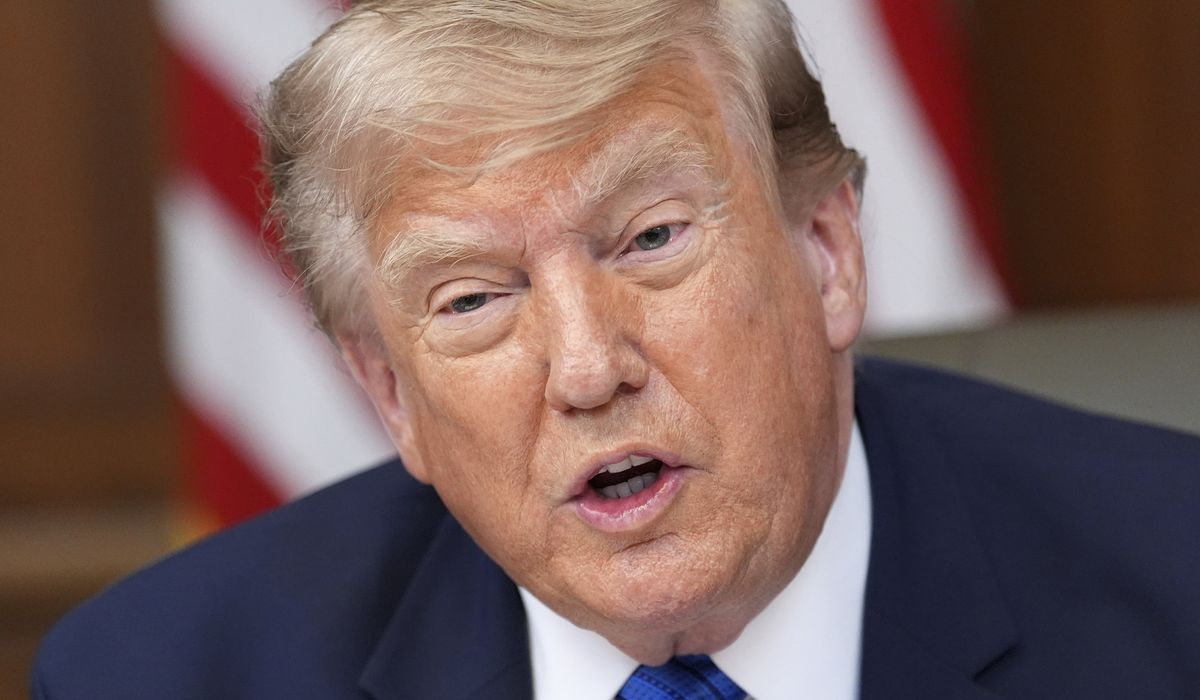
President Trump says his main goal is winning the war against Iran and keeping nuclear weapons out of the regime’s hands, rather than scrambling to revive a ceasefire in the region.
President Trump has made clear he prioritizes decisive victory over tentative pauses in hostilities when it comes to Iran. That focus puts nuclear nonproliferation and dismantling Iran’s ability to threaten the region ahead of negotiating temporary truces. The message is straightforward: stopping a hostile nuclear program matters more than short-term political optics.
From a conservative perspective, strength and clarity beat on-again, off-again diplomacy that leaves bad actors intact. A ceasefire that leaves Iran’s military capabilities untouched would only buy them time to rebuild and export terror. Pragmatic firmness aims to prevent future wars by removing the tools that create them.
This approach underlines a belief that deterrence and decisive actions protect American interests and allies. Keeping nuclear weapons out of Tehran’s hands is framed not as aggression but as prevention of a much larger catastrophe. For those who back this view, the stakes are too high for half measures.
Military readiness, targeted pressure, and intelligence coordination are the tools highlighted by this stance. That means sustaining capabilities that can deny Iran a path to a bomb and degrading its missile and enrichment programs. Smart application of force and sanctions is presented as a methodical way to constrain nuclear ambitions without endless entanglement.
Supporters argue that reviving a ceasefire too quickly undermines leverage that could be used to enforce meaningful constraints. Temporary pauses often let adversaries consolidate gains and mask ongoing threats. The priority, in this view, is to convert battlefield advantage into long-term security outcomes, not temporary headlines.
Backers also point to the need for strong alliances with regional partners who bear the brunt of Tehran’s aggression. A durable security posture includes assisting allies with defense systems, intelligence sharing, and coordinated sanctions. That coalition approach is meant to amplify pressure and make any return to nuclear development costlier for Iran.
Domestic politics play a role in how leaders frame these choices, but the core argument here is strategic, not partisan. Advocates see a clear line between containment and dismantlement, and they prefer policies that aim for the latter. They argue that a policy aiming for total prevention of nuclear capability is a responsible, not reckless, objective.
Critics worry that sidelining ceasefires risks civilian harm or regional escalation, and those concerns are taken seriously even within this viewpoint. The response offered is to pair military pressure with humanitarian planning and strict targeting to minimize collateral damage. Policy proponents emphasize enforcement, oversight, and measures to protect innocent civilians while maintaining pressure on regime capabilities.
Economic and diplomatic levers remain important alongside military steps, and the strategy doesn’t discard them. Sanctions designed to choke off funding for weapons programs and diplomatic isolation are tools used to increase the cost of nuclear development. The mix of measures is positioned as comprehensive: military denial backed by economic and diplomatic pressure.
Messaging matters as much as the actions themselves in this framework, because clarity deters miscalculation. A consistent, unambiguous position reduces the chance that adversaries will test limits or misread resolve. That clarity is presented as both a domestic and international stabilizer.
In short, this stance favors a forward-leaning strategy to prevent nuclear proliferation by constraining Iran’s capabilities rather than pursuing a ceasefire that could leave those capabilities intact. The argument is framed around preventing a greater threat before it materializes, using all tools available to deny Iran a nuclear weapon. The emphasis remains on outcomes that secure long-term peace through strength and deterrence.

