

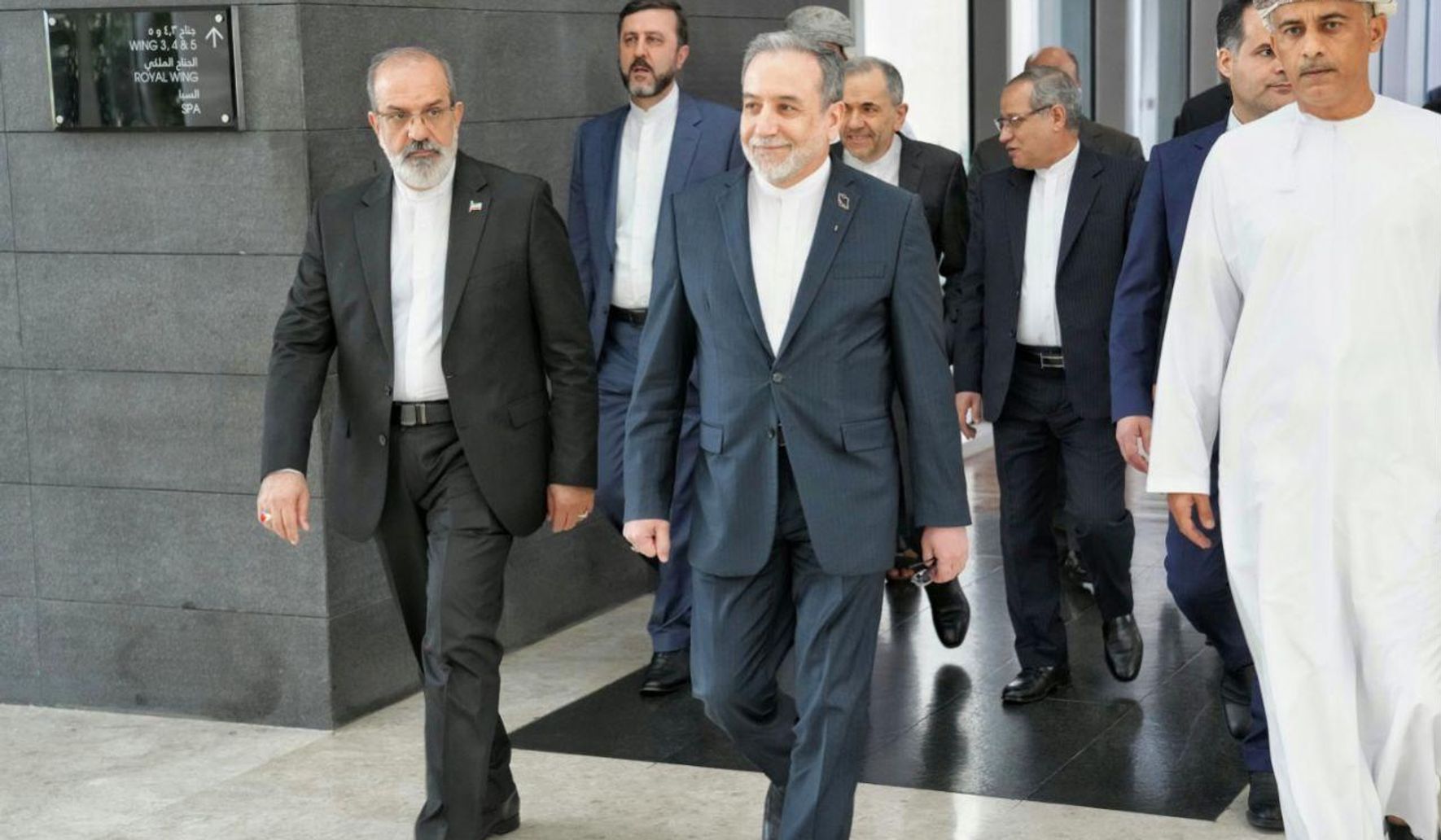
The Trump administration is sanctioning parts of Iran’s energy sector while talks over Tehran’s nuclear ambitions unfold in Oman.
The Trump administration is sanctioning parts of Iran’s energy sector while talks over Tehran’s nuclear ambitions unfold in Oman. That simple, factual line sets the scene: pressure and diplomacy running in parallel. What matters now is whether Washington keeps leverage while diplomats sit at the table. Republicans insist pressure must stay in place so talks don’t become a retreat.
Sanctions aimed at Iran’s energy sector are meant to squeeze the regime’s chief revenue streams without launching military action. Lawmakers and strategists on the right see this as the responsible, targeted way to force Tehran into meaningful concessions. It’s hard-nosed and straightforward: cut the money, constrain the program, keep America safe.
Oman plays a quiet but critical role as a host and intermediary for conversations that the Biden administration has tolerated the optics of. That role is useful, but it does not substitute for firm U.S. policy. Republican voices argue the United States should not trade away leverage for the sake of a photo op in Muscat.
History shows authoritarian regimes can use talks to buy time and evade pressure, and Iran has been skilled at exploiting diplomatic breathing room. That is the core Republican worry: diplomacy without teeth becomes a delay tactic. So the sanctions are intended to stay until inspectors and verifiable actions demonstrate real change.
There is a practical side to keeping sanctions in place while talks continue. Financial pressure limits Tehran’s ability to fund regional proxies and develop sensitive programs. Lawmakers argue any easing should be conditional, phased, and tightly monitored rather than broad-based relief handed over in exchange for vague promises.
Those who favor a tougher posture also remind the public that verification matters more than headlines. Inspections, intrusive monitoring, and penalties for cheating are the non-negotiables. The alternative is risk: a deal that lifts pressure and leaves the same threats intact with a new deadline.
For Republicans, the strategy is simple: use diplomacy, but do not remove the tools that bring Iran to the table. Sanctions are leverage, not punishment for its own sake, and should be wielded as long as Tehran resists verifiable limitations. That keeps options open and avoids a faux peace that merely postpones another crisis.
Oman’s diplomacy can help bridge communication gaps and lower the temperature enough for negotiators to talk specifics. Still, intermediaries are most effective when the principal parties retain the ability to enforce consequences. The U.S. must coordinate with partners while insisting on standards that are measurable and enforceable.
Watch for how Washington balances economic pressure with any incentives it might offer to secure nuclear constraints. The coming weeks will show whether sanctions remain a negotiating chip or get traded away for promises. Republicans will be watching closely, pushing for clear verification and no blank checks.

