

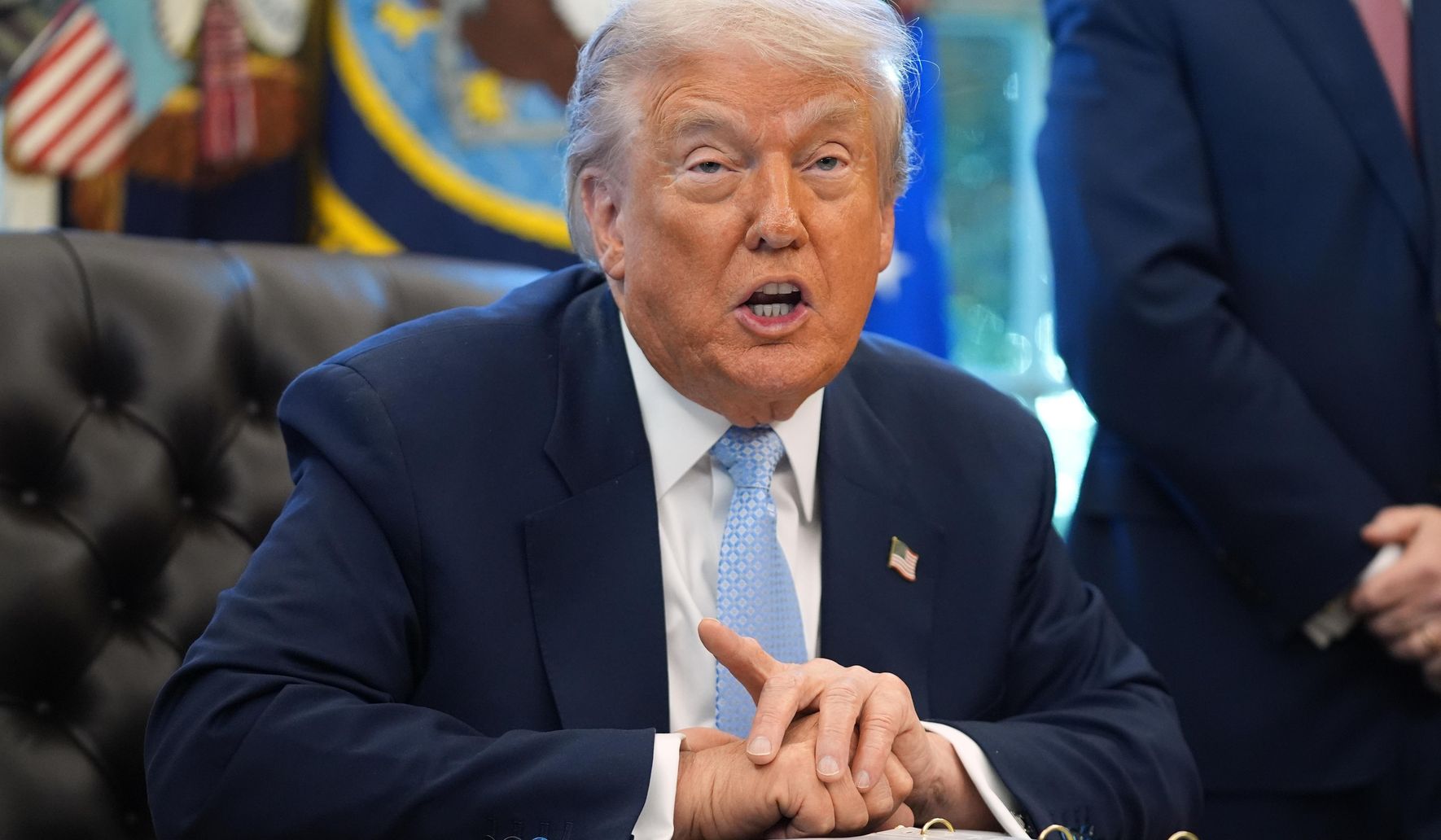
President Trump signed the bill Wednesday evening that forces the Justice Department to release all the files it has from its investigation into deceased sex offender Jeffrey Epstein’s sex traffi. The move puts federal documents into the open and aims to answer long-standing questions about who knew what and when. Supporters say it’s a win for transparency and for victims who have waited for accountability.
The president’s signature, delivered Wednesday evening, requires the Justice Department to turn over records tied to the federal probe of Jeffrey Epstein, the now-deceased sex offender. For years those files sat under tight control inside the federal bureaucracy, sparking suspicion and frustration among lawmakers and the public. This law forces a rare lift on federal secrecy, and it does so at the direction of the White House.
On the right, the reaction was immediate: this is a tangible example of using the power of the presidency to pry open opaque institutions. Conservatives frame the release as necessary oversight that restores trust in federal law enforcement. The argument is simple — sunlight is the best disinfectant when it comes to allegations that involve high-profile figures and federal agencies.
Critics warned that the move could complicate ongoing inquiries and risk exposing sensitive investigative techniques, but backers counter that the public interest in transparency outweighs those concerns. The new law includes procedures for handling classified or sensitive material, while still prioritizing disclosure. That balance was pitched as a practical solution to a political problem that had dragged on for years.
Victims’ advocates welcomed the decision, saying access to documents can validate survivors’ accounts and help ensure justice moves forward. For many who suffered, the files hold names, timelines, and connections that could explain how abuse went unchecked. Republicans emphasize that this step is about victims and accountability, not partisan theater.
From a policy perspective, the change also forces a reckoning inside the Justice Department over its record-keeping and its approach to sensitive probes. Lawmakers from both sides have raised questions about past plea deals and prosecutorial discretion in Epstein-related cases. The release pushes those conversations into the open, where voters can see the factual record and judge for themselves.
Legally, the mechanism used to compel the documents is straightforward: Congress authorized release, the president signed, and the department must comply with statutory deadlines. That process underlines a basic feature of our system — elected officials can demand transparency when necessary to protect the public interest. Republicans argue this is an appropriate check when federal agencies are perceived to have failed in their duties.
The political optics are also clear. For the president, signing the bill lets him be seen as taking action on a scandal that damaged public confidence. For conservative lawmakers, it’s a moment to press an advantage on accountability and to show voters they will fight secrecy in Washington. The story resonates with voters across the map who distrust entrenched institutions.
Operationally, releasing the files will take time and careful review to strip genuinely sensitive content while preserving key evidence and records. Teams inside the Justice Department will have to sort classified material from documents that belong in the public record. The expectation from the right is that most of the core investigative materials will become available and that the public will finally get a clearer picture.
Whatever the immediate fallout, the signature changes the landscape for future oversight of federal investigations. It establishes a precedent that Congress and the president can work together to demand transparency. For Republicans, that precedent strengthens the case that institutions must answer to the public and that no probe should be shrouded indefinitely in secrecy.
There will be legal challenges and political spin from all directions as files emerge and the details land in the press and on Capitol Hill. Still, supporters on the right view this as a corrective step — a limited but meaningful move toward accountability in a case that raised so many questions for so long. The administration made a deliberate choice to make records public, and that decision will shape how the Epstein story is understood going forward.

