

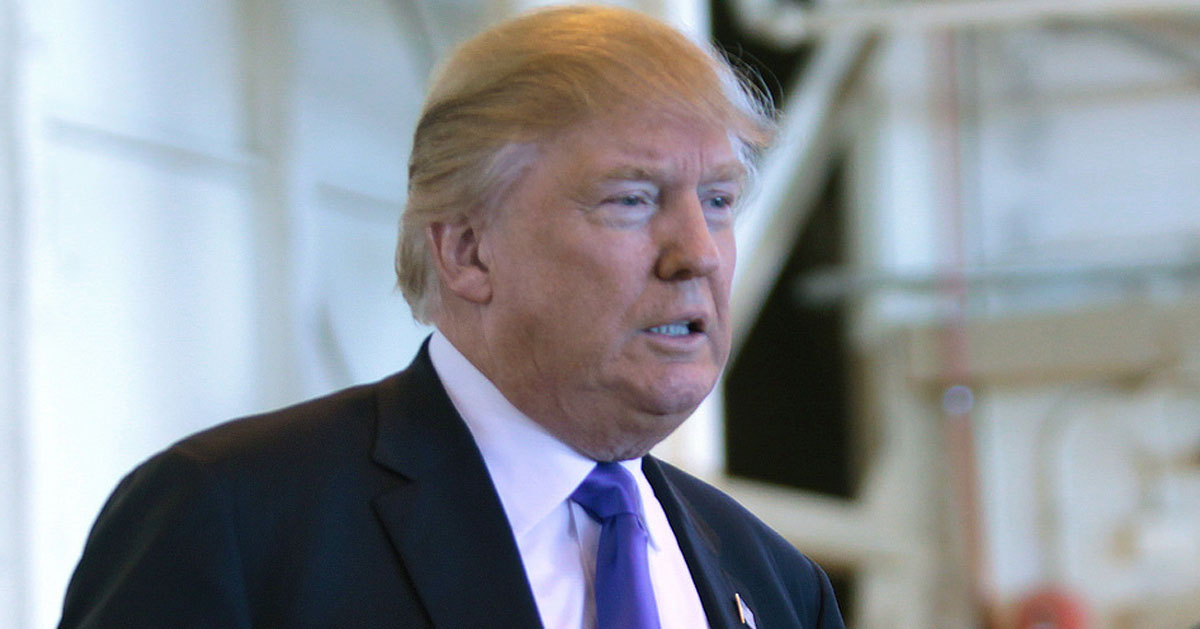
President Trump publicly rebuked Treasury Secretary Scott Bessent over his support for Federal Reserve Chair Jerome Powell, threatened to remove him if the Fed didn’t move on interest rates, and used the U.S.-Saudi forum to tout large investments and a major AI partnership with tech leaders.
President Trump didn’t hold back at the U.S.-Saudi Investment Forum in Washington, calling out his own Treasury Secretary over a dispute about the Federal Reserve’s direction. The moment followed a black-tie dinner that honored Crown Prince Mohammed bin Salman and unfolded at the John F. Kennedy Center for the Performing Arts. It was part policy jab, part theatrical reminder that Trump still leads on kitchen-table economic issues. He mixed forceful rhetoric about the Fed with big-picture deals on trade and technology.
In public remarks, Trump zeroed in on Scott Bessent’s reported support for Jerome Powell, a stance the president plainly dislikes. “The only thing Scott’s blowing it on is the Fed, because the rates are too high, Scott, and if you don’t get it fixed fast, I’m going to fire your ass, OK,” Trump declared, making clear where he stands. The line landed like a gauntlet thrown down in front of the economic team. Bessent reportedly smiled, but the message was unmistakable.
Trump has long painted Powell as the person responsible for stubbornly high interest rates and slow improvements on inflation, even calling him “grossly incompetent.” That critique plays directly to voters worried about affordability and everyday expenses, an area where Trump always aims to resonate. He emphasized practical impacts, pointing to falling core inflation and noticeable price shifts at major retailers. Those are the tangible numbers he wants linked to his economic agenda.
The president highlighted recent economic signals while reminding the crowd how these issues affect ordinary families. He pointed out that core inflation has dipped below 2.7% since he took office and noted Walmart’s reported 25% cut to a standard Thanksgiving meal compared to last year. Those specifics were used to frame his argument that smart, results-focused leadership delivers relief at the grocery shelf. It’s a simple message meant to connect policy to the bills people pay.
The forum also doubled as a diplomatic stage, with Trump meeting Crown Prince Mohammed bin Salman in the Oval Office before the forum. “We have [an] extremely respected man in the Oval Office today, and a friend of mine for a long time,” the president said, signaling a pragmatic foreign policy posture. He stressed mutual interests and emphasized a willingness to engage where American jobs and security stand to benefit. That approach ties diplomatic courtesies to concrete economic outcomes.
At the forum, Trump touted what he described as a massive investment pledge from Saudi Arabia, using the event to highlight trade and strategic alignment. He framed the relationship as one that can unlock large-scale capital flows and bilateral projects. The audience saw this as both diplomacy and an economic play, with Washington as the backdrop for deals that could bring U.S. industry growth. For Trump, these moments are proof that global ties must deliver American advantage.
Tech leaders took center stage alongside the political theater, with figures like Elon Musk and Jensen Huang discussing an ambitious AI project tied to Saudi investment. The announcement of a 500-megawatt AI initiative signaled heavy industry interest in next-generation computing and energy investments. Apple’s Tim Cook and others showed up to underline the business seriousness of the forum. The mix of tech muscle and capital commitments was meant to show America still attracts the world’s biggest bets when leaders focus on growth over ideology.
Musk offered a provocative line about the future, saying “money will stop being relevant,” a comment that dovetails with big-tech visions of transformative systems. Such forecasts read as bold and speculative, but they also underscore why public-private partnerships matter. Trump used the presence of tech CEOs and sports stars to emphasize results and innovation without what he sees as unnecessary cultural preening. The overall tone pushed growth, competitiveness, and plain results as the criteria for success.
This event left two clear takeaways: the president will make his economic priorities known in dramatic fashion, and he expects his team to align quickly. A public rebuke of a cabinet official over monetary policy is rare, but it signals urgency from the White House on interest rates and inflation. At the same time, the investment and AI announcements aim to show leadership that pairs diplomacy with deal-making. The Washington stage delivered both a warning shot and a pitch for American-led innovation in a competitive world.


1 Comment
The anti-Trump contingent in this Federal government remain a LARGE number that will continue to stymie President Trump’s agenda! The DEEP STATE is yet alive and well, and built up over decades cannot be eliminated in a single presidential term, sadly.