

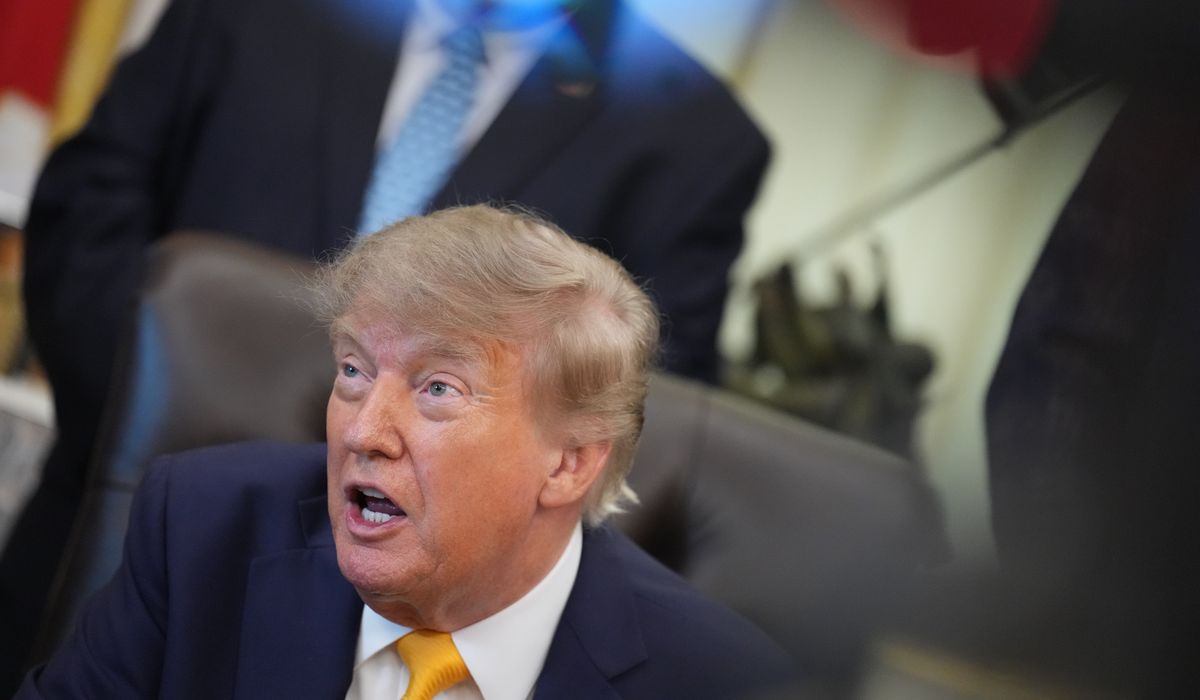
President Trump is mobilizing a major financial effort for the midterms, signaling aggressive backing for Republican candidates and a determined push to shape the upcoming electoral map.
President Trump plans to spend up to $500 million from his political action committee to boost Republican candidates in midterm elections. That line sits at the center of what promises to be a defining resource surge for the party as it heads into a contested cycle. The size of the commitment alone changes the terrain for Republican campaigns, giving them a fundraising and messaging advantage in key states.
This investment is more than money; it is a message. It tells donors, activists, and rank-and-file voters that there will be heavy support behind candidates who back the agenda and leadership aligned with Trump. For many Republicans, that backing reduces uncertainty and raises the stakes for how campaigns plan their outreach and infrastructure.
What to expect is a concentrated flow of ads, targeted mail, and get-out-the-vote operations focused where margins are tight. That kind of coordinated push typically shifts resources away from safe seats and toward battleground districts and states. Voters in those places will see a lot of spending aimed at persuading undecided voters and turning out base supporters.
The political calculation here is simple: leverage a big war chest to protect incumbents and flip seats where the map favors a GOP pickup. Strategists on the Republican side will use data to decide where each dollar can do the most work. This approach also forces opponents to match spending or cede ground, creating pressure on Democrat fundraising networks and campaign plans.
For candidates, the presence of a major PAC-funded effort can influence messaging choices. Many will feel freer to adopt tougher positions knowing the PAC can supply rapid-fire support for ads and field operations. At the same time, campaigns must remain responsive to local issues while aligning enough with national themes to earn that backing.
Critics will frame the spending as an attempt to buy outcomes, but politics has always been about resource allocation and influence. From a Republican vantage point, this is simply effective politics: marshal resources, focus on the map, and win the contests that matter. It also helps build a durable platform to push policy priorities through whichever officials win their races.
In the end, the presence of this funding reshapes the competitive landscape for the midterms and forces both parties to adapt. Candidates and donors will be watching how money is spent and where it lands, and grassroots activity will be equally important in turning financial muscle into votes. The campaign season that follows will test how well that capital converts into seats and tangible political gains for those who back it.

