

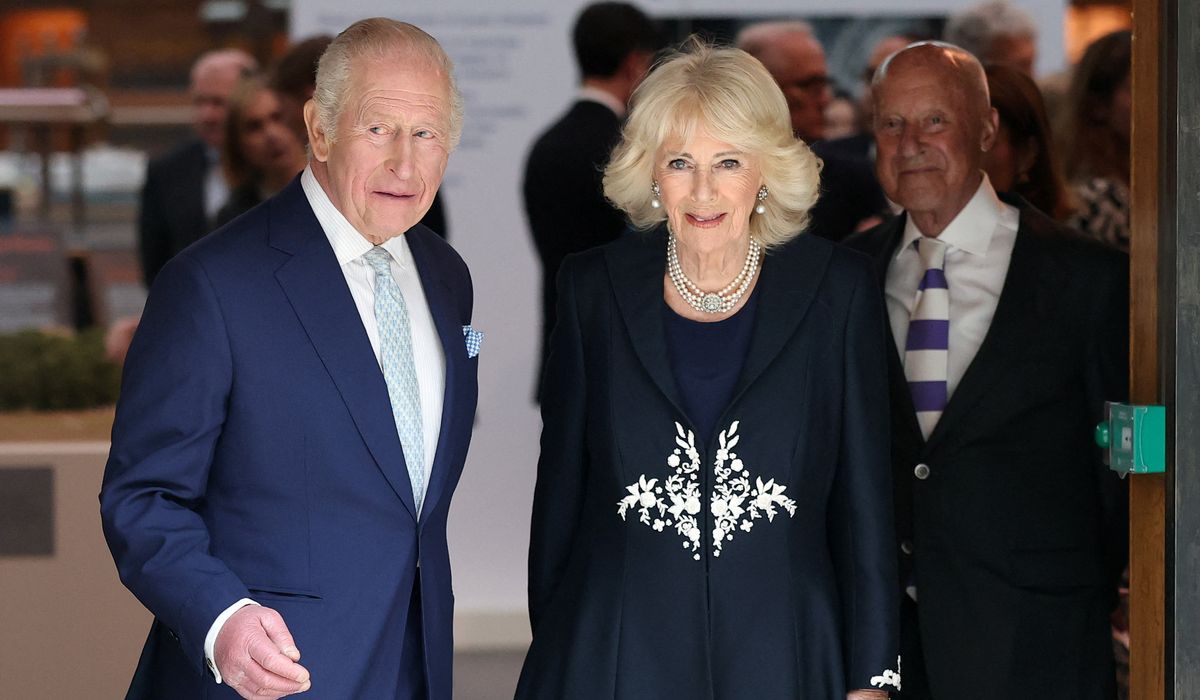
President Trump is set to host King Charles III at the White House on Monday for a formal state visit, a high-profile diplomatic moment occurring while tensions are reportedly high on several global fronts.
The state visit brings a centuries-old alliance into a modern, messy world. It is a chance to show respect for tradition while making clear that American interests come first. The White House will use the occasion to underline shared values and practical cooperation between the two nations.
For Republicans, a state visit like this matters because it projects strength and stable leadership. Hosting a reigning monarch reinforces the idea that America remains a central player on the world stage, not a passive actor. The ceremony and meetings reinforce routines of diplomacy that benefit trade, security, and cultural ties.
Tensions around the globe make timing important, not ceremonial. Challenges from revisionist powers, regional conflicts, and economic competition are all part of the backdrop for high-level talks. Bringing allied leaders together now lets the United States coordinate policy and present a united front where it counts.
Substantive topics at a visit like this typically include defense cooperation, intelligence sharing, and trade relations. Strong Republican policy tends to favor deals that protect American jobs and reduce unfair competition. Expect discussions aimed at strengthening supply chains, improving joint military readiness, and ensuring that alliance commitments are clear and enforceable.
The optics of a state visit also matter to domestic audiences. Conservative voters often respond positively when leaders demonstrate control of foreign policy and respect for longstanding alliances. Demonstrating the ability to host and negotiate at the highest level helps shape perceptions of competence and national purpose.
State ceremonies come with predictable theater: formal dinners, honors, and public pageantry. Those moments are useful for signaling unity without giving away negotiation leverage. Real outcomes come from the private meetings where priorities are set, text is exchanged, and pledges are made or clarified.
Certain critics will cast any friendly meeting as mere photo-op or distraction, but diplomacy is rarely just symbolism. It is a tool that, when used by people who prioritize national interest, leads to enforceable commitments and better coordination. The key is to focus on measurable results: concrete security arrangements, clear trade understandings, and reciprocal commitments that respect sovereignty.
Expect the visit to produce joint statements and coordinated actions rather than sweeping new treaties overnight. Watch for agreements on defense collaboration, export controls, and mutual support in international institutions. Those are the kinds of outcomes that protect American interests while keeping critical partners aligned in a volatile world.

