

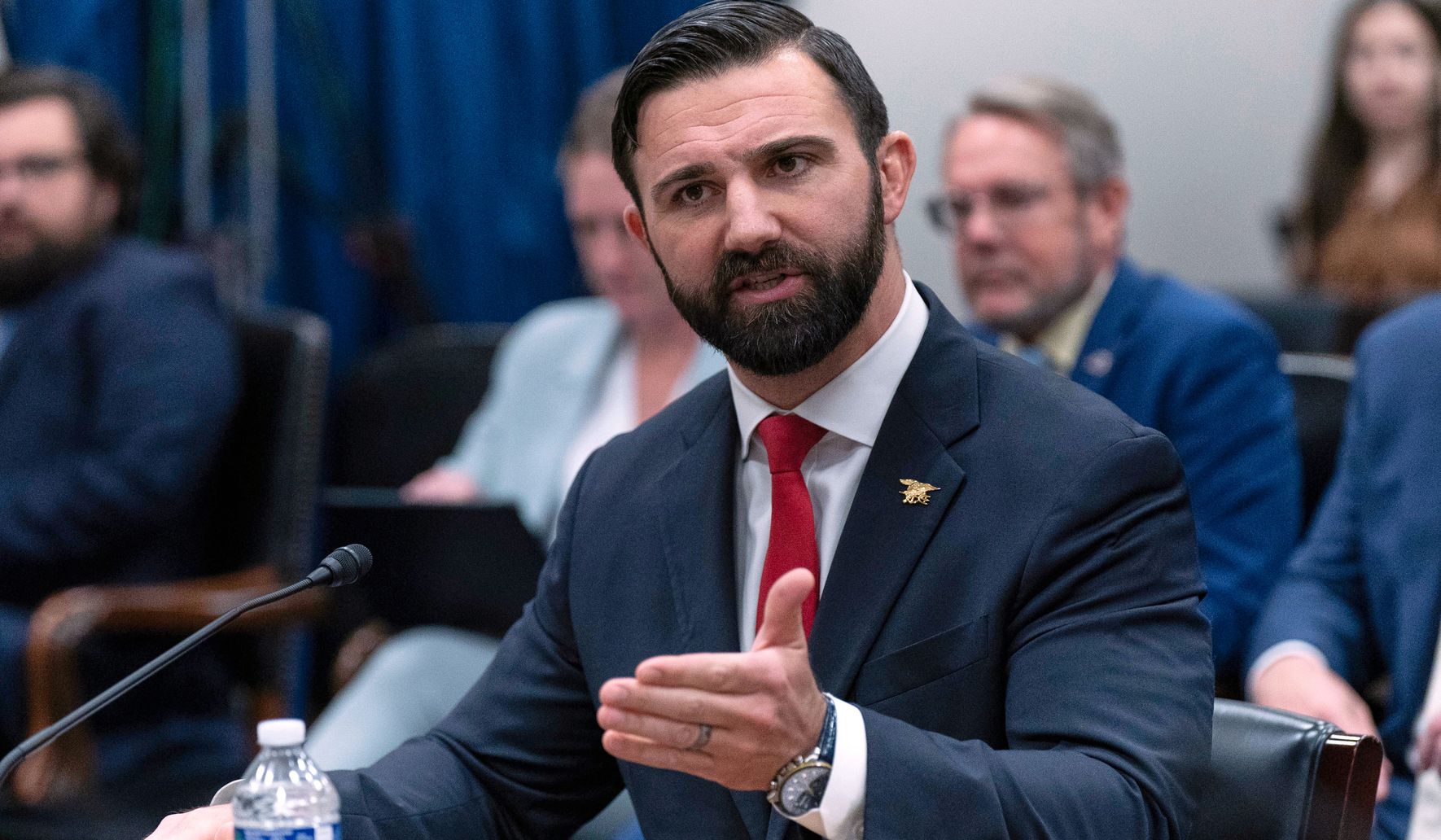
President Donald Trump intends to nominate Cameron Hamilton, a former U.S. Navy SEAL who was removed from his role as the Federal Emergency Management Agency’s acting leader last year, to lead FEMA in a permanent capacity.
Cameron Hamilton’s background as a Navy SEAL is central to why the White House is moving forward with this nomination. The administration sees his service record and operational experience as assets for an agency that responds to crises and needs decisive leadership. Supporters argue that a commander’s mindset — mission first, clear chains of command — translates well to disaster response and recovery. That emphasis on results feeds into the case for making his role official.
His prior stint as FEMA’s acting leader ended with the administration removing him from the post last year, a fact that has drawn attention as the nomination goes public. Republicans sympathetic to the president have framed that removal as a short-term personnel move rather than a reflection of his competence. They point to the rough-and-tumble nature of Washington personnel shifts and argue that experience gained on the job matters more than internal politics. This nomination is being presented as a correction that puts an experienced operator back where he can be effective.
The nomination process itself will spotlight what Republicans consider a common-sense approach to federal management: hire people who know how to lead under pressure. Cameron Hamilton’s military service is likely to be emphasized at hearings as proof he can manage logistics, coordinate with state and local partners, and make quick, high-stakes decisions. Supporters say this background is precisely what FEMA needs after years of bureaucratic drift. The point will be that a leader who has run teams in conflict zones can bring urgency and discipline to disaster relief.
Expect questions from opponents about the circumstances of his removal and whether any policy or leadership conflicts preceded it. From a Republican vantage, those questions should be seen as routine and manageable. The core argument will be that the job requires someone who will cut through red tape and prioritize getting help to people who need it. Hamilton’s defenders will push the narrative that his operational instincts are the right fit for FEMA’s mission.
There will also be practical discussions about the agency’s priorities under a Hamilton-led FEMA: improving response times, streamlining grants and reimbursements, and strengthening coordination with governors and local officials. Republicans pushing for the nomination will stress accountability and fiscal responsibility as key themes. They will say FEMA should be outcome-focused and that tight management can reduce waste while improving speed and effectiveness. That framing ties the military-style leadership argument to everyday results for communities hit by disasters.
Political dynamics in the Senate matter, and Republican senators who back the president will play an important role in moving a nomination forward. Messaging will focus on competence, service, and a no-nonsense approach to emergency management. GOP supporters will also emphasize bipartisanship in practice: when storms hit, state leaders of both parties want efficient federal help. Presenting Hamilton as someone who delivers results across party lines strengthens the administration’s case.
Critics may allege that bringing back someone who was previously removed raises questions about judgment or process. From a Republican perspective, those critiques are often cast as part of regular political fights rather than disqualifying concerns. The counterargument is straightforward: removal does not automatically equal failure, and the administration is placing a premium on proven leadership and mission focus. That is the thread Republicans will pull on during confirmation debates and in public messaging.
If confirmed, Hamilton would face immediate operational tests — hurricane season, flood seasons, wildfire responses, and other big events that define FEMA’s work. The nomination signals that the administration wants a leader comfortable with fast, decisive action and willing to push the agency toward measurable improvements. Republicans making the case will argue that a disciplined, mission-driven leader can restore competence and responsiveness to an agency critical to national resilience.

