

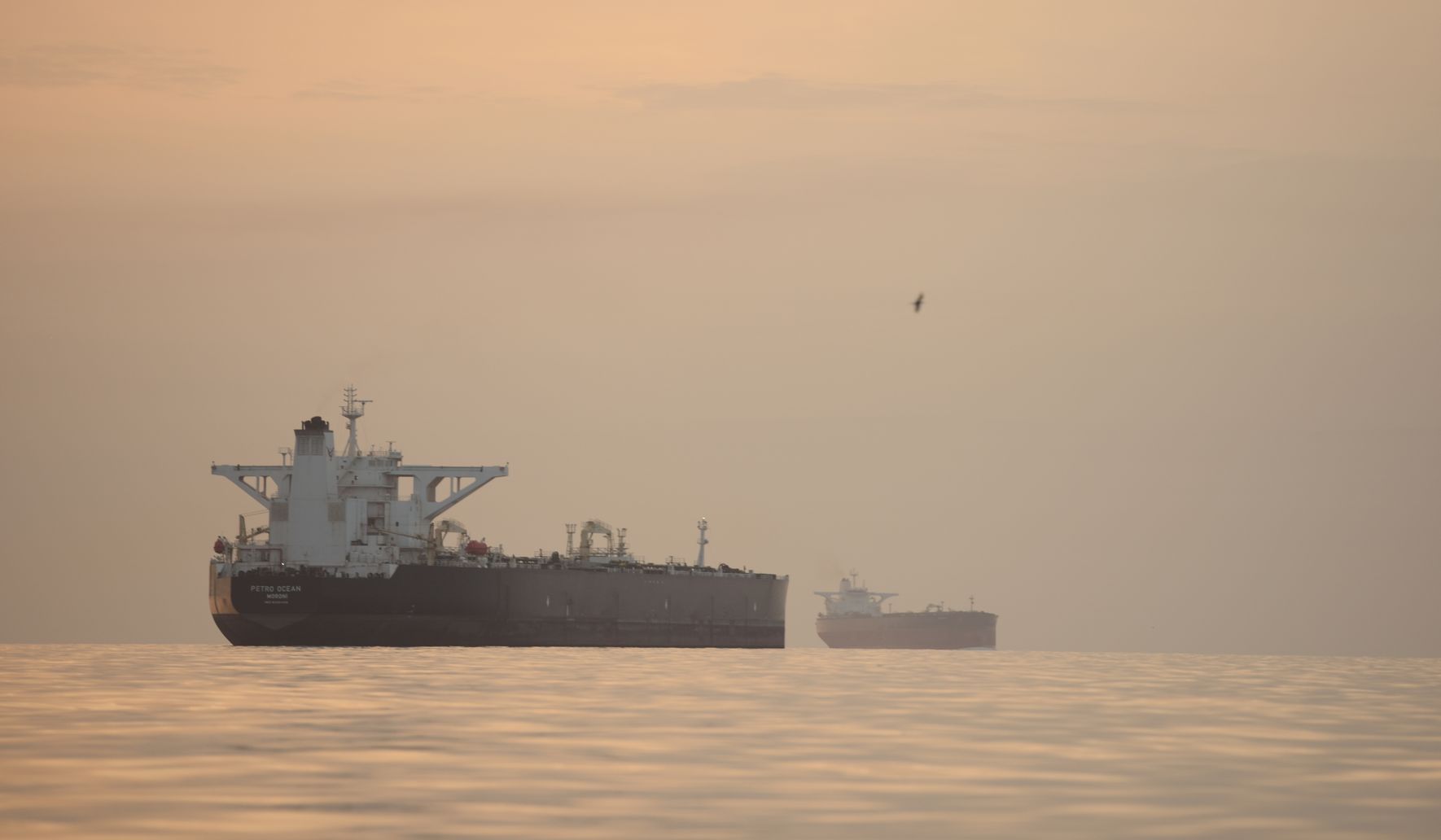
President Trump announced a U.S. Navy interception of an Iranian-flagged cargo ship, signaling firm enforcement of the naval blockade in the Strait of Hormuz and a clear message that the United States will protect shipping lanes and pressure Tehran to follow international rules. The action reflects a posture of strength at sea and a commitment to defend commerce and allies, carried out by capable sailors and commanders. This incident underscores the administration’s effort to leverage naval power to back policy and sanctions aimed at curbing Iran’s destabilizing behavior.
“U.S. President Trump announced Sunday that the U.S. Navy intercepted an Iranian-flagged cargo ship attempting to maneuver around the naval blockade in the Strait of Hormuz.” The statement was terse and to the point, leaving little doubt about who was in charge. Keeping maritime choke points secure has never been optional for American leadership.
The Navy’s interception came after intelligence and routine patrols picked up the vessel’s movements near a sensitive shipping lane. Interceptions like this are tactical moves with strategic consequences, stopping potential violations of sanctions and preventing goods from reaching hostile hands. The presence of a blockade in the Strait of Hormuz makes the waters a focal point for global commerce and geopolitical tension.
From a conservative perspective, decisive naval action is the right response to attempts to skirt international pressure. Iran has repeatedly tested international resolve, and letting such maneuvers go unchecked would invite more brazen behavior. By acting, the United States enforces its policy without launching wider conflict, showing restraint backed by readiness.
Operationally, intercepting a cargo ship takes planning and discipline, with sailors boarding, checking manifests, and ensuring safety for everyone on board. That process protects innocent mariners while isolating those who try to exploit neutral flags or ambiguous ownership. The Navy’s routines and rules of engagement are designed to minimize escalation while accomplishing the mission.
Politically, this incident highlights the administration’s dual approach: apply pressure through sanctions and enforce those measures with military presence when necessary. This keeps maximum leverage on the negotiating table without immediate recourse to ground war. Supporters argue this is the smart way to keep Iran contained while buying time for diplomatic and economic tools to work.
There are practical economic stakes as well, since disruptions near the Strait of Hormuz can spike oil prices and unsettle global markets. A secure passageway for commercial shipping is vital for allies and American businesses alike. Ensuring free and safe navigation is both an economic priority and a national security obligation.
Domestically, the interception reinforces a message to voters that the administration will act to defend American interests and allies. It also honors the men and women in uniform who carry out difficult missions under pressure. In the months ahead, expect continued watchfulness in the region and public emphasis on deterrence backed by action.

