

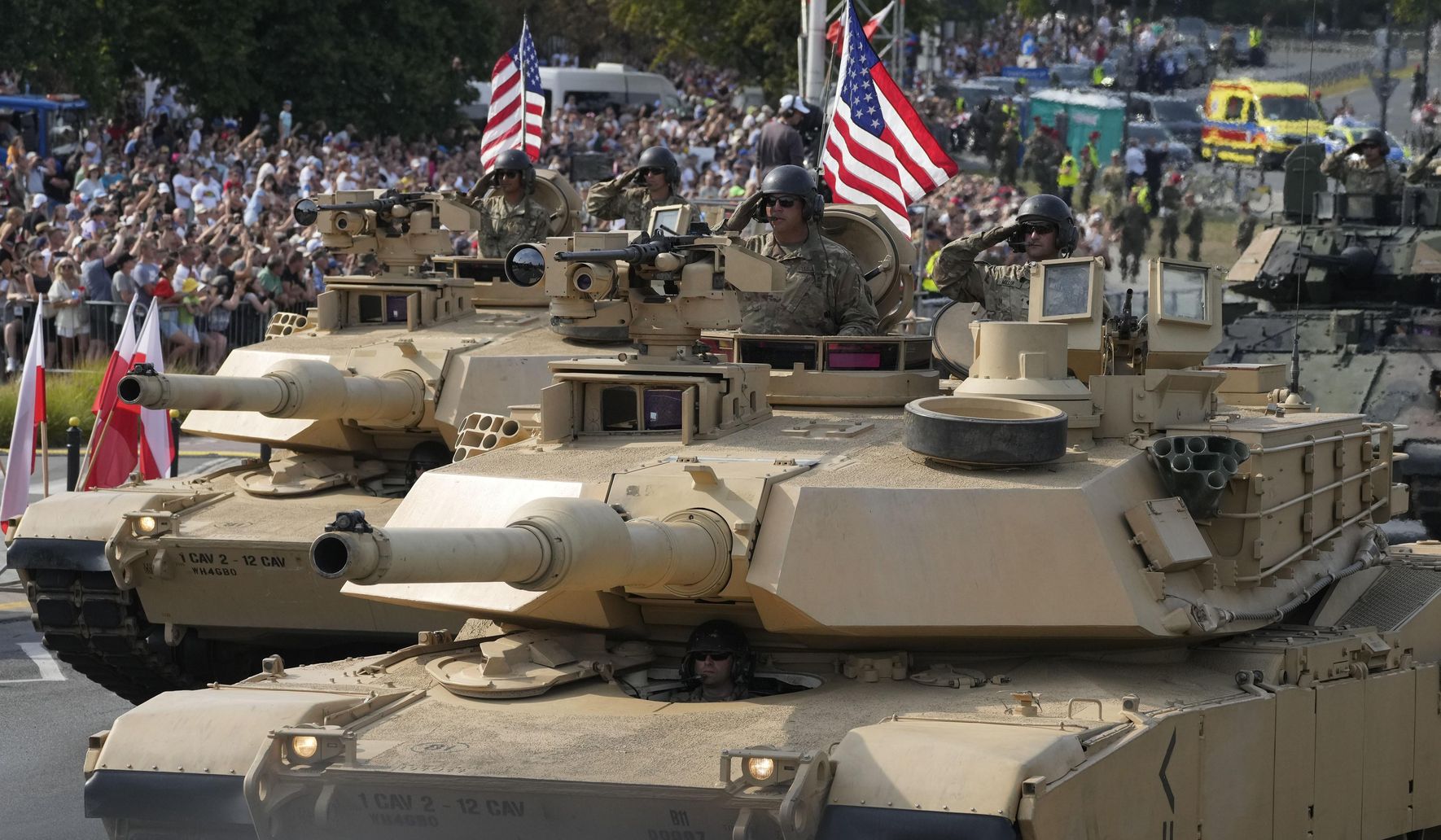
President Trump has said he will withdraw far more than 5,000 American troops from Germany, a move that has stirred a public clash with German Chancellor Friedrich Merz and widened divisions inside the Republican Party over America’s military footprint abroad.
President Trump has vowed to remove far more than 5,000 American troops from Germany, framing the decision as a correction to decades of uneven burden-sharing. The announcement has turned a routine force posture review into a headline-grabbing diplomatic dispute. That shift underscores how troop placements have become political leverage in Washington and with allied capitals.
The core argument driving the move is simple: allies must shoulder a fairer share of defense costs and commitments. From this perspective, long-term stationing in relatively secure NATO capitals looks less like deterrence and more like an open-ended subsidy. The message to partners is blunt: invest more or expect recalibration of U.S. forces.
German Chancellor Friedrich Merz responded publicly, and the exchange quickly went beyond polite diplomatic notes into a feud that grabbed attention on both sides of the Atlantic. For Republicans who prioritize strong defense budgets and clear commitments, the tone of the dispute is a feature, not a bug; pressure can produce faster results than quiet diplomacy. Still, the spat risks alienating key European partners at a delicate time for transatlantic coordination.
Inside the GOP, reactions are mixed and revealing. Some lawmakers applaud a tougher stance that forces allies to step up, seeing it as long overdue enforcement of NATO burden-sharing. Others worry the pullout could weaken deterrence and hand a propaganda victory to adversaries. That split highlights a broader tension in conservative circles between strategic restraint and sustained forward presence.
Operationally, shifting thousands of troops is not a light switch; it requires logistics, base agreements, and careful planning to avoid gaps in readiness. Options include relocating units elsewhere in Europe, moving them back to the U.S., or renegotiating host-nation support terms. Each path carries costs and political fallout, but proponents argue these are manageable compared with the status quo of open-ended deployments.
Germany’s domestic response matters because policy shifts require cooperation on basing, overflight, and supply. Berlin has made some progress on defense spending, but critics say it has not moved quickly enough or invested in areas that directly support U.S.-led deterrence. From a Republican viewpoint, public pressure paired with concrete timelines can be an effective lever to get allied governments to change behavior.
Strategically, the move tests the balance between deterrence and accountability. Troops on the ground serve as both a practical and symbolic commitment to NATO; removing them risks a perception problem even if capabilities are preserved by other means. Yet defenders of the decision argue that modern deterrence can be maintained with smarter, more flexible deployments and stronger European contributions.
Politically, Trump’s posture sharpens contrasts within the GOP ahead of pivotal elections and debates over defense priorities. Supporters see decisive action that forces allies to act and reduces unfair burdens on American taxpayers. Critics fear it hands initiative to rivals and undercuts long-standing security networks, but the debate itself is likely to push both lawmakers and allies into clearer positions.
Timing and follow-through will determine whether this episode becomes a blunt lever for change or a costly distraction. Concrete steps like revised host-nation agreements, clearer NATO commitments, or targeted reinforcements elsewhere could validate the approach. If not, the move risks provoking unnecessary instability without delivering reciprocal European investment in defense.

