

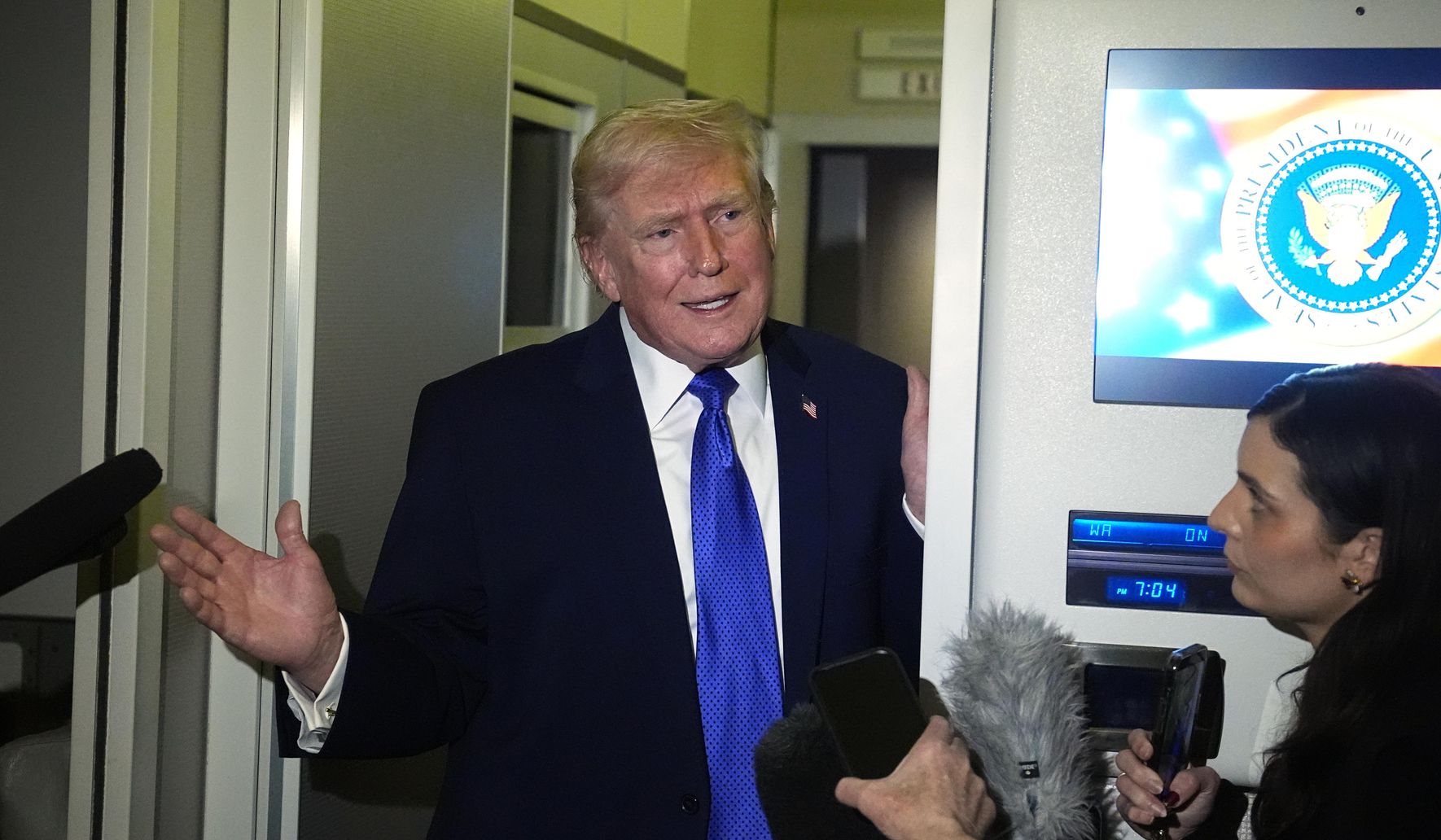
President Trump has publicly pressed Iran and Cuba to strike deals with the United States, warning that failure to do so will bring serious consequences.
President Trump is urging countries on two sides of the globe – Iran and Cuba – to make deals with the U.S. or suffer grave consequences. That message signals a clear, consistent approach: negotiate from strength and accept terms that safeguard American interests. The administration is framing these overtures as hard-headed diplomacy backed by real leverage. Supporters on the right see it as a return to straightforward foreign policy where words are matched by capability.
With Iran, the concern is layered and long-standing: nuclear ambitions, regional proxies, and destabilizing behavior across the Middle East. Republicans argue that past agreements failed because they relied on trusting bad actors without maintaining effective enforcement tools. From this vantage point, any new deal must include verifiable limits, strict inspections, and snapback mechanisms that bring immediate consequences for violations. The case is simple: if you want normal relations, you earn them through verifiable, enforceable steps.
When it comes to Cuba, the debate mixes geopolitics with human rights and economic leverage. Conservatives tend to view the Castro regime as unreformed and hostile to basic freedoms, so engagement without accountability rings hollow. A deal from Washington’s side would be meaningful only if it secures concrete concessions on emigration, political prisoners, and economic openness. Republicans favor combining diplomatic openings with continued pressure so change is more than a photo op.
Economic pressure is central to this approach, and sanctions are a primary tool. The idea is not punishment for its own sake but creating incentives for negotiation and compliance. Sanctions targeted at leadership, their financial networks, and key industries can squeeze decision-makers while minimizing harm to ordinary people. In a Republican view, calibrated sanctions paired with credible relief options make agreements credible to both the U.S. and to skeptical domestic audiences.
Backing up words with military and intelligence readiness is also part of the strategy. Deterrence matters: when rivals know the United States can follow through, negotiating table leverage improves. That does not mean immediate conflict, but it does mean preparedness and clear public messaging about red lines. Conservative strategists argue that strength in defense and clarity in intent reduce the risks of miscalculation and make diplomacy more likely to succeed.
Coalitions matter for enforcement and legitimacy, and Republicans generally push for broad international support. Working with allies multiplies pressure on regimes and increases the cost of noncompliance. At the same time, the U.S. must be willing to act unilaterally if necessary to protect core interests. From a Republican outlook, multilateral support is preferred, but national sovereignty and the ability to act independently are non negotiable.
Structuring fair deals means offering a mix of carrots and sticks that are precise and time-bound. Carrots can include phased sanctions relief tied to verifiable milestones, economic incentives that benefit ordinary citizens, and normalized trade relationships that are conditional. Sticks must be equally clear: automatic reinstatement of penalties, frozen assets, or targeted interdictions if benchmarks are missed. Republicans emphasize transparency so the American public can see what is on the table and what is at risk.
Political optics and messaging at home play a big role, too, because any deal has to pass scrutiny from both Congress and voters. Republicans insist that leaders not hand over unilateral concessions without legislative oversight or clear sunset clauses. The party’s base supports tough bargaining that secures American safety and prosperity, not hollow agreements that invite future trouble. Keeping negotiations accountable to democratic institutions remains a key conservative demand.
Ultimately, the call to Iran and Cuba is framed as a straightforward proposition: sit down and cut a deal that respects U.S. security and principles, or face a range of tailored consequences. The Republican stance is blunt and unapologetic about using leverage to protect American interests. That posture aims to produce real, enforceable outcomes rather than symbolic gestures, and it assumes strength makes diplomacy more effective and safer for the country.

