

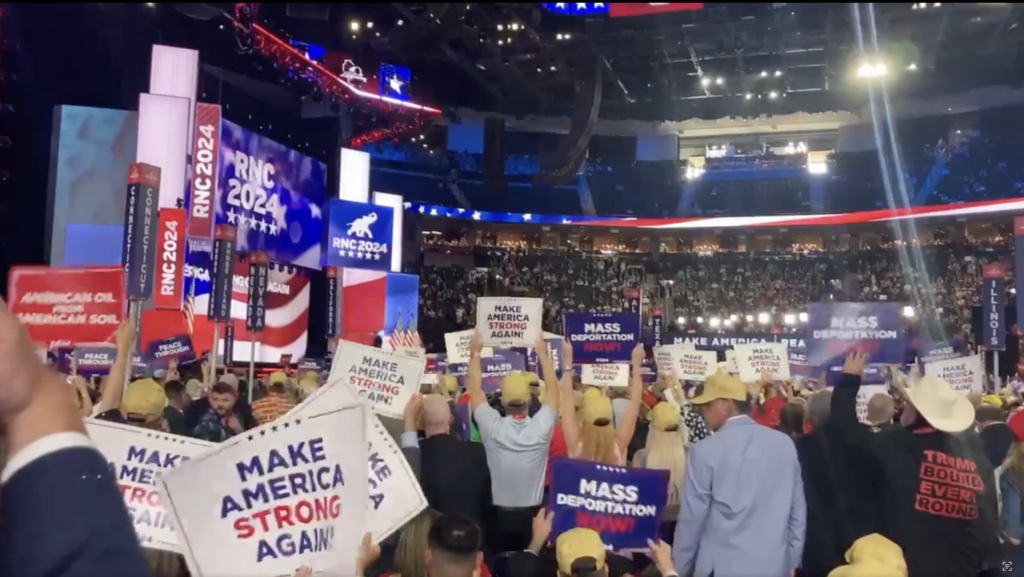
This piece argues that the 2024 moment gives one leader the chance to act decisively on a broad conservative mandate and that seizing it will shape America’s future.
Conservatives have clear priorities and voters handed a mandate that demands action, not dithering. There is no neutral ground when institutions and cultural norms are under strain, and leaders must choose whether to defend them. The moment calls for bold policy moves that reflect the values voters just affirmed. That means translating promises into law, courts, and appointments quickly and clearly.
“Trump has a once-in-a-lifetime chance to deliver on a mandate that will determine whether America exists at all. He should take the chance that was given to him.” Those words land hard because they turn a campaign promise into a historical test. The claim is stark and intentional: this election is not a centrist pause but a demand for decisive governance. Republican leaders should treat it as a call to act on the reforms their voters expect.
First, the legal and judicial front has to be secured. Confirming qualified conservative judges reshapes outcomes for decades, and the Senate must prioritize lifetime appointments that respect the Constitution. That is how policy endures beyond electoral cycles, and it is why judicial picks are as important as laws. A focused, disciplined confirmation strategy will lock in principles that protect speech, religious liberty, and property rights.
Second, the border and immigration system needs real fixes, not temporary band-aids. Border security is about sovereignty, public safety, and the rule of law, and it requires clear statutes and enforcement resources. Building physical barriers, technology upgrades, and stricter asylum standards are tools, but so is revamping the legal system that processes claims. This is where voters expect tough, enforceable solutions rather than endless debates.
Third, economic policy must favor growth, energy independence, and American workers. Rolling back burdensome regulations, restoring domestic energy production, and keeping tax policy predictable send a signal that this administration values entrepreneurship. Trade policy should put American interests first while negotiating deals that level the playing field. Jobs, wages, and economic opportunity are tangible measures of success that voters understand.
Fourth, national defense and deterrence should be unapologetic and clear-eyed. Investing in the military, strengthening alliances that work, and confronting adversaries where necessary preserves peace through strength. Weakness invites aggression, and a posture of resolve protects American lives and interests. Policy here must be pragmatic, well-funded, and consistent.
Culture and education are also on the ballot, and conservatives can push for reforms that restore local control and parental rights. Schools should teach fundamentals, not political agendas, and families must have a stronger voice in shaping curricula. Defending free expression on campus and ensuring public funds support real education are priorities that resonate across communities. These changes require laws, leadership, and steady enforcement.
Law and order remains a key pillar for stability and justice. Police need support to keep communities safe while ensuring accountability through fair standards. Criminal justice reforms should emphasize rehabilitation, victim rights, and firm consequences for violent offenders. Voters expect leaders who both support the rule of law and fix systems that fail victims.
Finally, the success of any mandate depends on organization and communication within the Republican movement. Delivering on big promises requires disciplined messaging, effective coalitions, and a willingness to make politically difficult choices. That means prioritizing immediate wins that build momentum rather than chasing every battle at once. If the administration focuses on tangible results, it will transform public trust into lasting policy change.

