

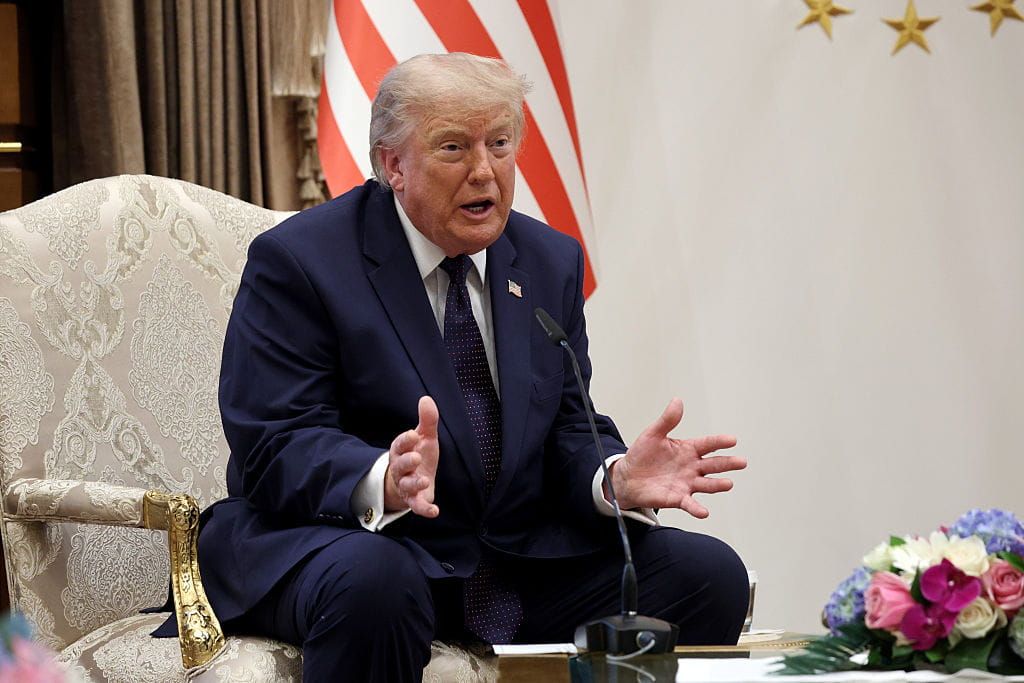
Donald Trump will deliver a prime-time address that commands attention, challenges institutions, and sparks fierce reactions across the political spectrum on Jul 16, 2026.
Expect a direct, no-nonsense delivery designed to rally supporters and press the case his way. He goes on television to control the message, cut through a hostile media cycle, and set the terms for days to come. This is a calculated move, not a casual speech.
“Both sides bracing for chaos.” This line has already become shorthand for the atmosphere surrounding the address, and it nails the reality: people on all sides are preparing for fireworks. Chaos is as much about how networks and opponents respond as it is about what the former president says on stage. The media will amplify every line, and opponents will sharpen their attacks in real time.
From a Republican perspective, this address is about accountability and clarity. Trump will likely focus on issues that energize his base—border security, economic resilience, and national strength—while hammering the failures of the current establishment. Expect blunt language, specific grievances, and signature rhetorical moves meant to reconnect with voters who feel ignored.
Trump’s strength is performance and framing, not careful nuance, and that matters on prime time. He understands the optics and the rhythm of television, and he will use them to frame a narrative that only he can sell to millions at once. Opponents hope to neuter him with criticism, but many viewers will judge the substance of his remarks more than the pundit chatter before and after.
There will be predictable flashpoints. Watch for pointed attacks on institutions that promoted opposing narratives during his presidency and afterward. He won’t shy away from naming the people and policies he blames for setbacks, and that will force defenders into reactive, often defensive stances. That dynamic is the theater of modern politics—forceful claims followed by frantic rebuttals.
Politically, the timing matters. Coming in mid-July 2026, the address serves multiple goals: solidify his base, shift the media agenda, and test talking points for the fall. It’s a live focus group for Trump, and the reactions will help him refine moves on everything from messaging to mobilization. For Republicans who want clarity on direction, this will be a revealing night.
Practical fallout will be immediate. Networks will replay soundbites, social feeds will explode, and donors and operatives will take stock of the new landscape. Polls may wobble in response, and opponents will scramble to craft replies that stick. That reaction cycle is part of why a prime-time address matters at all—it forces a reset in public conversation.
For voters who prefer plain talk, this format is gold, but for undecided viewers it’s a mixed bag. The tone may win hearts or harden skepticism depending on how sharply lines are drawn. Either way, the speech will matter beyond the moment because it will anchor the next phase of arguments and strategy for both camps.
Expect the usual predictables—press hysteria, viral clips, and endless debate about temperament—but also expect concrete policy references that aim to move minds. Trump will layer grievance with proposals and promises, and that combination has proven potent in past cycles. Observers should watch not just the rhetoric but the specific claims and the policy hooks behind them.
On Jul 16, 2026, this address will be a test of narrative control. For Republicans who want strong leadership and plain speech, it will be a night of affirmation. For opponents, it will be a moment to marshal rebuttal and push back in the hours and days that follow. Either way, the political landscape will be reacting, rearranging, and preparing for what comes next.

