

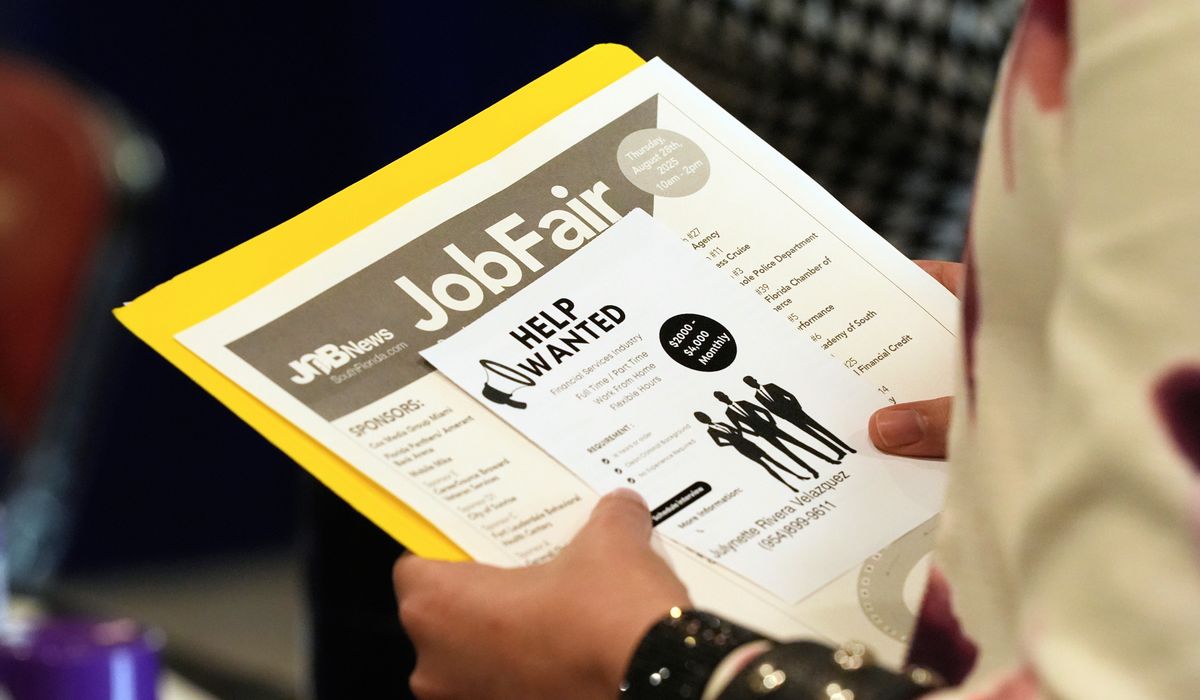
The U.S. job market bounced back in August, adding 162,000 positions after earlier losses, driven largely by gains in hospitality and a wave of teacher hiring ahead of the new school year.
The labor market regained momentum in August, with employers adding 162,000 jobs after a weaker patch earlier in the summer. That headline number reflects a mix of seasonal shifts and sector-specific rebounds. Hospitality and education stand out as the key contributors to the upswing.
Hospitality businesses ramped up hiring as demand for travel, dining, and leisure recovered from the quieter mid-summer period. Restaurants and hotels often hire quickly when bookings and foot traffic pick up, so those sectors can show rapid employment swings. That pattern helps explain a meaningful slice of the August gains.
Schools and districts also increased hiring ahead of the academic year, with teacher and support-staff positions returning to the payroll. This kind of education-related recruitment is predictable each fall, but the timing and scale can still change headline employment figures. When thousands of teachers are added back in, it has an immediate effect on the monthly totals.
Those sector moves masked a more mixed picture elsewhere in the economy, where some employers remain cautious about big new payroll commitments. Firms weighing investments and hiring often look at demand signals, credit costs, and cost pressures before expanding staff. As a result, monthly job gains can reflect both temporary seasonal shifts and more persistent hiring trends.
For workers, the August additions provide fresh opportunities in service and education roles, where openings can appear quickly and onboarding moves fast. Job seekers in hospitality and schooling-related fields may find more entry points or full-time positions as the fall season starts. But openings in other industries can still lag behind, leaving uneven prospects across the labor market.
Wage pressures and labor supply dynamics continue to shape employer behavior even as payrolls tick up. Some companies are offering targeted pay increases or bonuses to fill roles that proved hard to staff over the summer. That competition for labor can alter the mix of part-time versus full-time hiring and influence longer-term staffing plans.
Policy watchers and business leaders will be watching whether the August gain holds up in the coming months or if it reflects mainly short-term, seasonal swings. Employment reports can jump around month to month, and a single strong reading does not guarantee a sustained trend. Still, an uptick in hospitality and education jobs is a clear and visible factor behind the numbers.
Local economies with large tourism footprints or big school districts saw outsized benefits from those hiring bursts, while industrial and tech-heavy regions experienced different dynamics. That geographic variation matters for communities trying to attract investment or fill critical roles. Understanding where jobs are growing helps employers and policymakers tailor workforce strategies.
For households, the practical effects of a job increase show up in paychecks and hiring opportunities, especially where seasonal work becomes recurring employment. Families in areas that rely on tourism or school-based employment will notice shifts more quickly than others. But the broader question remains whether these monthly changes point toward steady recovery or temporary stabilization.
Going forward, analysts will track subsequent reports to see if the momentum broadens beyond hospitality and education. A diversified recovery would show gains across manufacturing, professional services, and other areas in addition to service and school-related hiring. Until then, the August figure stands as a meaningful rebound that highlights how sectoral timing and seasonal hiring can shape headline employment data.

