

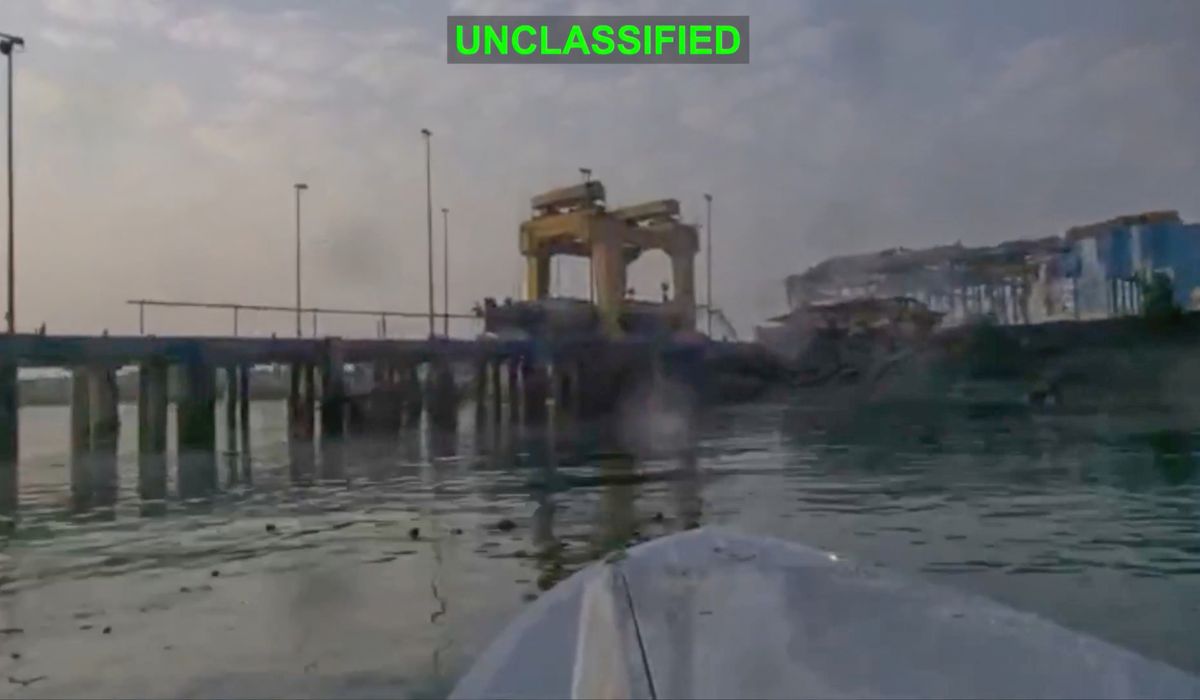
The latest update confirms another American fatality tied to the conflict with Iran, deepening concern over strategy, force protection, and political accountability in Washington.
The U.S. military said Sunday that another American service member was killed as part of the war with Iran, bringing the total number of deaths to 17. Families and fellow service members are grieving, and leaders are grappling with how to respond in a way that protects forces without needlessly escalating the fight. This loss underscores how quickly limited engagements can become costly if strategy and deterrence are unclear.
Details about the incident remain limited as commanders complete after-action reviews and notify next of kin. Officials are moving cautiously with public comments to avoid compromising ongoing operations or intelligence sources. Still, the basic fact stands: another life lost in a conflict with a state and proxy network that has shown willingness to strike U.S. interests.
For Republicans, the immediate reaction mixes respect for the fallen with frustration over strategic drift from the political leadership. Many on the right argue that deterrence has weakened and that unclear objectives invite continued attacks. Those concerns are not just partisan rhetoric; they reflect a concrete fear that ambiguous policy costs American lives.
Military leaders say they are adjusting posture and tactics to reduce vulnerability, but adjustments take time and resources. Patrol patterns, base defenses, and rules of engagement are under review, and additional equipment and forces are being sent to the region. These moves aim to protect troops in the short term while buying time to refine a longer term approach.
Congressional Republicans are pressing for hearings and briefings to get straight answers about mission goals and exit conditions. They want clarity about what measures will actually deter Iran and its proxies rather than simply layering more resources onto an open-ended commitment. Lawmakers from both parties demand transparency, but the Republican focus stays on ensuring U.S. forces are not left exposed by political indecision.
The human cost reaches beyond the battlefield, affecting morale across units that rotate through the region. Service members and their families face an uncertain timetable and shifting objectives, and that uncertainty strains retention and focus. Commanders know that a clear, achievable mandate is the best force protection measure over the long haul.
Strategically, the U.S. faces a complex environment with Iranian-backed militias, maritime harassment, and long-range strike threats. Diplomacy and sanctions play a role, but hard power and credible deterrence remain essential to prevent further attacks. Republicans argue the policy mix must favor clear consequences for aggression to stop this pattern of reprisals and deaths.
Allies in the region and beyond are watching closely, weighing whether the United States will maintain a posture that protects commerce, partners, and its own service members. Mixed signals can embolden adversaries to push harder, which raises the risk of miscalculation and wider conflict. That is why supporters of a firm approach insist on straightforward goals tied to demonstrable actions.
On the home front, communities are preparing to receive the service member’s family and to honor the sacrifice while asking hard questions about why the mission remains open-ended. Military families, veterans groups, and elected officials will keep the pressure on for better protection and clearer policy. The immediate need is to care for those affected and to ensure lessons from this grave loss lead to responsible decisions about how America protects its people and interests abroad.

