

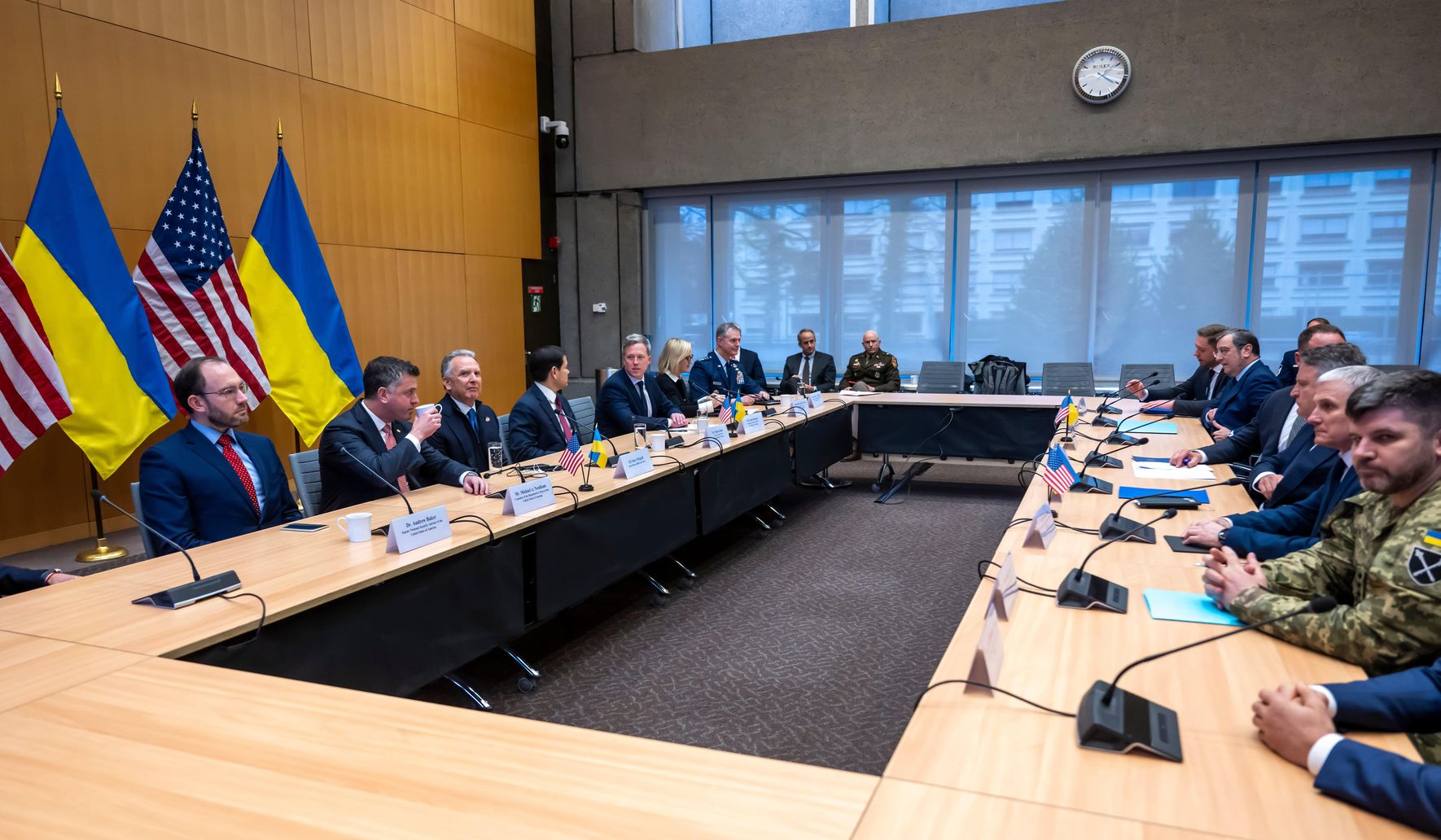
Ukraine has signaled acceptance of the core elements of a U.S.-brokered peace framework with Russia, but major hurdles remain because key questions about security guarantees, borders and enforcement are unresolved.
The reported acceptance marks a significant moment in a long, brutal conflict, yet it is far from a finalized settlement. Negotiations have moved from broad principles to the painfully detailed work of who gets what, when and under what conditions. That detail is where negotiations succeed or collapse.
From a Republican viewpoint, the practical bar for any deal is clear: protect Ukrainian sovereignty, deny Russia a free hand to resume aggression, and ensure American interests are preserved. Republicans will push back on anything that reads like rewarding conquest or weakening NATO’s deterrent effect. The political appetite here is for firm guarantees, not symbolic language.
Key sticking points include territory, timelines for troop withdrawals, and what kind of security architecture would replace active combat. Crimea and parts of eastern Ukraine remain central flashpoints, and any deal that treats those areas lightly would be a red flag. Republicans argue that borders can only be treated as settled if verifiable, durable protections are in place.
Verification and enforcement are the real tests of sincerity. Paper promises are cheap; monitors, inspections and contingency mechanisms are expensive and intrusive, and they must be baked into an agreement. Republicans expect the U.S. to insist on independent verification, clear consequences for violations, and the ability to reapply maximum pressure if Russia cheats.
Sanctions and accountability policies will also be crucial bargaining chips. Many Republicans want to keep major economic and diplomatic penalties in place until irreversible steps are taken on the ground, and until tangible accountability is secured for wartime abuses. For this caucus, lifting sanctions must be a stepwise process tied to verifiable milestones, not a single theatrical photo op.
Congressional oversight will be active and skeptical. Lawmakers on the right will demand briefings, votes and statutory guardrails before endorsing major concessions or approving funding that affects security guarantees. That includes scrutiny of any U.S. commitment to troops, bases, or long-term military assistance tied to a settlement.
Energy and strategic competition are part of the calculus too. A deal that leaves Russia in a stronger position to manipulate energy markets or to rebuild military capability without meaningful cost would be unacceptable. Republicans want assurances that Europe and the United States keep leverage over Russia’s strategic levers until security and justice are settled.
Prisoner exchanges, restitution, and mechanisms for displaced people will be part of the domestic politics of a deal, and those human issues often affect public support as much as territorial lines. Republicans tend to emphasize hard guarantees and enforceable timelines that prevent protracted limbo and give ordinary Ukrainians a path to stability. The political line of attack would be clear if a deal seemed to shortchange victims.
Negotiators also face the tricky question of how to sequence concessions so deterrence is preserved while peace becomes durable. Republicans favor keeping the pressure points active until verification shows compliance, and they will resist any step that removes U.S. leverage prematurely. That approach is blunt but focused on preventing future conflicts.
The U.S. role as broker will be under intense scrutiny, with Republicans insisting that American credibility not be undermined by an agreement that cannot be enforced. Lawmakers on the right will press for tangible, legally binding elements that lock in security and accountability. The next phase of talks will tell whether those requirements can be reconciled with the political realities on the ground.
Public and allied reaction will matter as well, since European capitals and NATO partners must be comfortable with any settlement framework. Republicans emphasize that allied cohesion and shared burden are essential to keeping Russia contained. If allies are uneasy, the durability of any deal comes into question.
Ultimately, the outline of an agreement is no substitute for tough, enforceable implementation. Republicans will be watching for verification, consequences, and realistic timelines that protect Ukraine and American interests. The path forward looks like more bargaining, not a quick signature line, and that bargaining will shape how the U.S. posture toward Europe and Russia evolves.

