

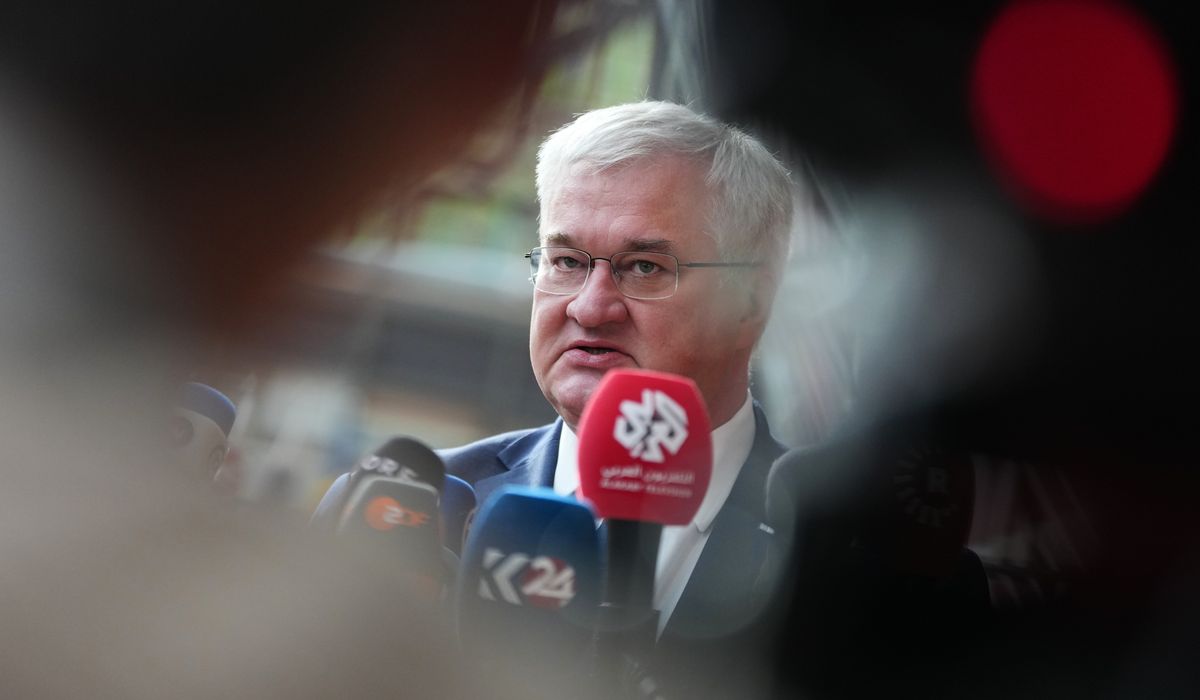
Ukraine has come out of what officials called its toughest winter in the war with a stabilized front and an air defense able to shoot down the vast majority of incoming Russian missiles, even as supply, munitions and political strain continue to shape the conflict’s next phase.
The winter tested Ukraine in ways that mattered most for frontline survival: attrition, logistics and weather. Commanders and analysts describe a line that is no longer collapsing under pressure, and air defenses that are proving capable against massed missile strikes. Those defenses are not invincible, but they have reduced the blunt power of Russian attacks and bought Ukraine time to reorganize forces and conserve critical stocks.
Operationally, stabilization does not equal victory; it means a transition from desperate defense to managed attrition. That transition places a premium on steady supplies of ammunition, spare parts and trained crews, not headlines. Republican voices in Washington point to the discipline and practicality of that approach while urging careful oversight of aid to ensure equipment reaches the battlefield and is used efficiently.
Air defense performance has changed calculations for both sides, forcing Russia to expend more costly systems and to rely more heavily on degraded alternatives. The result is a war of resources where volume matters as much as technology. Observers note that Ukraine’s success stems from combining Western systems with local ingenuity in tactics, dispersal and repair, making the most of limited inventories.
Behind the scenes, logistics remains ugly and vital: munitions pipelines, maintenance backlogs and the training pipeline for replacements all strain under constant combat. Stabilized lines buy breathing room but also reveal where shortages will bite if not addressed. Republicans emphasize accountability for how funds and materiel are allocated, arguing that oversight prevents waste and ensures battlefield effectiveness.
The political dimension has shifted alongside the military picture, with allies calibrating support against domestic pressures and competing priorities. That reality complicates long-term planning for Kyiv, where leaders must balance immediate battlefield needs against the steady work of rebuilding civilian resilience. In some donor capitals, the mood is pragmatic and cautious rather than idealistic, preferring practical, measurable results to symbolic gestures.
On the ground, commanders experiment with combined arms tactics that stretch resources but can yield local gains when executed well. Mobility, counter-battery fire and electronic warfare increasingly shape which sectors can be held and which must be traded for depth. For Ukrainian troops, the ability to rotate units, repair air defenses, and maintain supply routes determines whether a stabilized line holds or slowly degrades.
The economic costs are slow and grinding, hitting infrastructure, energy grids and civilian life even where the front is quiet. Repairing this damage requires not just money but secure supply chains and long-term planning. Republican commentators stress that aid should support sustainable solutions that reduce dependency over time and strengthen local capacity to absorb and repair hardware under fire.
Diplomacy moves in the background, constrained by battlefield realities and domestic politics in donor countries. Negotiations are shaped by who holds the advantage at any given moment, so a stabilized front changes bargaining dynamics without guaranteeing a settlement. Political leaders face conflicting incentives: some want immediate de-escalation, others prefer to keep pressure until a decisive shift occurs.
Technological and industrial resilience have become central to endurance in this war, encouraging investments in production lines and stockpiles. That effort stretches beyond weapons to include repair facilities, ammunition plants and the civilian infrastructures that keep militaries moving. Republicans often argue that strengthening these capacities at home and with allies is a strategic win that reduces future shocks and limits the need for open-ended commitments.
Looking ahead, the conflict will likely remain a test of logistics, morale and political will rather than a simple contest of arms. Stabilization and capable air defenses have improved Ukraine’s immediate prospects, but they also expose the long grind ahead. The balance between providing necessary support and ensuring that support is prudent and accountable is the central political question shaping how allies respond in the months to come.

