

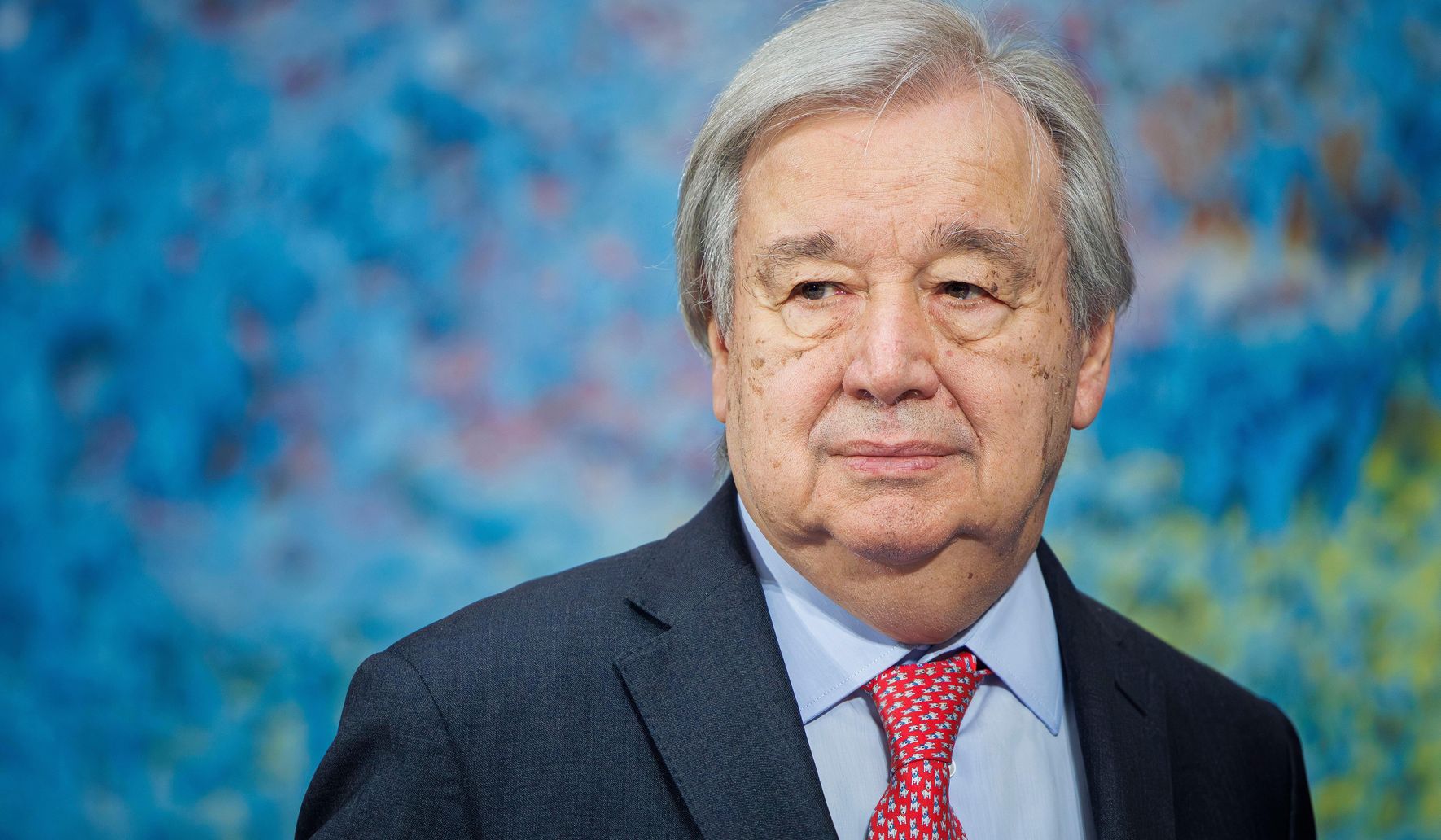
The United Nations chief blamed the U.S. and Israel for recent airstrikes on Iran and urged an immediate return to talks “to pull the region, and our world, back from the brink.”
The UN secretary general condemned the U.S.-Israeli strikes and urged a quick shift back to diplomacy. That statement landed in an already tense environment where facts on the ground and political reactions are moving fast. The comment has become a focal point for debates about who is responsible for escalating violence in the region.
From a Republican point of view, it is important to say clearly that nations have a duty to defend themselves and their partners. Iran has been a persistent source of threats, proxies, and destabilizing operations across the Middle East for years. Critics who rush to blame the defenders without acknowledging those provocations risk walking into a false moral equivalence.
The airstrikes themselves were framed by U.S. and Israeli officials as targeted responses to aggression and as necessary measures to deter future attacks. Military leaders argue the strikes were precise and aimed at degrading capabilities rather than launching a full-blown war. Policymakers in Washington see deterrence as a tool that prevents larger conflicts by imposing costs on bad actors.
The UN chief’s call for a return to negotiations echoes a familiar refrain, but the road back to talks runs through accountability. Any meaningful negotiations will require Iran to stop arming proxy groups, halt its missile and drone programs aimed at neighbors, and comply with verifiable inspections. A negotiation that ignores those realities would simply reward aggression and leave allies more vulnerable.
Americans watching this drama want clarity about rules of engagement and the objectives behind military action. Republican voices stress that clarity must include a firm statement of U.S. interests and the thresholds for force. Voters expect leaders to protect American lives and regional stability while avoiding open-ended commitments that drain resources and leave messes for the next administration.
Another element worth noting is the role of international institutions and their leaders in shaping perceptions. The UN operates on consensus among member states, and its public statements often reflect a balancing act between humanitarian concerns and geopolitical pressures. Conservatives frequently argue that such institutions can appear biased when they focus criticism on democracies while giving autocracies a pass.
Media coverage amplified the UN message and intensified partisan reactions at home. Some commentators used the UN chief’s words to demand immediate de-escalation, while others pointed out the need for tougher measures against Iranian aggression. The debate underscores how international events are filtered through domestic political lenses and fuel policy disagreements in Congress and among the public.
Practical steps on the ground will determine whether diplomacy can be salvaged or whether conflict widens. Intelligence sharing, tighter sanctions on illicit networks, and clear defense cooperation with regional partners can create the conditions for talks that respect national security. Diplomacy must be backed by credible deterrence, not hollow promises, if it is to produce lasting results.
At its core, the issue is whether the international community will condition negotiations on real behavioral change or settle for temporary pauses that let threats regroup. Republicans argue for a clear-eyed approach that demands verifiable changes from Tehran before any easing is agreed. That stance aims to protect allies, preserve deterrence, and create a much better chance that talks will deliver durable peace rather than a short-lived ceasefire.

