

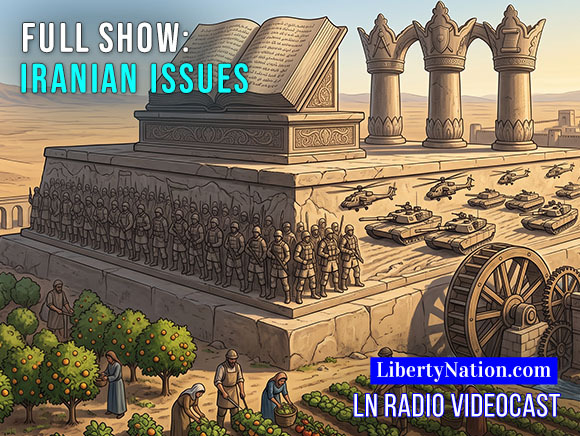
Unequal Warfare – LN Radio Videocast offers a sharp look at the unfolding Iran crisis, parsing recent strikes, sanctions, and the strategic choices in play. The episode asks hard questions about deterrence, regional balance, and what victory might actually look like. It frames the debate in plain terms and presses for clear objectives and sustained pressure.
On Sep 5, 2026, the program focused on how the United States and its partners are responding to escalating Iranian aggression and proxy attacks. Hosts laid out a timeline of events, mapped out the current posture, and asked, “Is the stranglehold tightening?” The tone was direct and insistently results-oriented, reflecting a view that weakness invites more danger.
The recent mix of economic pressure and targeted air operations has reshaped the battlefield without committing to a full-scale ground war. Sanctions have squeezed revenue streams and disrupted procurement, while precise strikes have degraded key capabilities. That combined approach favors restraint but requires political will to sustain and to close loopholes supplying weapons and technology.
The phrase unequal warfare captures how modern conflict blends cyber, proxy, economic, and conventional tools into a single contest. Iran leverages regional militias, drones, and asymmetric tactics to impose costs without ever holding territory in the traditional sense. Recognizing that reality means adapting doctrine, investing in intelligence, and denying adversaries the benefits of ambiguity.
From a Republican perspective the debate is simple: show strength and back it up with consequences that bite. Critics argue that vague threats and half-measures only prolong the fight and embolden Tehran. The smarter path is to set clear, achievable goals, then align sanctions, military pressure, and diplomatic isolation until those goals are met.
That does not mean plunging headlong into open war or ignoring civilian risk, but it does demand sharper deterrence and better burden-sharing with regional partners. Israel, Gulf states, and others are directly threatened and must be part of any credible posture. America’s leaders should make strategic choices that protect lives while maximizing leverage over Iran’s ruling network.
Escalation risks are real, and wise policymakers know escalation ladders can surprise even the best planners. The goal must be to control escalation by raising costs steadily and predictably, so Tehran concludes that continued aggression is no longer tolerable. That requires patient pressure, lethal readiness, and the political unity to maintain both over time.
Endgame scenarios vary from a weakened regime squeezed into making concessions to long-term containment through regional alignments and economic attrition. Sanctions work if properly enforced and if major buyers are blocked from replacing lost Iranian oil and exports. A sustainable outcome will likely be a hybrid of internal strain on Tehran and durable external isolation.
Public understanding and political clarity matter as much as military moves, because vague goals sap support and empower critics. The LN Radio Videocast episode aimed to cut through fog with straightforward analysis and pointed questions about policy effectiveness. Listeners were reminded that strategy without resolve is merely a plan for ongoing crisis.
Unequal Warfare – LN Radio Videocast keeps the focus on results, not rituals, urging leaders to tighten the noose while minimizing wider conflict. The message was consistent: combine smart force posture, real economic pain, and robust alliances so Tehran faces a choice between change or relentless pressure. That disciplined approach best protects American interests and regional stability.

