

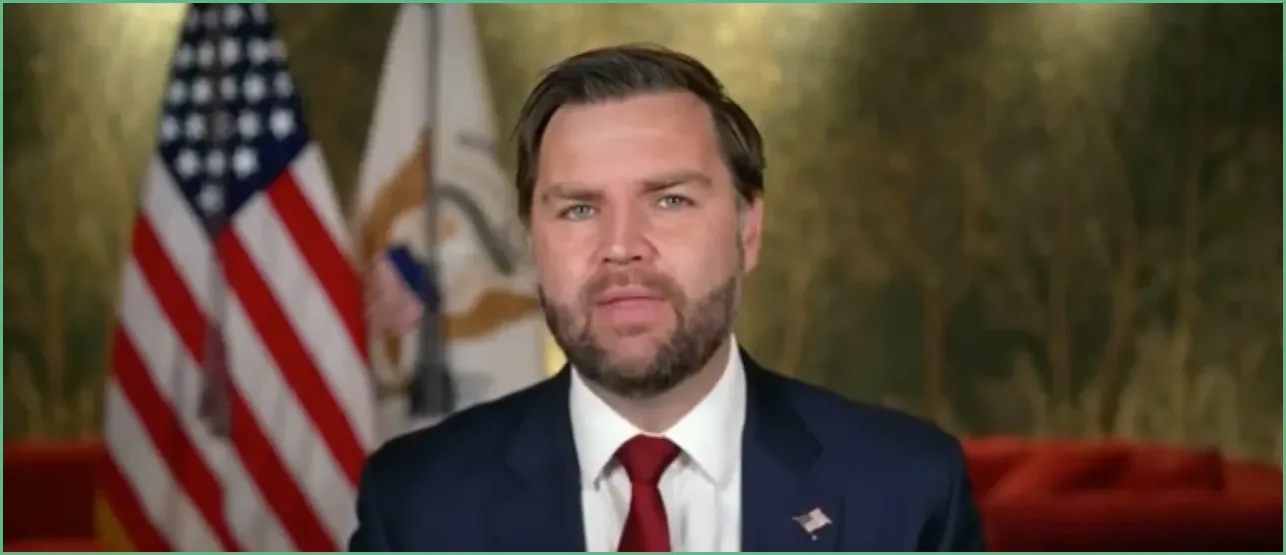
JD Vance Confirms U.S. Won’t Deploy Ground Troops After Trump’s Mideast Deal
Vice President JD Vance told NBC that there are no plans to send U.S. troops onto the ground in Israel or Gaza after both sides accepted the first phase of President Donald Trump’s Middle East peace deal. He said the administration will rely on existing forces in the region rather than open-ended combat deployments. The aim is simple: monitor compliance, push aid through, and avoid a fresh American ground war.
The deal itself is straightforward: Israel must pull back to designated lines and hostages held in Gaza should be released as the first phase is implemented. Those two conditions trigger the flow of assistance and the staged handover of responsibilities. It is designed to move the situation off the battlefield and into a monitored, verifiable process.
“We’re not planning to put boots on the ground,” Vance told NBC host Kristen Welker. “What we already have is a U.S. Central Command. We already have people in that region of the world.
They’re gonna monitor the terms of the ceasefire. They’re gonna monitor, ensure that the humanitarian aid is flowing. They actually confirmed yesterday that Israel pulled back to the agreed-upon lines, which, of course, is the first condition.
The second condition, or the second term, is for the hostages to be released. So we have people in that region of the world who are gonna monitor parts of this peace proposal, but the president is not planning to put boots on the ground in Israel.”
Sunday’s interviews also pushed back on earlier reporting that suggested the military planned to deploy roughly 200 troops to Israel to support stabilization work in Gaza. Vance said that account has been “misreported.” That correction matters because loose leaks can shape public expectations and policy pressure inside Washington.
Pentagon officials say U.S. Central Command already maintains surveillance assets and liaison teams in the region, allowing robust monitoring without committing large infantry forces. These assets can track movements, verify ceasefire lines and help make sure aid convoys move safely. That capability is the backbone of the administration’s plan to hold parties to their commitments.
President Trump is expected to travel to Israel this weekend to mark the beginning of the pact and to personally greet any released hostages, a visible sign of U.S. engagement without a combat footprint. Vance stressed the president will oversee the start of the first phase, not commandeer on-the-ground missions. For Republicans, the optics are important: strong leadership that stops short of a new U.S. ground war.
WATCH:
At present officials report 48 hostages remain in Gaza, with Israeli estimates that about 20 may still be alive. That grim tally is the immediate humanitarian focus and the political urgency behind the deal. Rapid verification and safe recovery remain the top priorities for all parties involved.
Conservative lawmakers have praised the approach as a balance of strength and restraint, arguing elections depend on protecting American lives and avoiding open-ended deployments. At the same time there will be pressure to verify the pullback and the hostages’ safety. That pressure will shape how long monitoring continues and what assistance Washington provides next.
Vance’s comments push back on alarmist takes and emphasize a restrained American posture, monitor and assist rather than occupy. Teams on the ground will verify compliance and work to open aid corridors over the next days. Officials say the immediate focus is verifiable steps, not endless U.S. deployments.

