

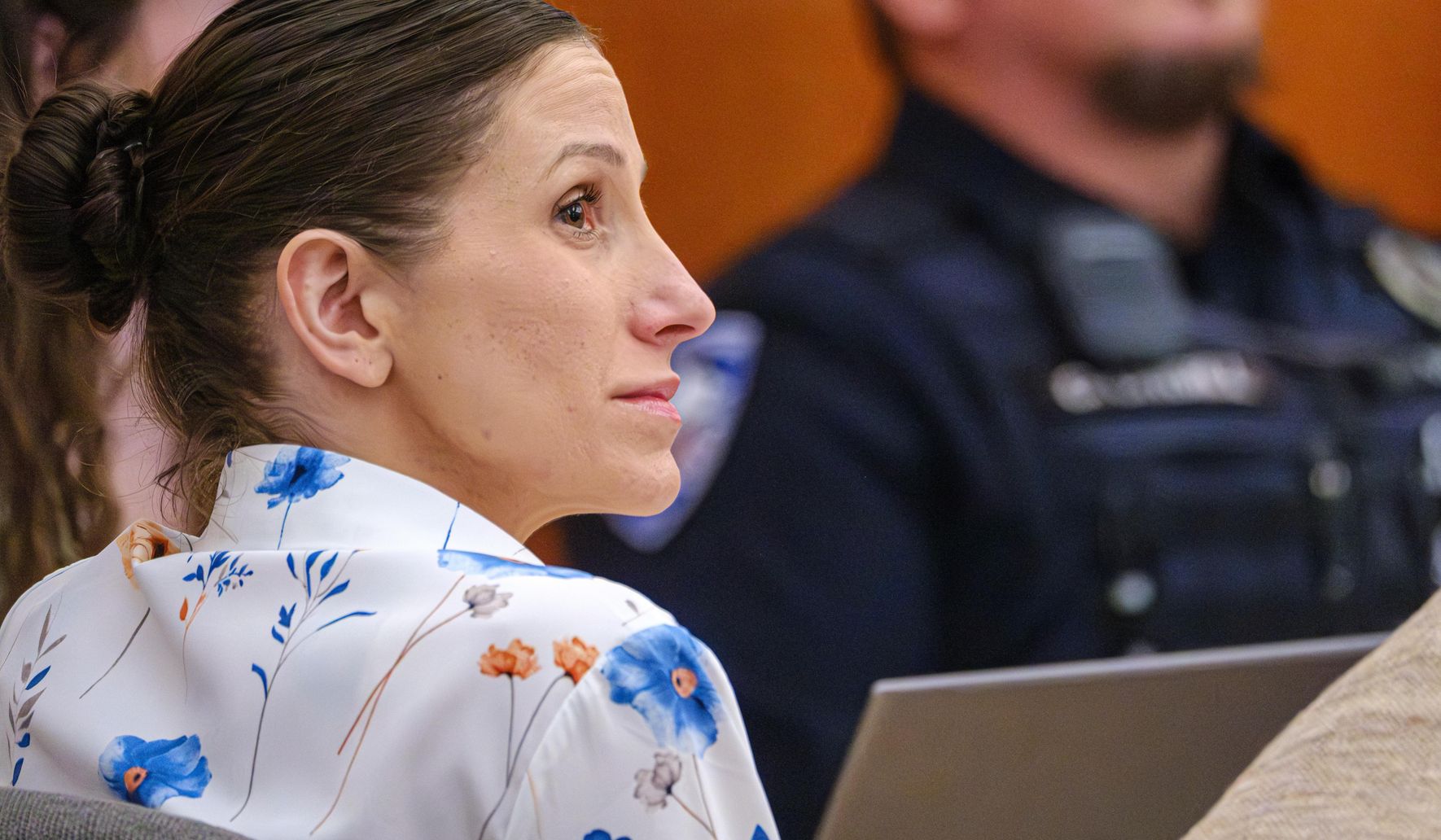
A Utah woman, author of a children’s book about coping with grief, has been found guilty of aggravated murder after her husband died from fentanyl poisoning.
The case drew attention because the defendant had published a children’s book centered on dealing with loss following her husband’s death, a book that readers saw as a private reflection on grief. Prosecutors, however, argued that the same woman was responsible for intentionally giving her husband fentanyl, and a jury ultimately convicted her of aggravated murder. The verdict closed a criminal trial that mixed family tragedy with questions about motive and method.
Authorities say toxicology confirmed fentanyl as the cause of death, and the prosecution presented evidence intended to show deliberate poisoning rather than an accidental overdose. Fentanyl is an extremely potent opioid, and medical examiners routinely link small doses to rapid, fatal respiratory depression. In courtroom testimony, experts explained how fentanyl’s potency and delivery make it a particularly lethal substance when used to harm another person.
The defendant’s book became a focal point during the trial, with prosecutors and defense attorneys offering different readings of its content. Prosecutors cited passages to suggest awareness of grief and loss that, they argued, clashed with the claim she had not intended harm. The defense maintained the book reflected a genuine attempt to process grief and reach other parents, insisting that literary expression should not be treated as evidence of criminal intent.
Witnesses described the couple’s relationship and the events leading up to his death, offering details about their household, health struggles, and any prior conflicts the jury considered relevant. Testimony from friends and family painted a picture of a marriage under strain, while other witnesses provided context about access to medications and the timelines prosecutors used to argue premeditation. The jury weighed those narratives against forensic timelines and medical findings.
Aggravated murder charges carry higher penalties than standard murder counts because they allege additional factors such as premeditation, planning, or other aggravating circumstances. In this case, prosecutors argued the presence of such factors justified the aggravated murder charge. The jury’s conviction indicates they found beyond a reasonable doubt that the prosecution met the legal threshold required for that elevated charge.
Defense attorneys highlighted gaps in the evidence and urged jurors to consider alternative explanations for the fentanyl entering the victim’s system. They questioned whether prescription access, cross-contamination, or third-party involvement had been thoroughly ruled out. The defense also raised concerns about how certain forensic conclusions were reached, asking jurors to keep reasonable doubt in mind.
Families impacted by fentanyl poisoning often emphasize how quickly these cases escalate, and public-health experts point to the broader crisis of synthetic opioids as a factor increasing both accidental and intentional deaths. Fentanyl’s surge in the drug supply has made poisoning cases more common and more lethal, complicating investigations and raising the stakes when medical examiners find it in a victim’s system. That context informed parts of the trial and the media coverage that followed.
The conviction now sends the case to the sentencing phase, where judges will consider statutory factors, any mitigating circumstances the defense can present, and the prosecution’s recommendations. Sentencing in aggravated murder cases varies by jurisdiction and by the specifics established during trial, including prior criminal history and the presence of aggravating details. Whatever the outcome, this case will remain a stark example of how personal tragedy, literary expression, and a lethal drug can intersect in a courtroom setting.

