

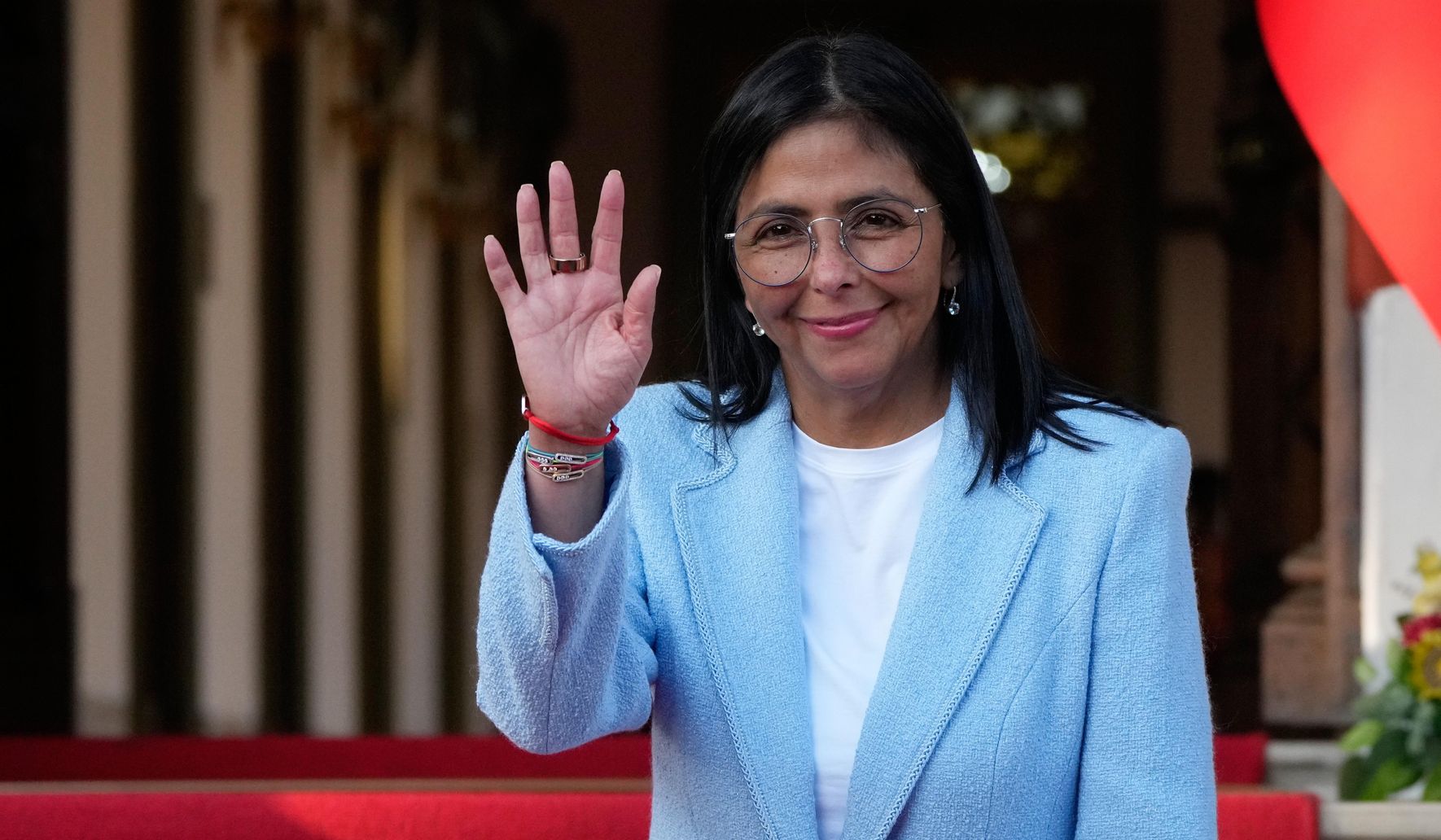
The two governments announced at short notice that a planned border meeting between their presidents would not take place, a move that underlines fragile ties and unsettled politics along one of South America’s most sensitive frontiers.
The governments of Venezuela and Colombia on Thursday announced the cancellation of a highly anticipated meeting between their presidents planned for the following day at their shared border. Officials framed the decision as mutual, but the quick reversal left diplomats and regional observers scrambling for a clear explanation. That confusion matters because formal talks at border crossings are rare and often signal attempts to manage migration, trade, and security problems that spill across lines.
For years the relationship between Caracas and Bogotá has been a mix of confrontation and cautious engagement, with moments of cooperation followed by fast escalations. Border governors and local leaders live the day-to-day reality of those swings, dealing with migration flows, smuggling, and occasional criminal violence. Cancelling a presidential meeting erodes momentum for straightforward, local solutions and reduces transparency about what either side is willing to negotiate.
From a U.S. conservative viewpoint, this episode is a reminder that stability on our hemisphere’s southern flank requires clarity and strength, not vague gestures. Venezuela still operates under an authoritarian central government that routinely twists diplomatic openings to score propaganda points at home. Colombia’s leaders must balance domestic politics and public safety while being wary of any arrangement that leaves migration management and security to opaque partners.
Border meetings can be useful when they produce concrete steps: coordinated patrols, checkpoints, humanitarian aid corridors, or formal mechanisms for returning nationals. Without those outcomes, they risk becoming photo opportunities that paper over deeper disputes. The abrupt cancellation suggests there were unresolved demands or red lines that neither side wanted to expose publicly, and that lack of candor makes it harder for neighboring democracies to trust official statements.
Humanitarian concerns also sit at the center of this diplomatic stumble, because local communities feel the consequences first. Colombian border towns have absorbed waves of migrants, while Venezuelan border regions face economic strain and limited public services. When national leaders fail to coordinate, municipal officials are left with the practical burden of providing shelter, policing, and limited medical care, which in turn fuels frustration on both sides of the frontier.
Security issues cannot be ignored either, with criminal groups and smuggling networks exploiting weak spots along the border. When presidential meetings fall apart, it leaves a vacuum that nonstate actors can exploit to expand routes and influence. A clear, enforceable set of joint measures would be the appropriate response, but the cancellation makes any immediate operational cooperation less likely.
Moving forward, Colombians and Venezuelans need durable mechanisms that do not depend solely on high‑level photo ops. Regular working groups, transparent reporting on outcomes, and involvement from international humanitarian organizations could make local interventions more reliable. If either capital wants genuine progress, the next step is practical, verifiable action rather than another headline that vanishes the next day.
Whatever prompted Thursday’s reversal, the test now will be whether both governments follow through with tangible, local diplomacy that helps citizens and secures the border. Quiet, steady work at the municipal and provincial levels will matter more than a single presidential encounter. The region’s stability depends on policies that protect citizens, enforce the rule of law, and treat migration as both a humanitarian and security challenge rather than a political spectacle.

