

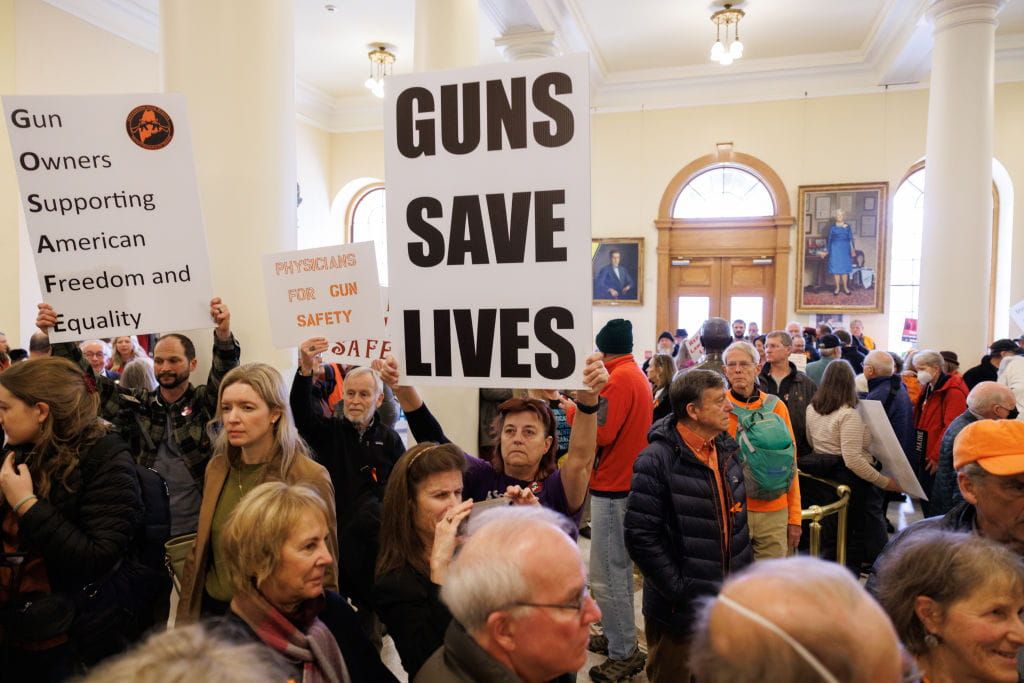
Violent crime has trended down even as lawful civilian gun ownership has grown, a pattern that challenges the claim that more guns on the street automatically mean more crime.
The relationship between firearm prevalence and public safety is more complex than sharp slogans make it sound. Observing a decline in violent crime alongside increased legal gun ownership weakens simple causal arguments. It calls for a careful look at what actually reduces violence rather than kneejerk bans.
Those who insist more guns equal more danger ignore context and motive. Law-abiding citizens who choose to arm themselves do so primarily for self-defense and to protect family and property. Treating responsible owners as the problem misreads the data and the daily reality of neighborhoods where people want to feel safe.
Policy should target criminals, not remove tools from responsible hands that can deter violent acts. When citizens can respond to threats, they change the calculus for violent offenders. A system that focuses on enforcement, prosecution, and keeping firearms out of illicit markets does more to reduce harm than blanket prohibitions.
Arguments that conflate lawful ownership with criminal behavior also undermine individual liberty. The Constitution protects the right to keep and bear arms, and public safety strategies must respect that framework. Balancing rights and safety is possible without treating all gun owners as a public menace.
Responsible gun ownership comes with accountability, training, and secure storage, and policies can encourage those practices without stripping rights away. Community-based programs, education, and incentives for safe storage reduce accidents and thefts that feed illegal markets. Those practical steps focus on outcomes rather than symbolic victories.
Data trends that show falling violent crime amid rising civilian armament deserve honest interpretation, not spin. A nuanced approach recognizes multiple factors at play: policing, community engagement, economic conditions, and private self-defense all interact. Effective policy respects individual freedom while using resources where they actually make a difference.
Opponents who lump together lawful behavior and violent criminality risk proposing measures that produce perverse consequences. Disarming law-abiding people can leave them vulnerable and shift danger toward defenseless targets. Public safety conversations should center on reducing violence through targeted enforcement, prevention, and respect for constitutional rights.

