

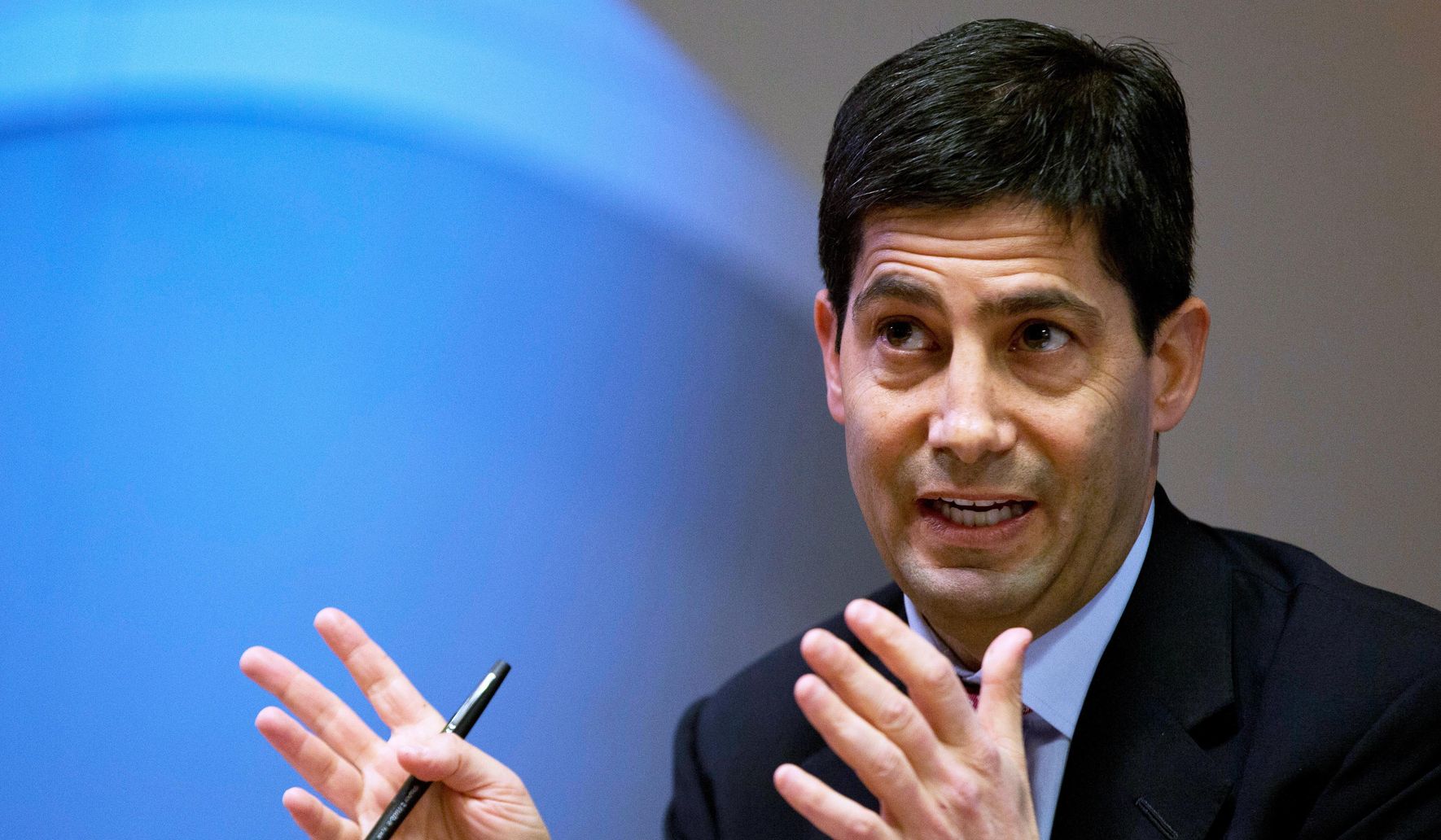
Kevin Warsh’s newly submitted financial disclosures show assets of well over $100 million, exceeding all recent Federal Reserve chairs, as his nomination hearing to lead the central bank is expected.
Kevin Warsh’s latest financial disclosure landed like a splash of cold water in a pool that’s supposed to be calm. The document lists assets described as well over $100 million, a figure that outpaces recent Fed chairs and draws immediate attention. For anyone watching central bank leadership, numbers like that change the optics of a confirmation fight.
From a Republican viewpoint, private-sector success is not a disqualifier. Many Republicans argue that real-world business experience and market-savvy can strengthen Fed policymaking and restore confidence in monetary stewardship. A background that produced substantial personal wealth can signal competence managing complex financial systems rather than impropriety by default.
That said, the sheer scale of wealth here invites reasonable questions about independence and conflicts. Observers across the spectrum want to see clear steps to prevent even the appearance of favoritism, whether through divestment, blind trusts, or stringent recusal plans. Transparency matters more when the stakes are this high and the portfolio size makes any misstep headline news.
Warsh’s reporting also creates a practical oversight issue for senators who must weigh character as well as competence. A nomination hearing to lead the central bank is expected, and senators will press on whether prior investments could influence policy choices. Those questions are procedural, not personal, but they are vital for maintaining public trust in the Fed’s decisions.
Republicans will likely stress the importance of monetary discipline and pro-growth policy while probing how a nominee’s background affects those priorities. The argument will be that a leader who understands markets can resist political pressure and keep inflation in check without sacrificing growth. That framing positions private success as a tool for national economic stability.
Critics will counter that enormous personal holdings make strict recusals unavoidable and complicate the day-to-day credibility of the chair. They will push for details: what assets remain, what steps are being taken to isolate the Fed role from private interests, and how prompt and enforceable any safeguards will be. Those are defensible demands that the public has a right to ask.
There’s also a messaging battle happening alongside the ethics one. Warsh’s supporters can sell his resume as proof of real-world chops, pitching him as someone who knows how monetary policy affects ordinary investors and businesses. Opponents will highlight the disparity between that profile and the idea of a neutral, technocratic central banker whose decisions are above personal benefit.
Legally, nominees face well-established rules around disclosure and recusal, but the political reality is messier. Senators will use the hearing to frame the story for voters and markets, turning balance-sheet items into narratives about accountability and independence. The process often forces nominees to be more cautious and explicit than the baseline legal requirements demand.
For Republicans, the calculus is twofold: push for a nominee who can tame inflation and support growth, while also insisting on clean ethics and visible safeguards. That balancing act is why hearings matter; they’re where policy chops and personal finances get tested simultaneously. How Warsh navigates that scrutiny will shape both the confirmation outcome and the public’s view of the Fed.
Regardless of the partisan spin, the public deserves clarity on how a chair’s private holdings will be handled once in office. The Fed’s credibility depends on the conviction that policy serves the national interest, not private wallets. With assets described as well over $100 million and comparisons to recent chairs, the questions are simple: what protections are in place, and will they be convincing?

