

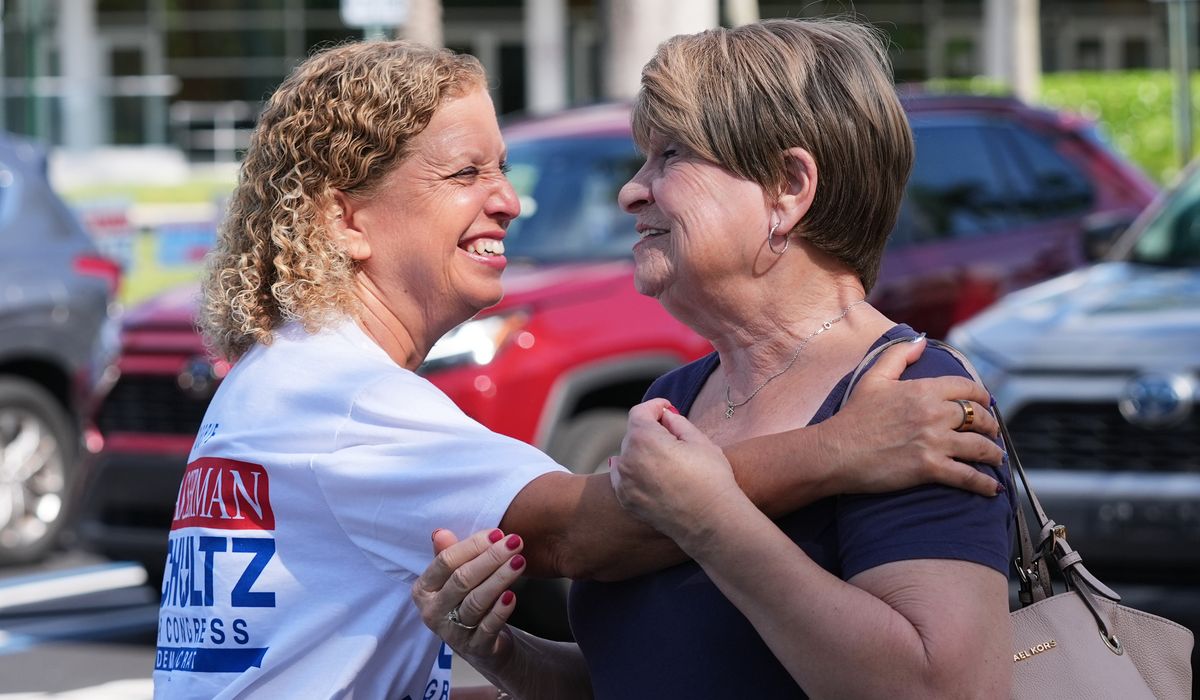
Longtime Democratic Rep. Debbie Wasserman Schultz won the Democratic primary in Florida’s 20th Congressional District, beating a field of Black rivals in the majority-minority district.
Debbie Wasserman Schultz held on in the Democratic primary for Florida’s 20th Congressional District, securing another term in a seat long controlled by her. The race drew attention because the challengers were Black candidates competing in a majority-minority district, which raised questions about representation and party dynamics. Voters returned an experienced incumbent rather than opting for a new local face.
The outcome reflects how incumbency and institutional support can shape primaries even in districts where demographic change and local sentiment might point elsewhere. Wasserman Schultz has national name recognition and a network that helps in fundraising and endorsements, and that advantage often matters more than messaging alone. That reality frustrates voters who want fresh leadership tied closely to the district rather than party machinery.
For many Republicans watching from the sidelines, the primary result reinforces a common critique: established party figures can insulate themselves from grassroots pressure. The GOP view emphasizes accountability and turnover, arguing that long-tenured incumbents become detached from constituent concerns. In a heavily Democratic seat this may not matter for control of the chamber, but it matters for whether voters feel heard.
The district itself is majority-minority, a fact that framed both the campaign and the reaction to the result. Candidates from the Black community argued they better reflect the lived experience of many residents and can bring different priorities to Washington. Yet the vote showed that name recognition, fundraising, and institutional ties still outweighed identity alone in this contest.
Practical issues were central to the campaign regardless of identity: local economic concerns, public safety, and constituent services are what many voters cite when they decide. Incumbents can point to a track record of securing federal funds and addressing local problems, and that can be persuasive even if critics call it establishment politics. Challengers must overcome the dual challenge of raising their profile and convincing voters that change will be substantive.
Republican strategists note that primaries like this one often leave the general-election map unchanged while sharpening intra-party debates. When a district is safely blue, the more consequential contest is the primary, and voters choose between variations of the same policy direction. For opposition parties, the result is a reminder that winning districts requires both local organizing and long-term candidate development.
The narrow focus on identity in coverage can obscure the nuts and bolts of campaigning that decide these races: door-to-door outreach, targeted messaging, and reliable turnout operations. Incumbency tends to give a head start in those areas, which is why challengers need a clear differentiator beyond demographic representation. Voters in the district will now judge whether the incumbent’s next term delivers tangible results rather than rhetoric.
Looking ahead, the immediate question is how Wasserman Schultz will address the criticisms that surfaced during the primary, particularly from those who want stronger local representation. If she leans into constituent services and visible wins for the district, that could blunt future insurgencies. If not, the same dynamics that produced this primary challenge could resurface with new candidates and renewed energy.

